
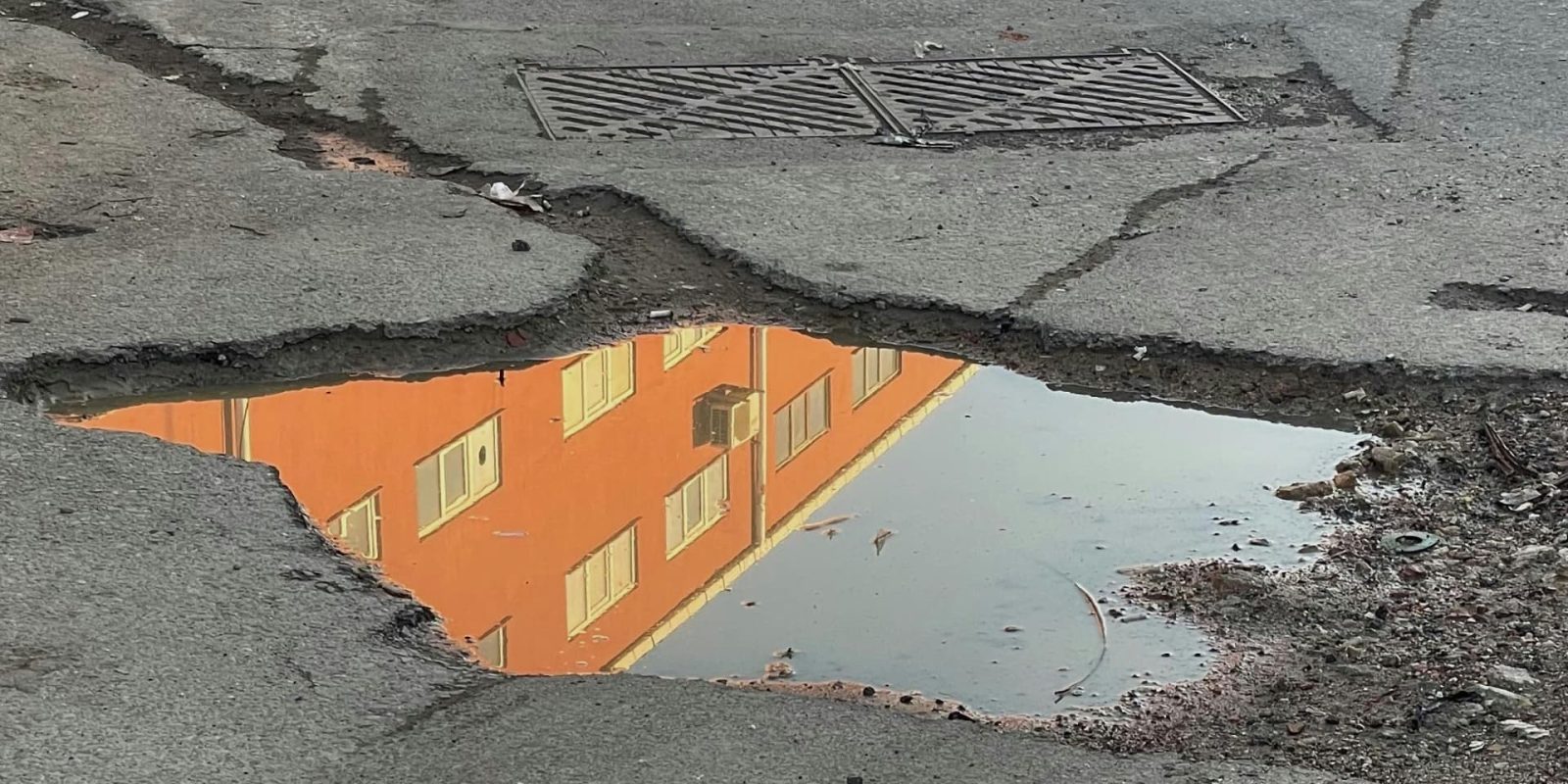
Tesla CEO Elon Musk has once again promised that the company's Full Self-Driving system will soon be able to avoid potholes, with an update posted over the weekend calling the feature "coming soon." That might be reassuring for Tesla owners who regularly deal with damaged roads, if it weren't for the fact that Musk said almost exactly the same thing back in 2019. The repeated promise, followed by years of silence, understandably raises questions about whether this is a genuine breakthrough or just another ambitious timeline from a company known for overpromising.
The feature would allow Tesla vehicles on FSD to detect craters and sharp dips in the road ahead and steer around them without requiring the driver to take over. As part of Tesla's suite of assisted-driving tools, it would make highway and city driving noticeably smoother. But FSD still requires active driver supervision and is not a true autonomous system, so even with pothole avoidance, drivers remain responsible for the vehicle at all times.

For Saudi shoppers, this news matters because Tesla models like the Model 3 and Model Y sit in a competitive segment of premium electric vehicles. Their natural rivals in the Kingdom include the Lucid Air, which is produced locally, as well as offerings from Audi, BMW, and Mercedes-Benz, alongside newer Chinese brands that have entered the market with generous equipment and lower prices. Tesla's appeal has always been its software ecosystem and over-the-air updates, but in this segment, buyers increasingly expect solid build quality and reliable assistance features from day one.
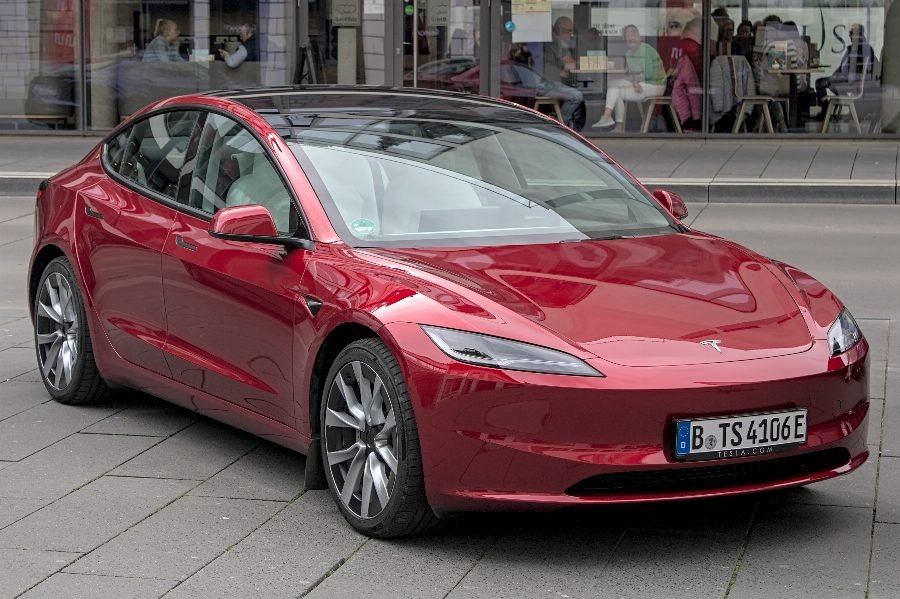
Shoppers should therefore resist making a purchase decision based on future promises like pothole avoidance. Historically, Tesla has delivered many updates after long delays, and some announced features have never appeared in a meaningful form. Instead, buyers should evaluate the current FSD behavior, test the driving assistance on Saudi roads, and confirm what is actually available at the time of purchase. A promised software tweak is not a reason to choose one EV over another, especially when the competition is advancing quickly. As always, patience and a careful look at today's capabilities are far more useful than trusting a "coming soon" that we have already heard once before.



Comments (0)
No comments yet. Be the first to comment.