
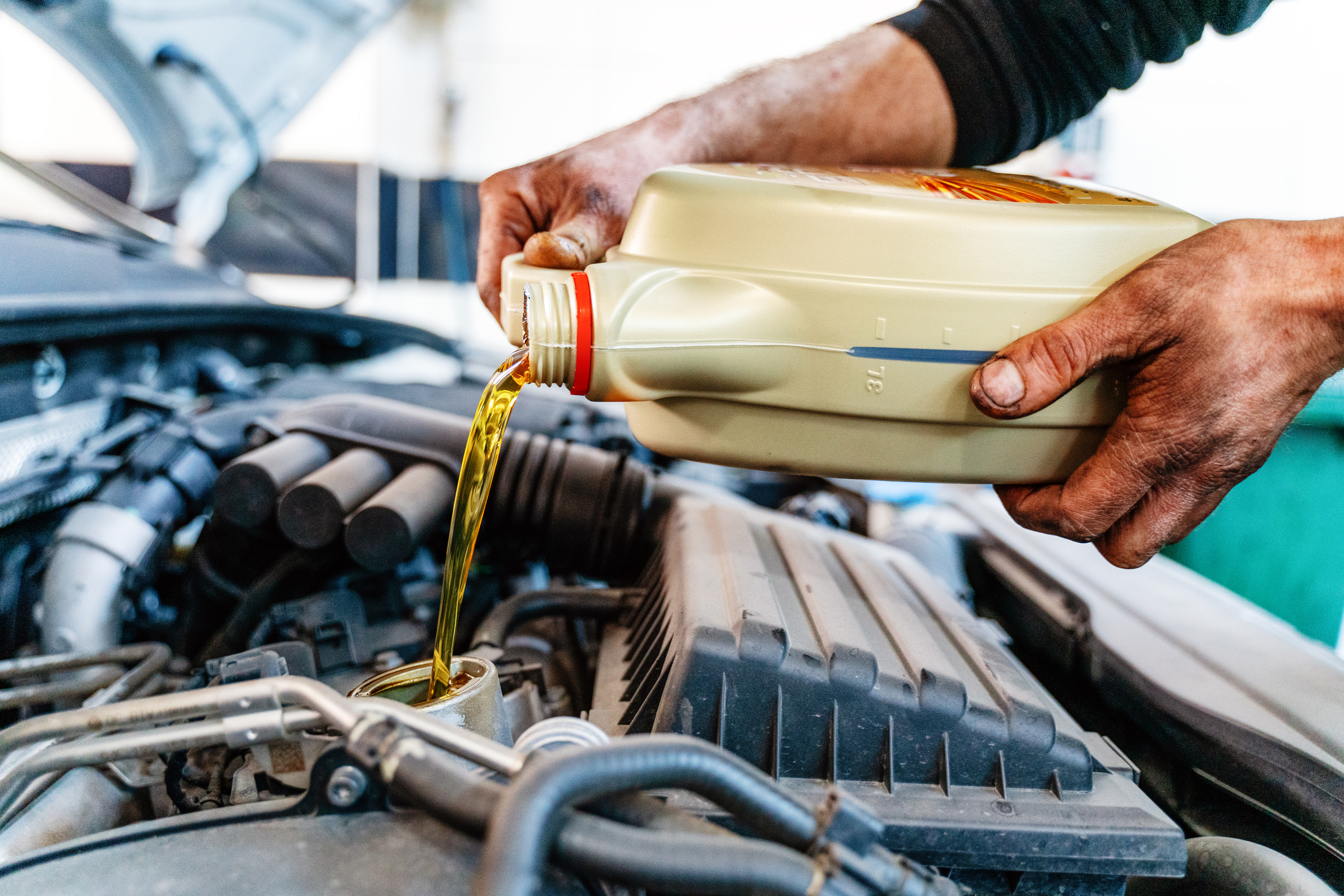
A scientist has pushed motor oil theory to its breaking point, identifying what could be the highest possible viscosity level any engine lubricant could ever achieve. The finding, described as an "absolute cosmic limit," suggests that the physical properties of oil molecules have a ceiling far beyond anything used in current production cars. While this discovery is purely theoretical today, it challenges engineers to rethink how future lubricants might handle extreme heat and pressure.
For Saudi drivers, oil viscosity is a daily concern. The Kingdom's soaring temperatures put immense strain on engine oils, making the right viscosity choice critical for long-term engine life. This scientific limit matters because it sets the outer boundary for future oil formulations that could one day protect engines in even harsher conditions than the Saudi summer. Currently, most passenger cars run on multigrade oils like 5W-30 or 10W-40, which are far from that theoretical ceiling.
In the Saudi market, this finding speaks directly to the segment of high-performance and synthetic engine oils. Major rivals in this segment include Mobil 1, Castrol Edge, Shell Helix Ultra, and Valvoline SynPower. These brands compete on their ability to maintain stable viscosity under




Comments (0)
No comments yet. Be the first to comment.