
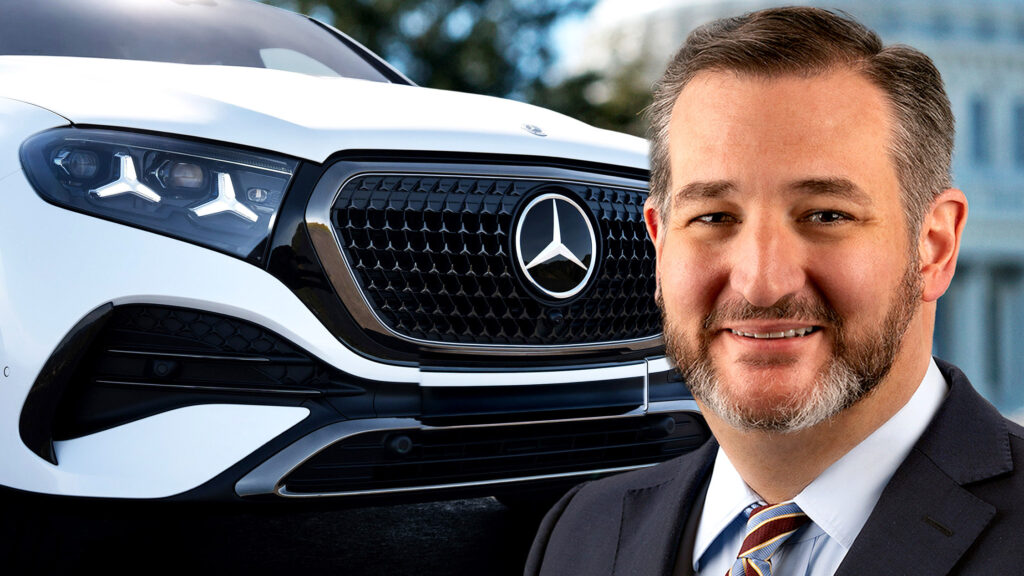
The Senate Commerce Committee has advanced legislation that would block companies with significant Chinese ownership from the U.S. market, putting Mercedes-Benz in a precarious position due to its deep ties in China. However, Senator Ted Cruz has pushed back, publicly stating that such a ban is highly unlikely to pass, signaling a potential political divide over the measure.
For Saudi buyers, this development is worth watching because it may affect global production and pricing strategies. Mercedes-Benz sits at the top of the luxury segment in the Kingdom, competing directly with BMW, Audi, and Lexus. Any disruption in the U.S. market could shift the brand’s focus—or supply—toward other regions, potentially influencing availability or even model configurations in Saudi showrooms.
What should shoppers keep an eye on? The proposed law targets companies with substantial Chinese ownership, including joint ventures, which applies to Mercedes-Benz given its partnerships in China. If the bill gains traction, it could force the German automaker to restructure its U.S. operations, adding uncertainty to its global supply chain. That, in turn, might affect pricing or lead times for models imported to Saudi Arabia, even though local vehicles come from multiple markets.
For now, the ban remains a political talking point. Ted Cruz’s strong opposition suggests the measure faces an uphill battle, and Mercedes-Benz continues to operate normally in the U.S. and globally. Saudi customers should stay informed about regulatory shifts, as the outcome could influence future vehicle specifications, warranty terms, or even the timeliness of new releases. The situation is fluid, but the immediate impact on the Saudi showroom floor is minimal.



Comments (0)
No comments yet. Be the first to comment.