
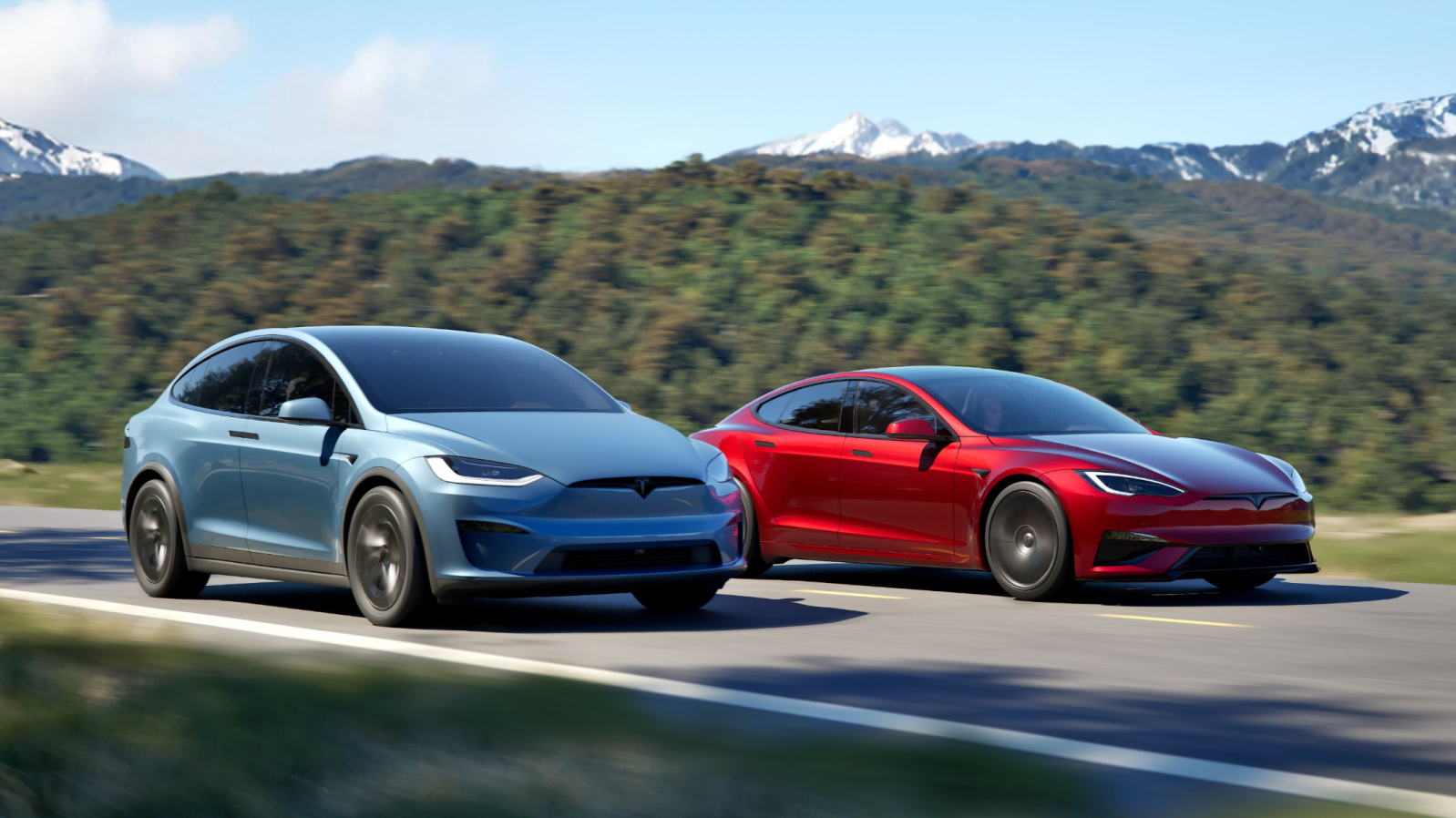
Elon Musk has announced that Tesla intends to “open source” its Model S and Model X vehicles, citing the original Roadster as the blueprint for how it will be done. While the idea sounds promising for the automotive community, Tesla’s prior attempt at releasing the Roadster’s technical data raises serious questions about what “open source” actually means in practice.
The company’s earlier release of Roadster materials was underwhelming. It consisted of just eight files on GitHub along with five document packages locked behind a login page. Crucially, none of those files carried an open-source license, which defeats the entire purpose of an open-source initiative. Without a proper license, third-party developers and manufacturers cannot legally modify, share, or build upon the work. For Saudi buyers, this distinction matters: any future access to Model S or X architecture may be similarly limited.

In the Saudi market, both the Model S and Model X compete in the premium electric vehicle segment. Their direct rivals include the Lucid Air, which is built in the Kingdom, as well as offerings from Mercedes-Benz’s EQ line and BMW’s i series. The Model S is a large luxury sedan, while the Model X is a full-size SUV with falcon-wing doors—both are positioned well above Tesla’s more affordable Model 3 and Model Y.
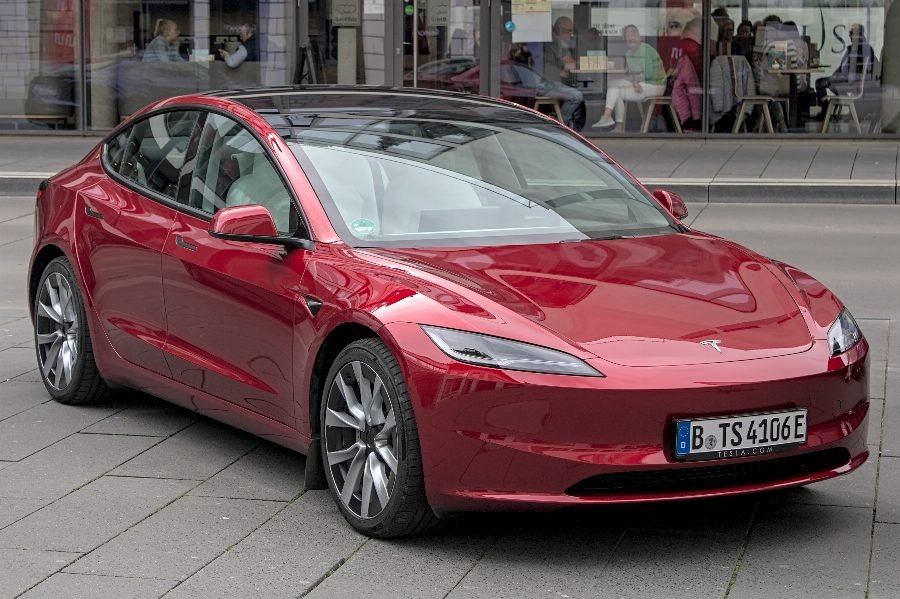
Saudi shoppers considering a Model S or X should watch for what Tesla actually delivers. If the open-source release follows the Roadster pattern, it may provide little more than superficial information. This could be a drawback for local entrepreneurs or service centers hoping to access repair data or develop aftermarket parts. Until Tesla demonstrates a genuine commitment to open licensing, the announcement should be taken with caution. For now, the more compelling argument for these models remains their performance and Supercharger network rather than any promise of open access.

Comments (0)
No comments yet. Be the first to comment.