
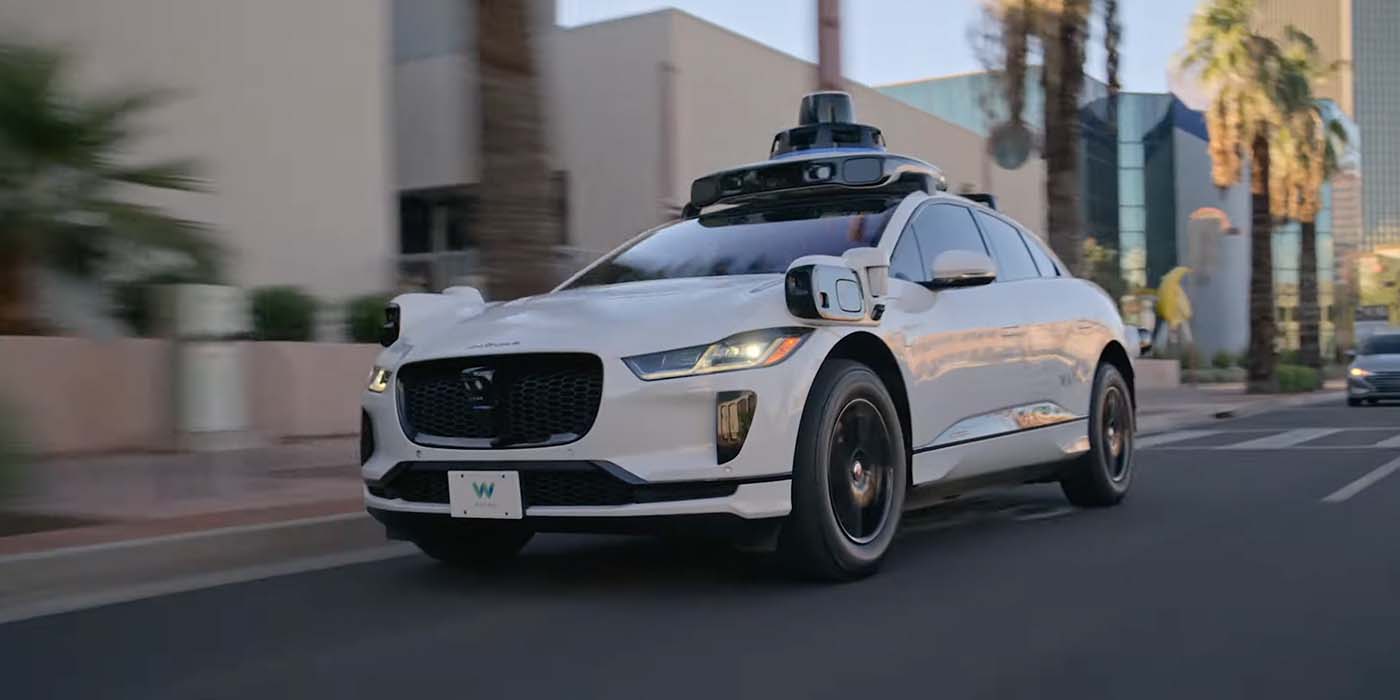
A new study from the Insurance Institute for Highway Safety suggests that Waymo's autonomous electric taxis are significantly safer than human drivers. According to the report, these self-driving vehicles are involved in about 68 percent fewer crashes than the average human-driven car. The accidents that do occur also tend to be less severe. That is roughly equivalent to saying Waymo is two-thirds safer than a person behind the wheel.
However, the results come with important caveats. The data is limited to specific urban areas where Waymo currently operates, such as parts of Phoenix and San Francisco. Those cities have relatively mild weather and well-mapped roads, which may not reflect conditions elsewhere. The study also compares Waymo to the average human driver, not professional or cautious ones. So the figures do not guarantee the same level of safety in every environment.
For Saudi Arabian drivers, the implications are still distant but worth noting. Waymo is not yet available as a purchased vehicle or a ride-hailing service in the Kingdom. Its electric taxis compete in the emerging autonomous mobility segment, which globally includes rivals like Cruise and Tesla’s promised robotaxi network. In Saudi Arabia, the nearest alternatives for on-demand rides remain conventional taxis, Careem, and Uber.
Shoppers in the region should watch for several factors. Autonomous technology must be adapted to Saudi Arabia’s desert climate, intense summer heat, and unique road layouts. The regulatory framework for self-driving cars is still developing locally. Even if Waymo proves safer in the U.S., that does not automatically translate to Saudi roads without extensive local testing. Until then, the IIHS study offers a glimpse of what might come, but not a promise of immediate change.




Comments (0)
No comments yet. Be the first to comment.