
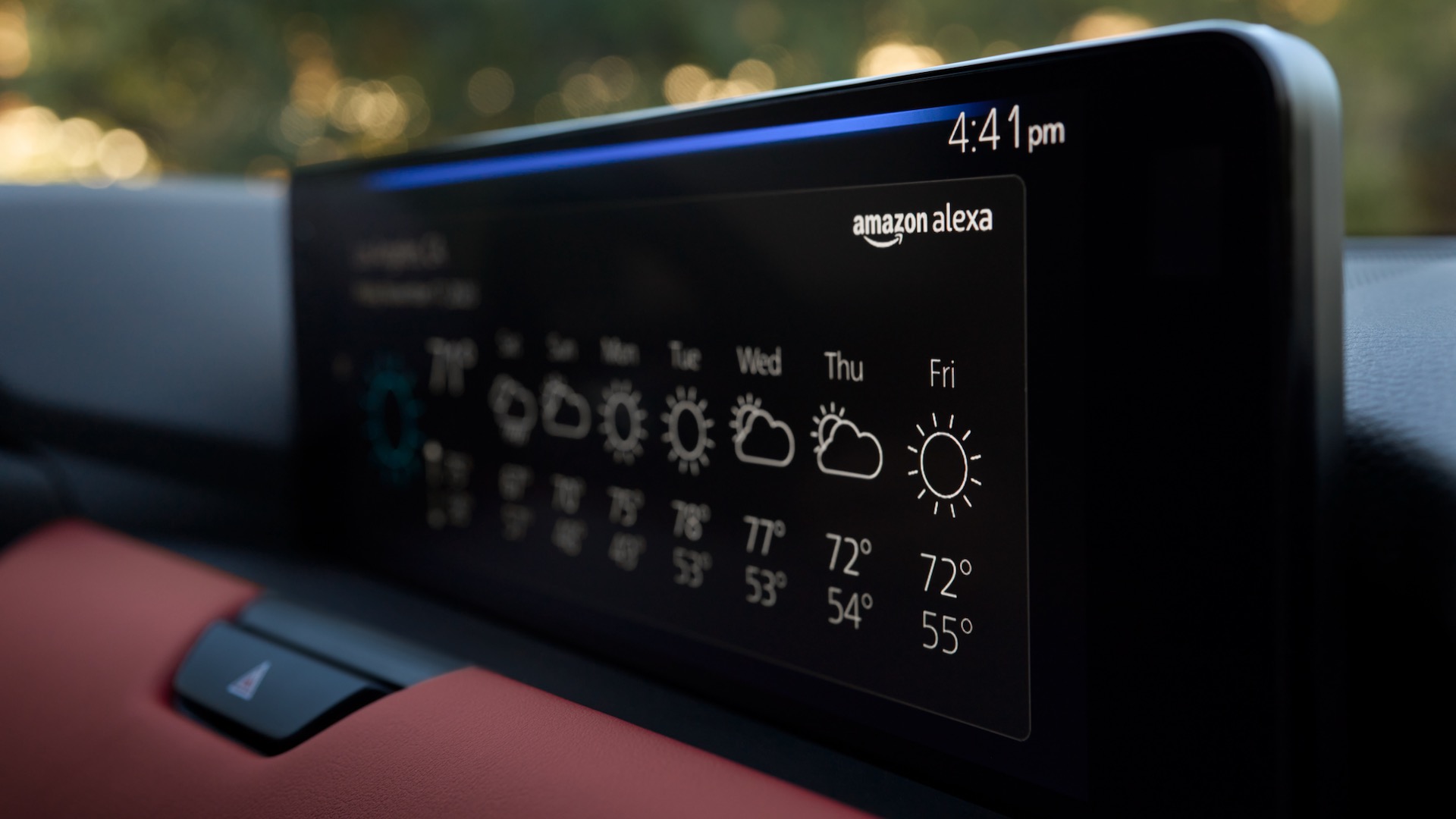
A new objective test has finally given car buyers a clear way to measure just how distracting a vehicle's touchscreen really is. The test measures the time it takes a driver to complete a simple task using the screen, and the results are troubling. According to the study, the average time to perform a basic function using a touchscreen has actually gotten longer compared to a similar test conducted four years ago. In an industry where technology is supposed to improve with each generation, that is a significant step backward.
For Saudi drivers, this is especially relevant. Many new models sold in the Kingdom, from family SUVs to luxury sedans, now rely almost entirely on large touchscreens for everything from adjusting the air conditioning to changing the radio station. Rivals in the segment often include Japanese, Korean, and German brands, all of which are moving toward minimal physical buttons. This test suggests that not all systems are created equal, and some may be pulling a driver's attention away from the road for longer than necessary.
What should shoppers watch for? The key is to look for cars that still offer physical controls for the most common tasks, like volume knobs or dedicated climate buttons. Even a well-designed touchscreen can be slower to use while driving than a simple dial or switch. If you are comparing two similar models, consider spending a few minutes in the driver's seat trying to adjust the temperature or change a radio preset without looking. The one that feels more natural and quicker to operate is likely the safer choice.
This test serves as a reminder that more technology does not always mean better usability. As cars in Saudi Arabia become more advanced, the best choice might be the one that keeps your eyes on the road, not on the screen.


Comments (0)
No comments yet. Be the first to comment.