
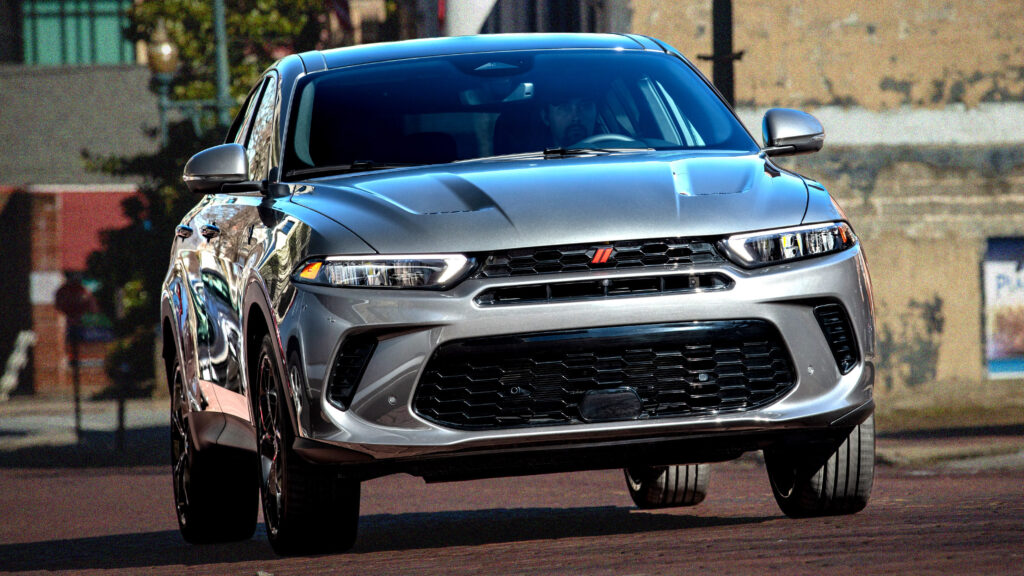
Dodge’s ambitious entry into the compact crossover segment is effectively over, with fewer than 90 examples of the Hornet still available across the country. The model, which was positioned as the brand’s smallest and most affordable SUV, has struggled to find a foothold since its launch. Now, with inventory dwindling to almost nothing, it appears the Hornet’s run is ending far sooner than anticipated.
The core issue behind the Hornet’s premature decline is largely geographical. Built in Italy rather than alongside other Dodge models in North America, the crossover faced significant logistical and cost challenges from the start. This manufacturing distance not only complicated supply chains but also pushed the Hornet’s pricing into a competitive space where it struggled to stand out. For a model that was meant to attract budget-conscious buyers, those added costs proved difficult to overcome.
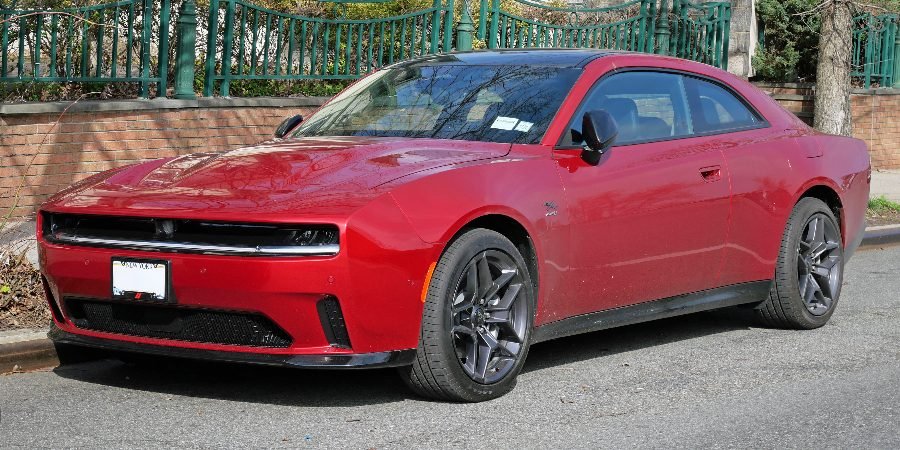
In the Saudi market, the Hornet was positioned against well-established rivals like the Nissan Kicks, Hyundai Kona, and the Chevrolet Trax. These competitors offer similar size and fuel efficiency but at a lower entry price, and they benefit from regional assembly or stronger dealer networks. For Saudi shoppers, the Hornet’s Italian heritage was a novelty, but it did not translate into the value proposition that local buyers typically seek in this segment.

What remains of the Hornet inventory is likely to be sold at discounted prices as dealers clear lots. For those considering a purchase, the main concern is parts availability and service support in the long term. With production ending and the model being phased out, owners may find it harder to source components through official channels. Buyers should check with local dealerships about warranty coverage and the availability of spare parts before committing.
The Hornet’s short life serves as a reminder that even a well-known brand name cannot always overcome fundamental market mismatches. For Dodge, the focus now shifts back to its core lineup of larger SUVs and muscle cars. For Saudi buyers, the lesson is clear: when a model is built far from its intended market, the consequences can be swift and final.



Comments (0)
No comments yet. Be the first to comment.