
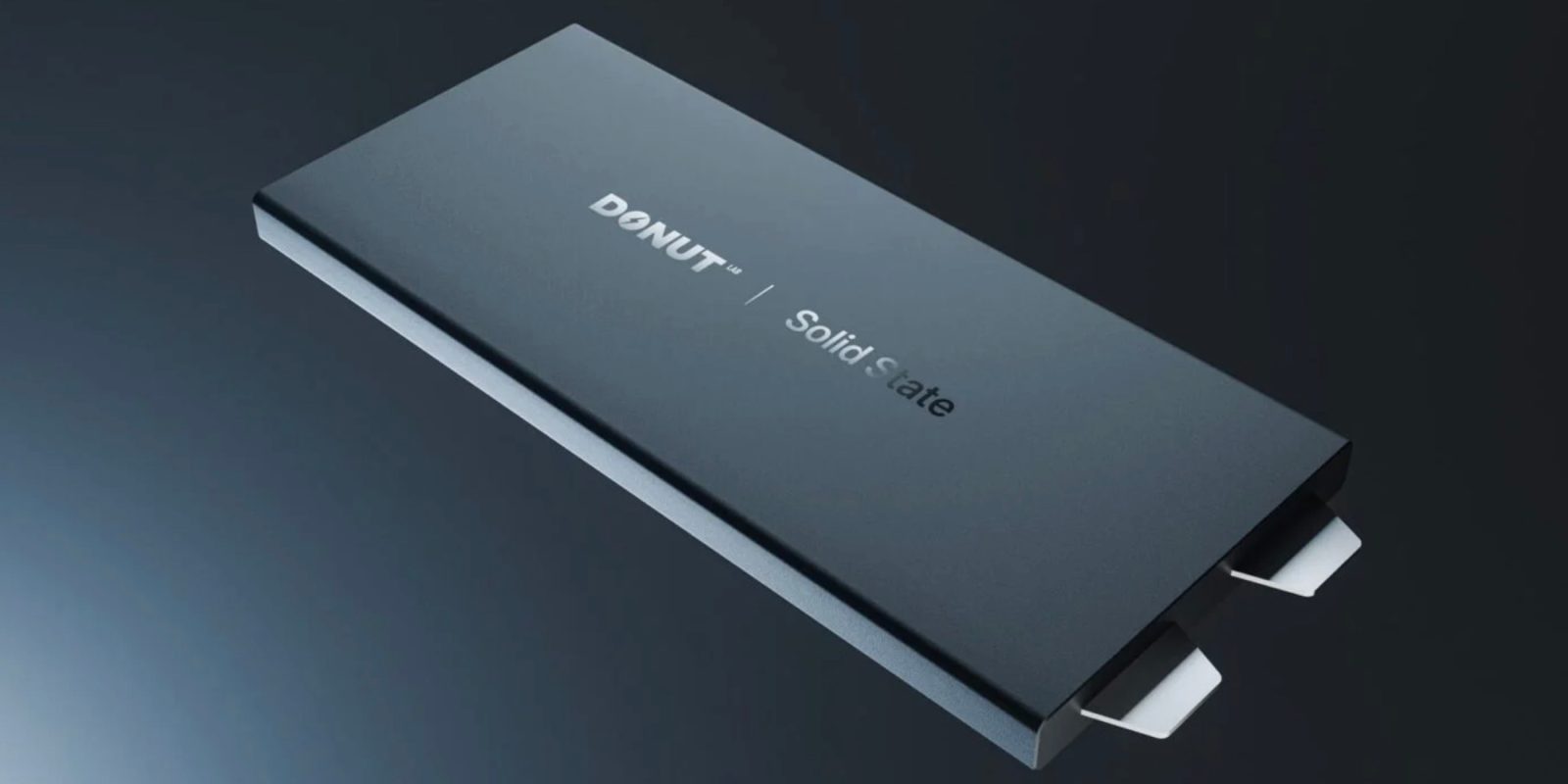
Donut Lab has published an independent laboratory test reporting that its battery cells achieved an energy density of 409 watt-hours per kilogram and 805 watt-hours per litre. It is the first official performance figure the company has put on record after months of being pressed by industry observers. On paper, the number is remarkable. But the announcement lands just as the company’s credibility is at its weakest, and many will treat the result with caution rather than celebration.
That skepticism stems from an earlier commitment that Donut Lab failed to meet. The company had previously raised expectations around a solid-state battery pathway, a promise that has since fallen apart or slipped significantly. So while the new figure is impressive, it arrives from a firm whose word has already been proven questionable. For a technology as safety sensitive as an electric vehicle battery, a single lab result rarely outweighs a track record of delivery.
For Saudi buyers, this matters because battery energy density directly affects the electric cars that will eventually reach showrooms. Higher density cells can mean




Comments (0)
No comments yet. Be the first to comment.