
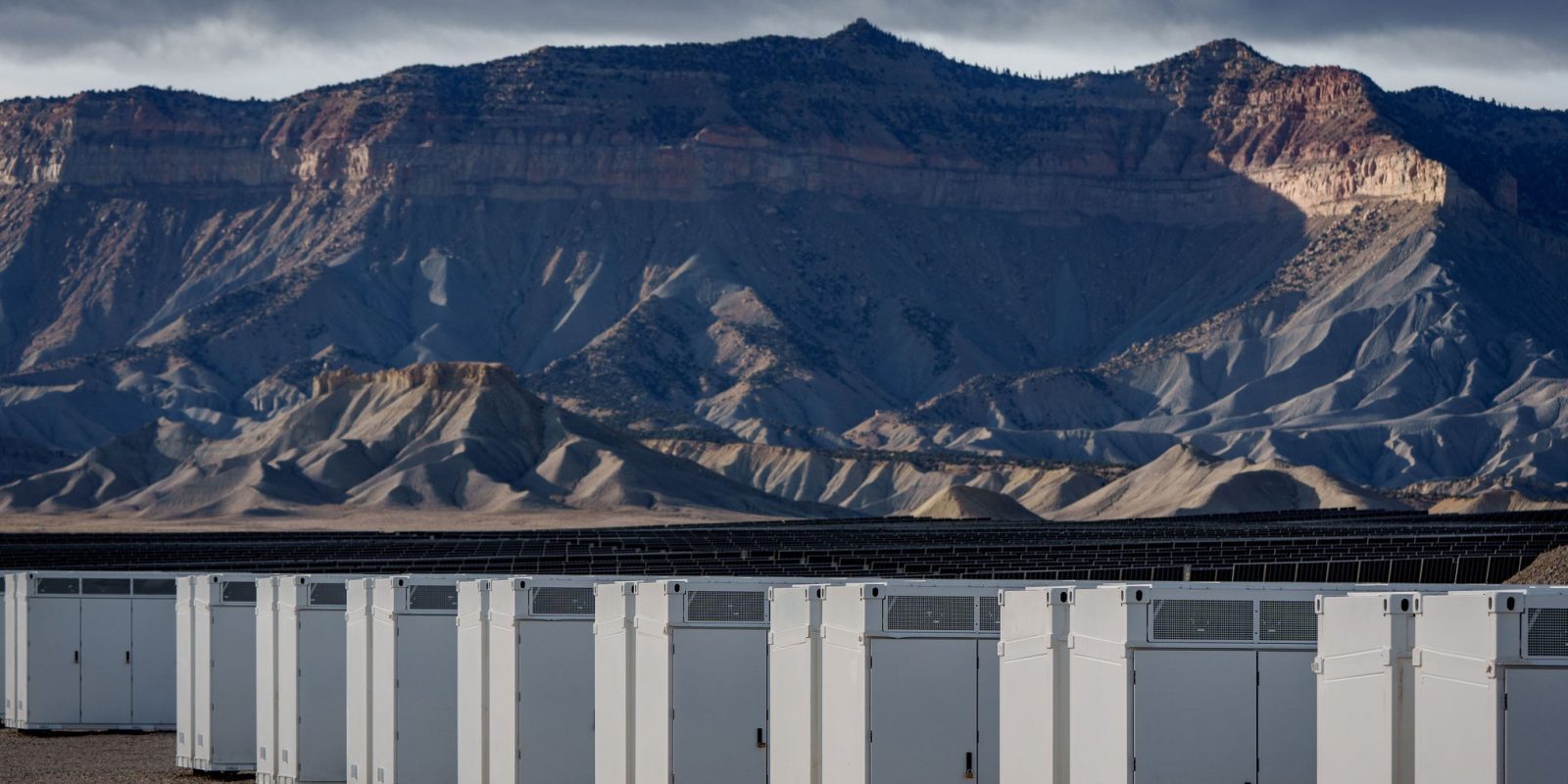
The United States has just added 20.2 gigawatt-hours of grid battery storage in a single quarter, marking the largest three-month build-out the country has ever recorded. This is not just an energy statistic; it is a signal that large-scale electrification is accelerating, with implications for how cars are powered, charged, and supported on the road.
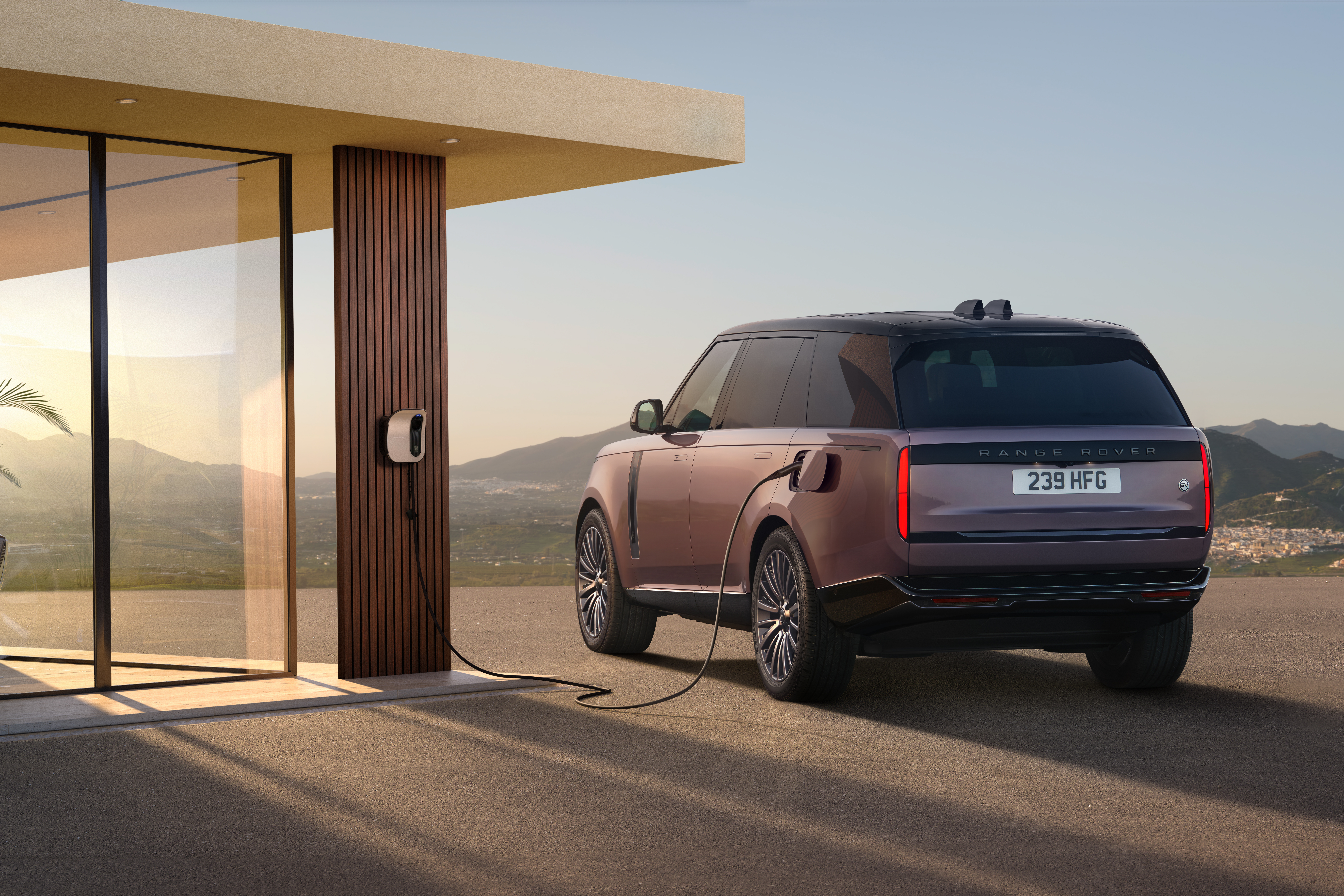
For Saudi buyers, the news matters because battery storage is what makes electric vehicles practical beyond the showroom. The more storage capacity that comes online, the more stable the grid becomes, allowing utilities to handle the surge in demand from EV charging without frequent disruptions. As global markets push for cleaner power, the same battery technology that fills these American storage sites will likely influence the batteries available in new cars across the Gulf.
In the context of the region, battery storage itself is not a car segment, but it underpins it. Saudi Arabia has been preparing for a future mix of electric and hybrid vehicles, and global supply chains for lithium-ion cells are shared between cars and stationary storage. When countries like the US add record capacity, it often means higher production volumes, which can help lower costs for automakers—benefits that could eventually reach dealerships in Riyadh, Jeddah, and Dammam.
For rival models sold locally, the comparison is less about power capacity and more about charging flexibility. Buyers looking at electric SUVs and sedans in Saudi Arabia will already be weighing range and price, but the real differentiator is access to reliable fast charging. A car may promise a long drive, but if the grid behind the charger is weak, the experience changes. The recent US build-out suggests that utility companies elsewhere, including Saudi Arabia, will need to follow suit with robust storage systems to support a growing EV fleet
التعليقات (0)
لا توجد تعليقات بعد. كن أول من يعلّق.