
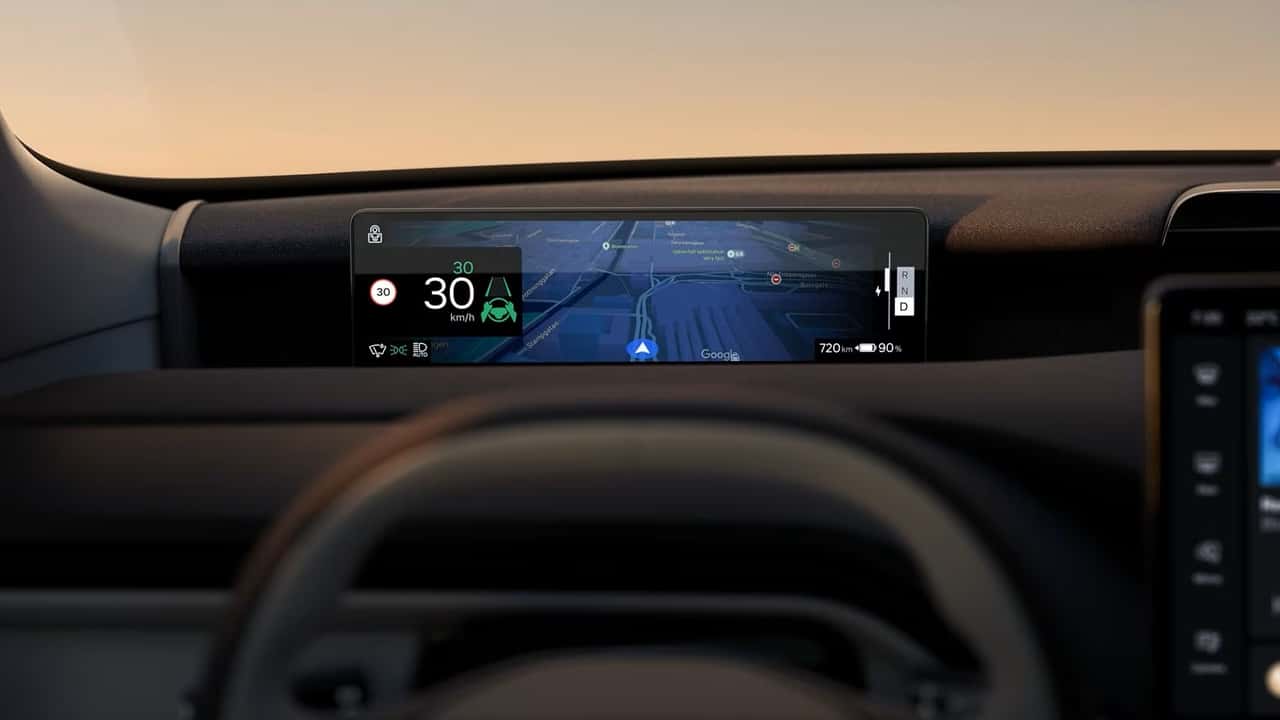
Volvo has turned to Nvidia to power the next generation of automated driving in its cars, saying future models will be able to handle a journey from point to point without the driver's hands on the wheel — and, eventually, without the driver's eyes on the road or mind on the task. The company describes the goal as "eyes-off and mind-off" driving, a step beyond the supervised assistance systems on sale today.
That distinction matters. Most driver-assistance features currently fitted to new cars still expect the person behind the wheel to stay alert and ready to take over at any moment. What Volvo is describing is a car that carries the responsibility itself for a stretch of the trip, which requires far more computing power, more sensors and, crucially, regulatory approval before it can be switched on for customers.

In Saudi Arabia, Volvo sits in the premium part of the market, competing with the German trio of Mercedes-Benz, BMW and Audi, along with Lexus and Genesis, and increasingly with electric-focused brands such as Tesla. Buyers in this bracket often cross-shop on technology as much as on badge, so a credible self-driving promise is a genuine selling point — provided it arrives.
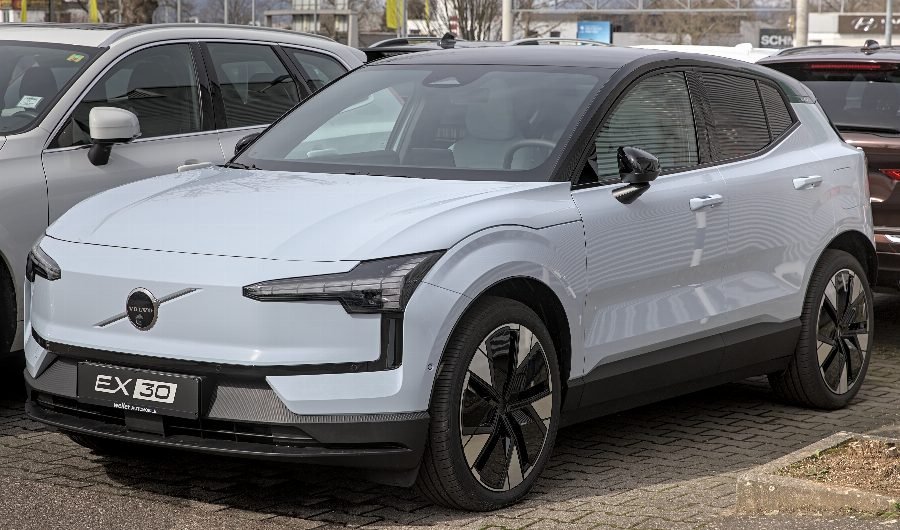
The idea has obvious appeal locally. Long intercity runs between Riyadh, Jeddah and the Eastern Province are exactly the kind of monotonous highway driving that automated systems are designed to handle. But no automaker can simply enable eyes-off driving on its own timetable; it depends on local traffic laws and type approval, and Saudi regulations on highly automated vehicles are still evolving.
For shoppers, the practical

Comments (0)
No comments yet. Be the first to comment.