
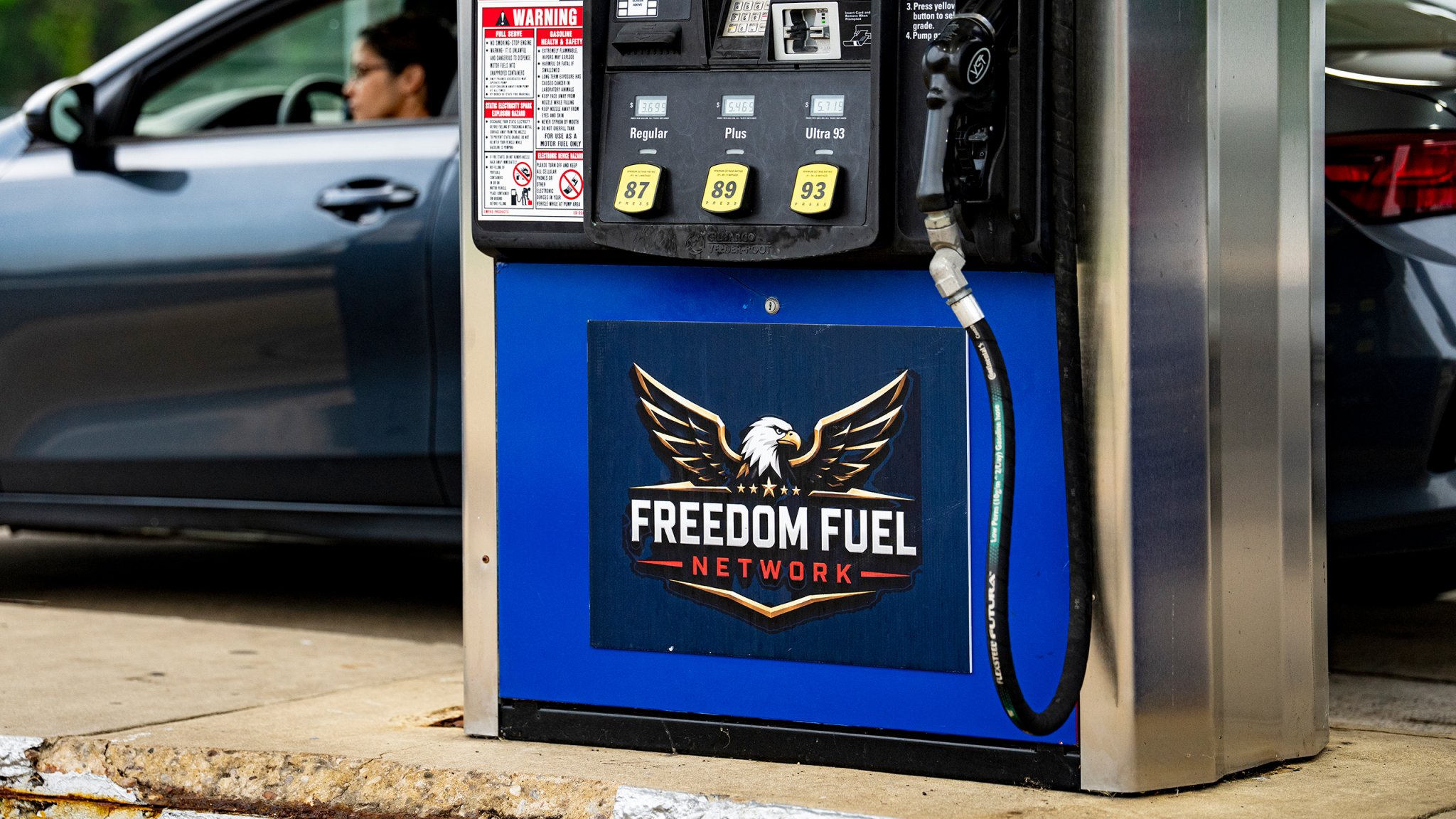
A lawsuit now alleges that the rock-bottom prices at Freedom Fuel Network stations were not the result of clever business practices, but rather of stolen product. The legal claim accuses the network of selling fuel that was diverted from a supplier without proper payment, which would explain why customers were able to fill up for significantly less than the going rate. If the allegations hold up, it turns a story about bargain hunting into a serious case of commercial theft.
The practical lesson here is straightforward: when a fuel price looks too good to be true, there is often something hidden behind the discount. In this case, the lawsuit suggests that the entire business model was built on taking inventory that was never paid for. For everyday drivers, the risk is not just moral — fuel obtained through questionable channels may be mislabeled, contaminated, or subject to sudden supply interruptions if authorities step in.
For Saudi buyers, this story serves as a useful reminder about how the local fuel market is structured. The Kingdom's retail fuel segment is dominated by well-established operators such as Aramco, Aldrees, and Petromin, which operate under strict regulatory oversight and regulated pricing. Independent discount stations have a very limited presence, and those that do exist must still source fuel through official channels. That means the kind of dramatic price undercutting seen in the Freedom Fuel case is unlikely to appear at a legitimate Saudi pump.
If an unlicensed or unofficial station ever did offer fuel far below the official price, it would be competing directly against these major networks — and it would almost certainly be doing so on the margins of the law. Shoppers should treat such deals with extreme caution, as the savings would likely come with hidden costs in terms of fuel quality, legal liability, or even safety.
The best advice for drivers in Saudi Arabia is to stick with certified stations from the known brands. Before filling up at an unknown outlet, check for




Comments (0)
No comments yet. Be the first to comment.