
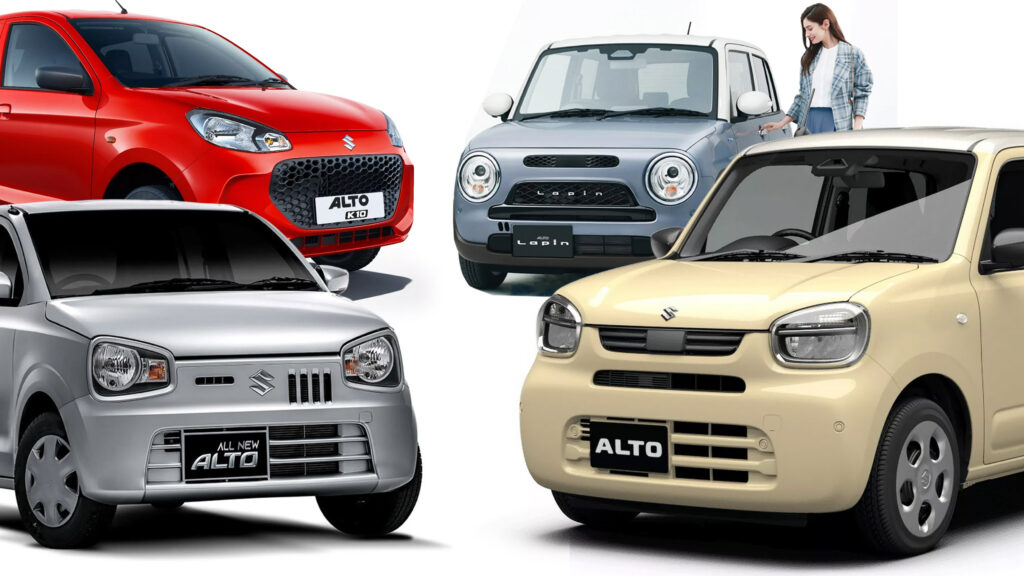
Suzuki's Alto nameplate is far more complicated than it looks. Right now, the automaker is selling five different versions of the Alto simultaneously around the world, ranging from tiny kei hatchbacks in Japan to budget-oriented city cars built for emerging markets. That means the car you see in one market can be radically different from the one sold elsewhere, even though they all wear the same badge.
In Japan, the Alto is a strict kei car, designed to comply with that country's small-vehicle regulations and packed with advanced safety tech. In other regions, the Alto is a no-frills urban dweller focused on low cost and fuel efficiency. The nameplate carries decades of history, but the current global lineup is a fragmented patchwork, with each region getting a model tailored to local tastes and budgets.

For Saudi buyers, this matters more than it might seem. The Suzuki lineup in the Kingdom is built around affordable, practical hatchbacks, and the Alto occupies the entry-level end of that spectrum. Its natural rivals include other budget city cars like the Hyundai i10, Kia Picanto, and Chevrolet Spark. Shoppers browsing these models often assume a single global specification exists, but that is rarely the case.
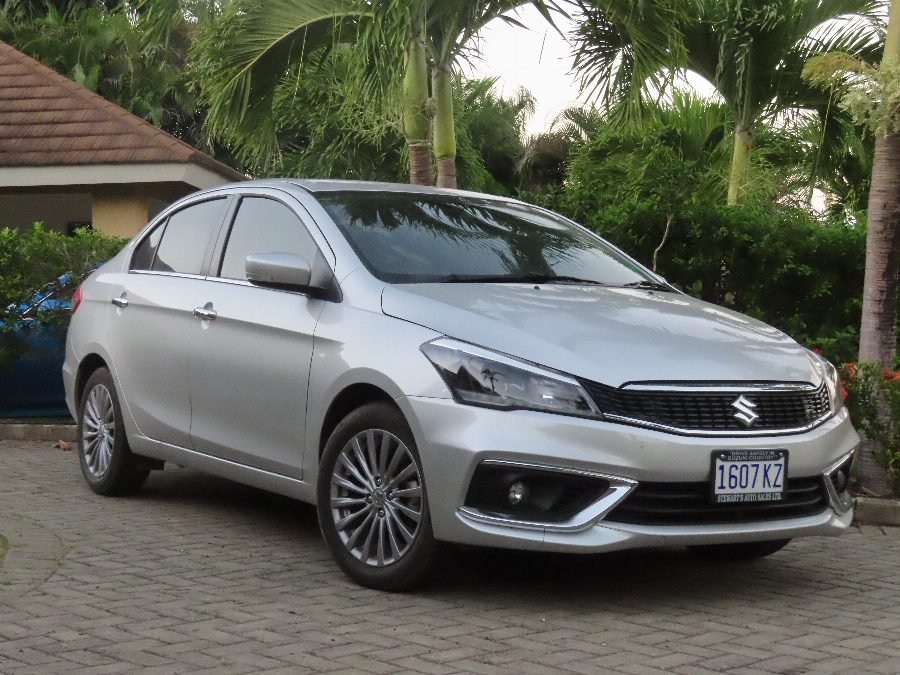
What should buyers watch for? First, confirm exactly which generation and market variant is offered in Saudi showrooms. Safety equipment varies widely between versions, with some markets getting more airbags and driver aids than others. Second, think about long-term ownership: check the availability of spare parts, service network coverage, and resale demand for the specific version sold locally. A cheap city car is only a good deal if support is solid.
The lesson is simple: with the Alto, the badge tells only half the story. Saudi shoppers should look past the name, study the specification sheet carefully, and treat each version as a distinct vehicle. Knowing which Alto you are actually buying is the first step toward making a smart purchase.



Comments (0)
No comments yet. Be the first to comment.