
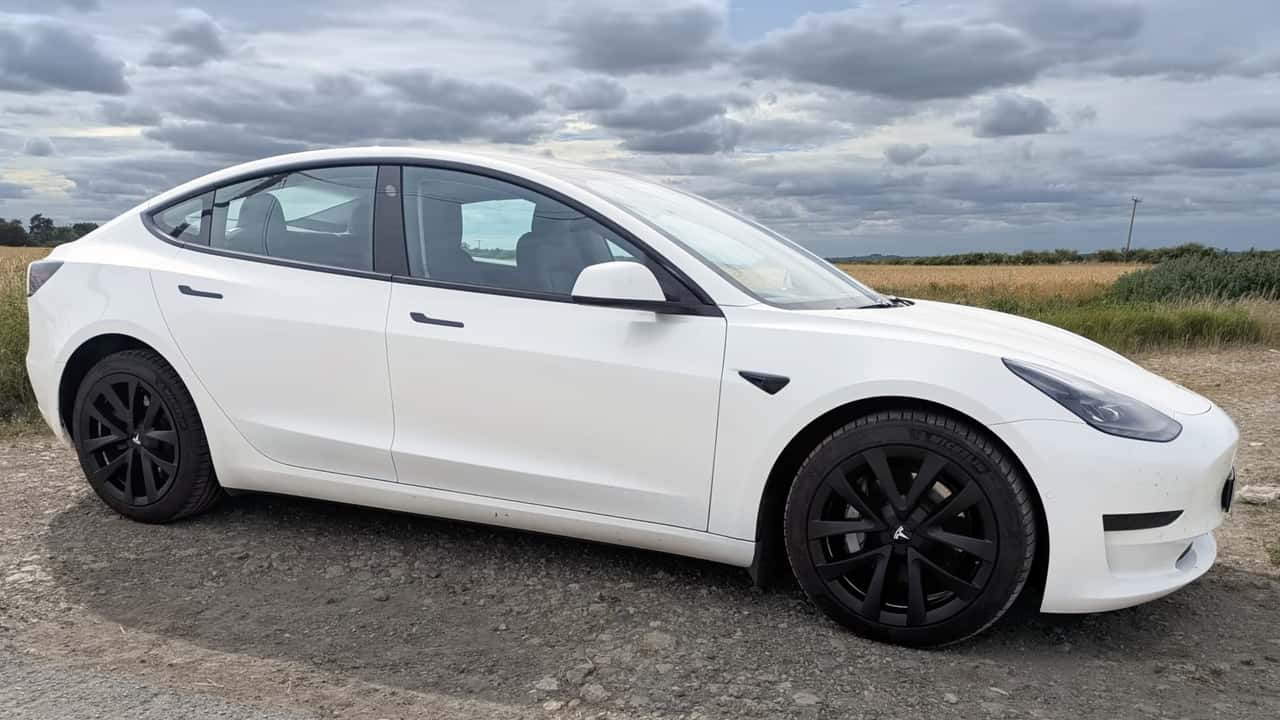
A used Tesla with 78,000 miles on the clock and a completely unknown past has been put to the test, and the result is reassuring—though not stellar. The car’s previous charging habits were a complete mystery, a common concern for anyone buying an electric vehicle second-hand. When the new owner finally ran a battery health check, the unit delivered a score that was healthy without being exceptional, confirming that the battery is still fit for service while falling short of what one might expect from a meticulously maintained example.
The finding is a useful reminder that battery degradation is the single most important factor when buying a pre-owned EV. In this case, the pack has clearly aged, but not to the point where range or drivability would be a serious concern. For buyers, it highlights the value of insisting on a battery test before signing any deal, as the hidden state of the cells can make or break the car’s long-term usefulness.

In the Saudi market, used Teslas occupy a growing niche as more buyers look to avoid the steep depreciation of new EVs. The Model 3 and Model Y, in particular, are popular choices among local motorists who want an established charging network and over-the-air software updates. Yet the segment is no longer exclusive to Tesla, with rivals like the Lucid Air, Hyundai Ioniq 5, and Kia EV6 now competing for the same customer attention, each offering their own take on range and interior tech.
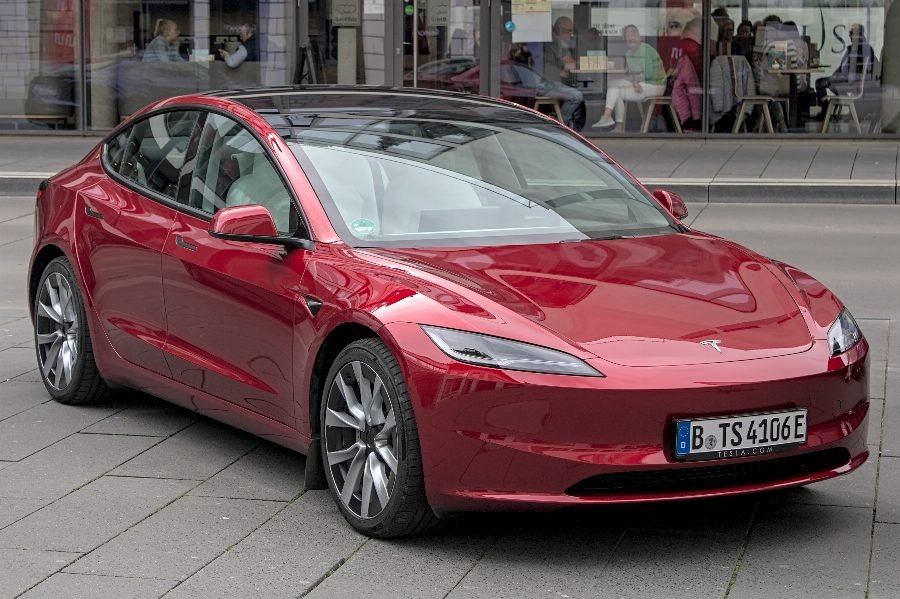
For Saudi shoppers eyeing a used Tesla, the lesson is clear: a routine inspection is not enough. Because charging behaviour leaves no visible trace, a potential buyer should ask for a full diagnostic report or run a real-world range test. Warranty coverage also matters, as out-of-warranty battery repairs can be costly. The mysterious past of this particular car shows that patience and due diligence are the best tools when navigating the used EV market.

Comments (0)
No comments yet. Be the first to comment.