
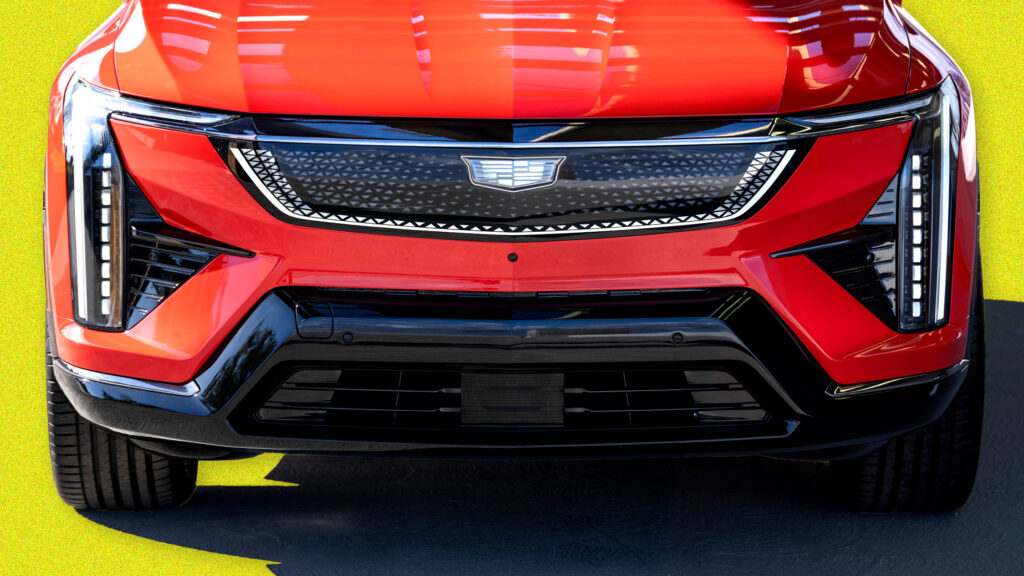
A new report suggests that the second-generation Cadillac Optiq electric SUV could swap its Detroit-designed platform for one developed in Shanghai. If true, this marks a major shift in how General Motors approaches its luxury electric lineup, effectively handing over core engineering to its Chinese operations rather than traditional American development centers.
The Optiq currently sits as a compact electric luxury SUV slotting below the Lyriq in Cadillac’s lineup. In Saudi Arabia, that puts it directly against well-established rivals such as the Tesla Model Y, the BMW iX3, and the upcoming Volvo EX40. Buyers in the Kingdom are increasingly open to electric crossovers, but brand heritage and build quality remain top considerations for luxury shoppers.

What does a Shanghai-developed platform mean for Saudi buyers? On paper, Chinese-built electric platforms often deliver competitive range figures and advanced battery technology at potentially lower production costs. That could translate into a more aggressively priced Optiq compared to current Cadillac EVs. However, it also raises questions about customization for hotter climates like the Gulf region, where thermal management and air conditioning efficiency are crucial.

Shoppers should also watch for shifts in standard equipment. Chinese-developed platforms typically integrate local suppliers for screens and driver-assistance systems, which may differ from the components used in Detroit-built models. This could affect software update schedules and aftersales service compatibility within Saudi Arabia.
For now, the report is unconfirmed, but the trend is clear: global automakers are leaning heavily on Chinese engineering hubs to speed up electrification. Saudi buyers considering the Optiq will want to follow updates carefully, as a platform change could significantly alter the vehicle’s performance, price, and long-term ownership experience compared to its Detroit-derived predecessor.




Comments (0)
No comments yet. Be the first to comment.