
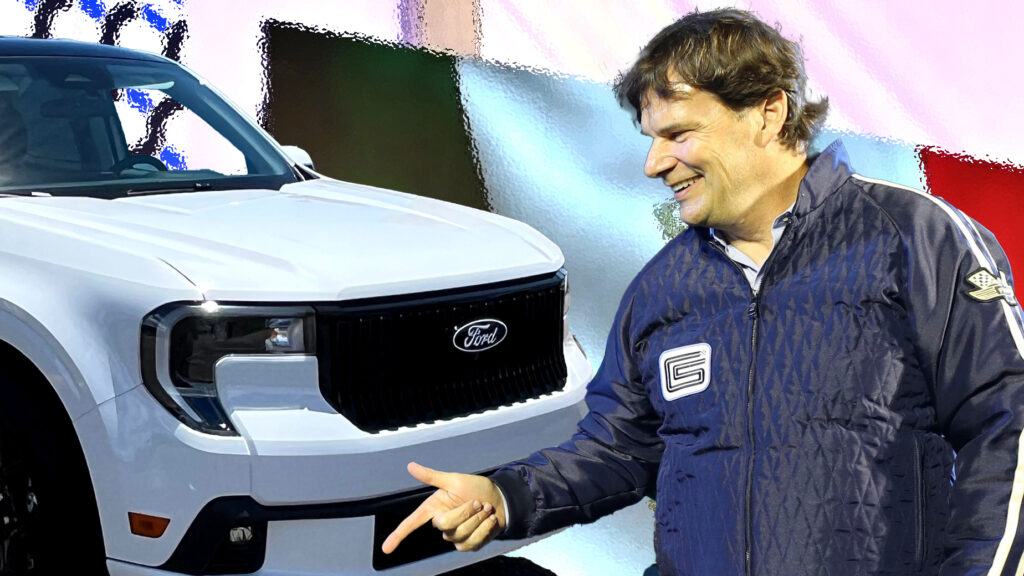
Ford CEO Jim Farley recently made a surprising admission: the factories setting the company's benchmark for quality are not in the United States. Instead, he pointed to Ford's plants in Mexico and China as the current leaders in manufacturing precision. While American facilities continue to improve, Farley's comments highlight a shift in where the automaker's highest standards are being set.
For Saudi buyers, this insight matters because the Ford vehicles sold in the Kingdom come from multiple sources. Models like the Ford Explorer and Ford Mustang are often built in the U.S., while the Ford Ranger and Transit are typically produced in Thailand or other global plants. The Mexico-made Ford models, such as the Ford Bronco Sport and Maverick, now carry a reputation for better assembly quality.

In the Saudi market, Ford competes directly with Japanese rivals like Toyota and Nissan, as well as American competitors such as Chevrolet and GMC. The perception of build quality has always been a key factor for local buyers. Farley's statement suggests that shoppers may want to check the origin of their Ford before purchase, as plant location could affect fit and finish.

What should Saudi buyers watch for? First, note that Ford's long-term quality improvement in American plants is still ongoing. Second, if you prioritize the highest current quality standard, a model from a Mexican or Chinese plant might be the safer bet. That said, Ford's warranty and dealer support in Saudi Arabia remain consistent across all origins, so reliability should still be solid.
Ultimately, Farley's comments are a call for transparency. Ford is acknowledging that its global manufacturing network varies, and that the best-built vehicles may not be made in the U.S. For Saudi consumers, that means looking beyond the badge and considering where your specific car was assembled.
Comments (0)
No comments yet. Be the first to comment.