
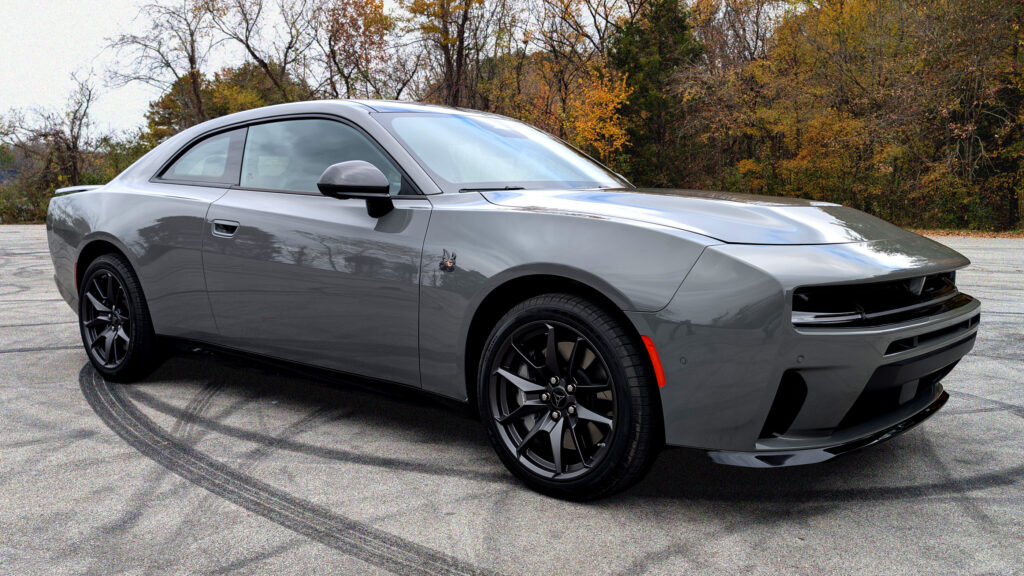
The Dodge Charger has claimed an unfortunate title in the American market: the slowest-selling new car in the United States. According to recent industry data, the iconic muscle sedan now sits with a staggering 385-day supply of inventory, meaning it would take over a year to clear dealer lots at the current sales pace. This glut of unsold units is a stark reversal for a model that once defined American performance motoring.
For Saudi buyers considering a Charger, this backlog in the U.S. market is more than just a distant statistic. When American supply chains are choked with slow-moving inventory, manufacturers often adjust global production and pricing strategies. Here in the Kingdom, the Charger competes in a crowded full-size sedan segment against rivals like the Toyota Camry, Hyundai Sonata, and the Chevrolet Malibu. While the Charger offers distinct muscle-car character and rear-wheel-drive dynamics, its aging platform and fuel-thirsty V8 engines are becoming harder to justify against more modern, fuel-efficient competitors.
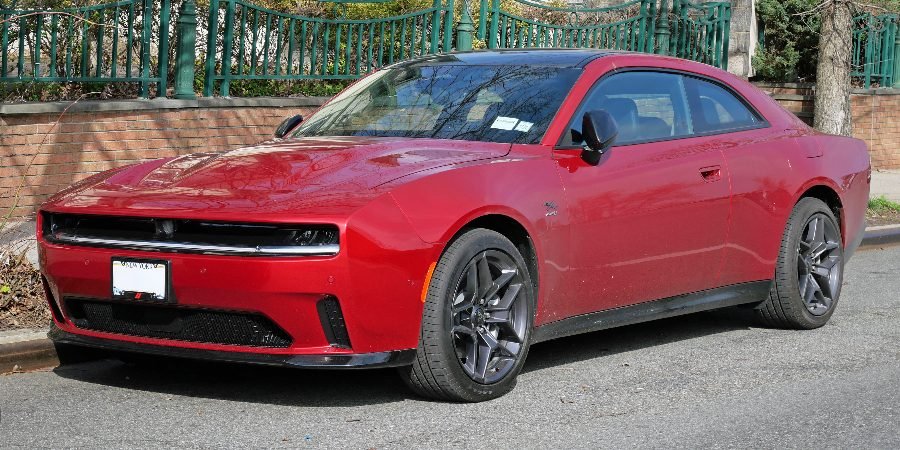
Shoppers in Saudi Arabia should keep a close eye on dealer incentives. In the U.S., the oversupply is giving buyers real leverage on price, and similar pressure could reach local showrooms. Dealers may be more willing to negotiate on Charger models, particularly outgoing trims as the brand transitions toward electrification. However, the model’s slow sales also raise questions about long-term parts availability and resale value compared to segment leaders.
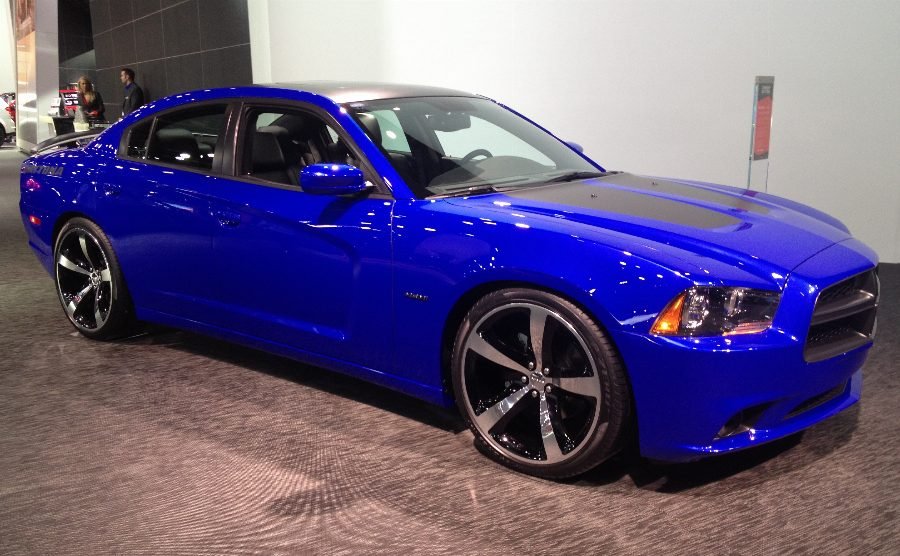
For those who prioritize raw V8 power and American styling, the Charger remains a compelling choice, especially if a good deal can be struck. But with the market shifting rapidly toward hybrids and EVs, and with the Charger’s replacement still on the horizon, buyers should weigh the potential for steep discounts against the risk of owning a model that may soon feel dated. As always, test driving against key rivals in the Saudi market is essential before making a decision.


Comments (0)
No comments yet. Be the first to comment.