

Tesla has once again dodged a clear answer on whether it will upgrade older Hardware 3 vehicles to run the latest Full Self-Driving software. During the company’s second-quarter 2026 earnings call, Elon Musk was directly asked about the promised upgrade for HW3 owners. Instead of offering a concrete timeline or technical path, he deflected, making it evident that no real plan is in place. This leaves thousands of owners who paid for FSD in limbo.
For Saudi buyers, the matter is particularly relevant. Hardware 3 underpins many pre-2024 Tesla Model 3 and Model Y units sold in the Kingdom, as well as earlier Model S and X imports. These cars were marketed with the promise that their self-driving capability would improve over time through over-the-air updates. Now it appears that promise may be broken, as the hardware may not be powerful enough to run the more advanced neural networks required for unsupervised FSD.

In the Saudi electric vehicle market, Tesla faces growing competition from the Lucid Air, which offers its own advanced driver-assistance system, and from traditional luxury brands like BMW and Mercedes-Benz, whose EVs come with robust adaptive cruise and lane-keeping features. While none of these rivals claim full self-driving, they do deliver consistent, hardware-validated assistance without the uncertainty of future upgrades.
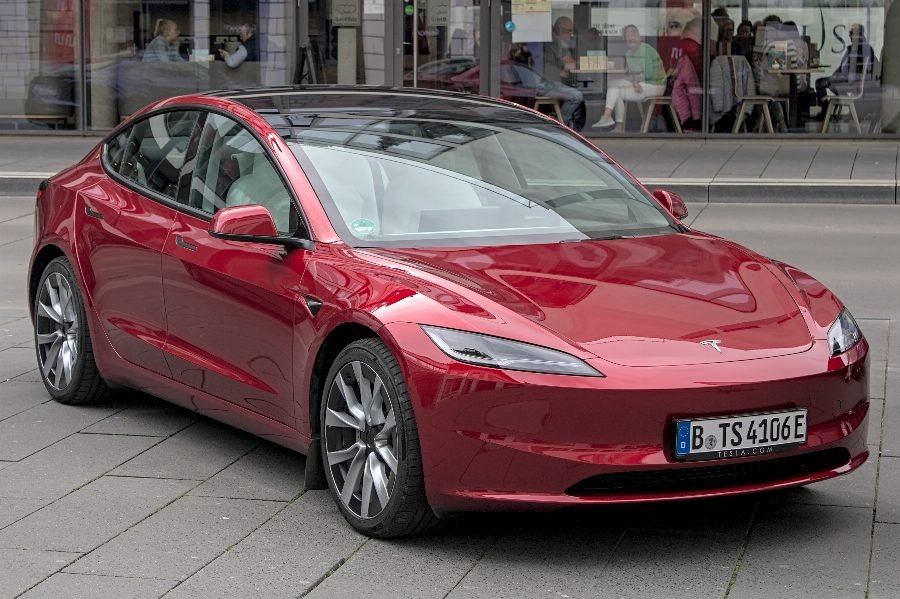
Shoppers considering a used Tesla with Hardware 3 should be cautious. The car’s value may be affected if the promised FSD capability never materializes. Meanwhile, those already owning such a vehicle face a difficult choice: either accept that the feature they paid for may be permanently limited, or look into potential hardware retrofits that Tesla has yet to confirm or price. As of now, the only certainty is uncertainty.


Comments (0)
No comments yet. Be the first to comment.