
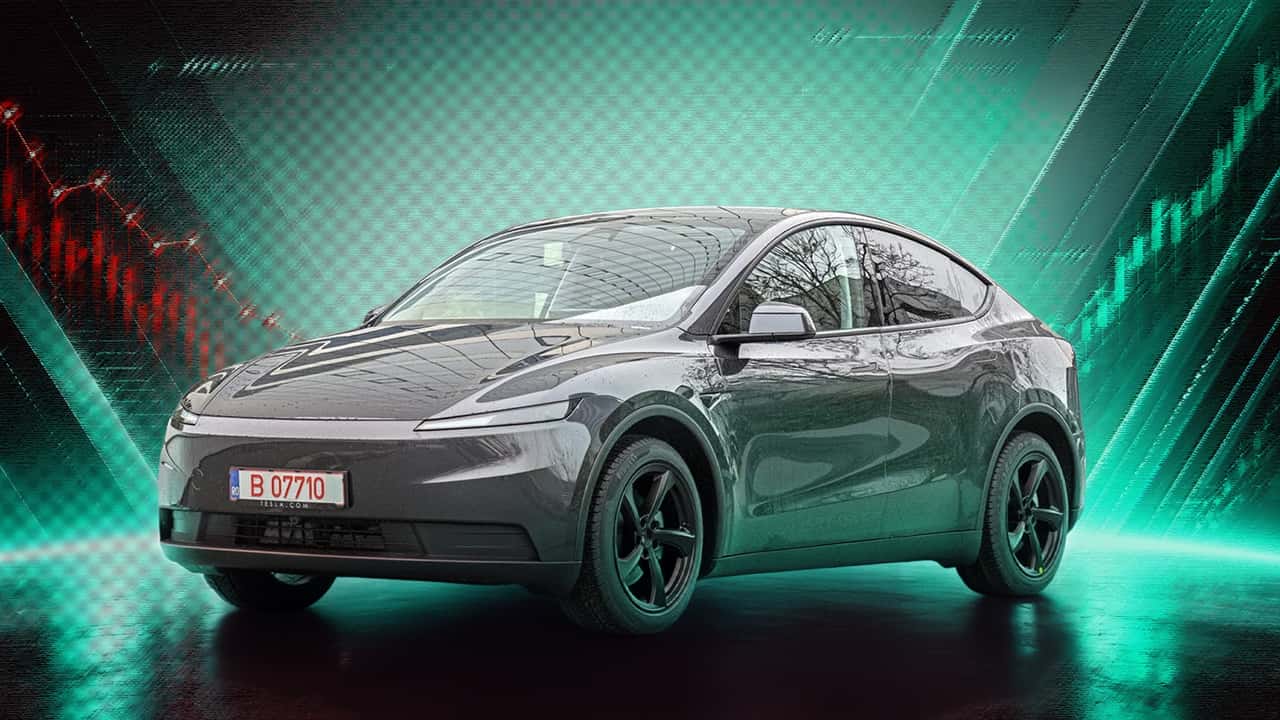
Tesla delivered a record number of vehicles in the second quarter, selling roughly 25% more cars than it did a year ago. Despite that surge in deliveries and an all-time high revenue figure, the company’s operating profit fell sharply. The drop was driven by lower margins on each car sold, as Tesla continued to cut prices to maintain demand, along with heavy spending on artificial intelligence and robotics projects.
For Saudi buyers, this tells an important story about the market leader’s current strategy. Tesla’s most relevant models here remain the Model 3 and Model Y, which compete in the midsize sedan and compact SUV segments. Those are among the most contested categories in the Kingdom’s growing electric-vehicle market. Rivals such as the Lucid Air, the BYD Seal, and the upcoming Zeekr 001 are all vying for the same customers, often with more generous warranties or lower starting prices.

What should Saudi shoppers watch for? First, price adjustments. If Tesla’s margins keep shrinking while competition heats up, further price cuts are possible, which could make ownership more affordable but also signal aggressive discounting that might affect resale value. Second, the heavy investment in AI and robotics may eventually improve Tesla’s Autopilot and Full Self-Driving features, but those costs are already straining profitability now. For buyers in Saudi Arabia, where autonomous driving regulations are still evolving, this tech push may not deliver immediate benefits.
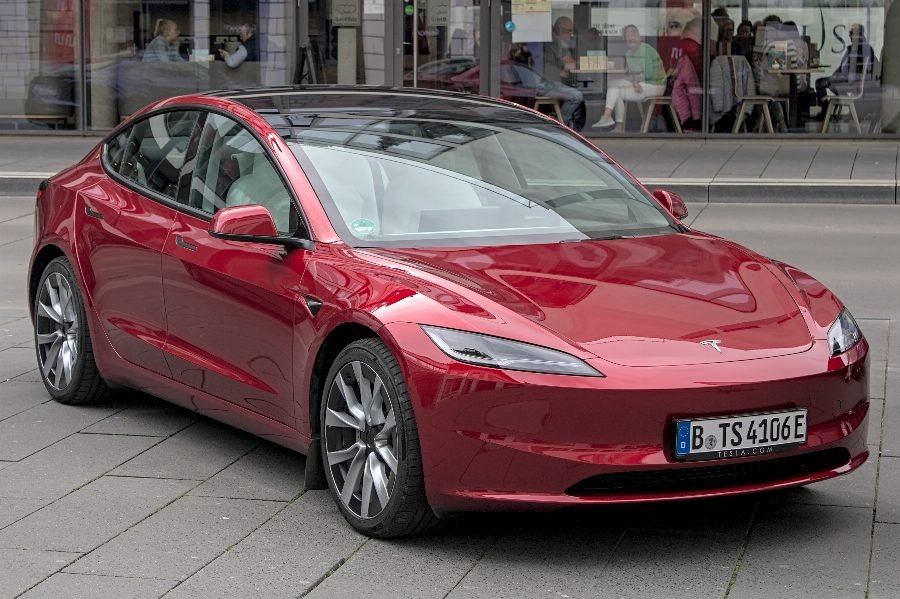
Another factor is service network. As Tesla sells more cars but earns less per vehicle, its ability to expand service centers and parts availability in Saudi Arabia could be affected. Local rivals like Lucid have government backing and are actively building service infrastructure, which might give them an advantage in customer support. For now, Tesla remains the volume leader, but its profit drop shows that even the biggest name in EVs has to balance growth with financial health.
Comments (0)
No comments yet. Be the first to comment.