
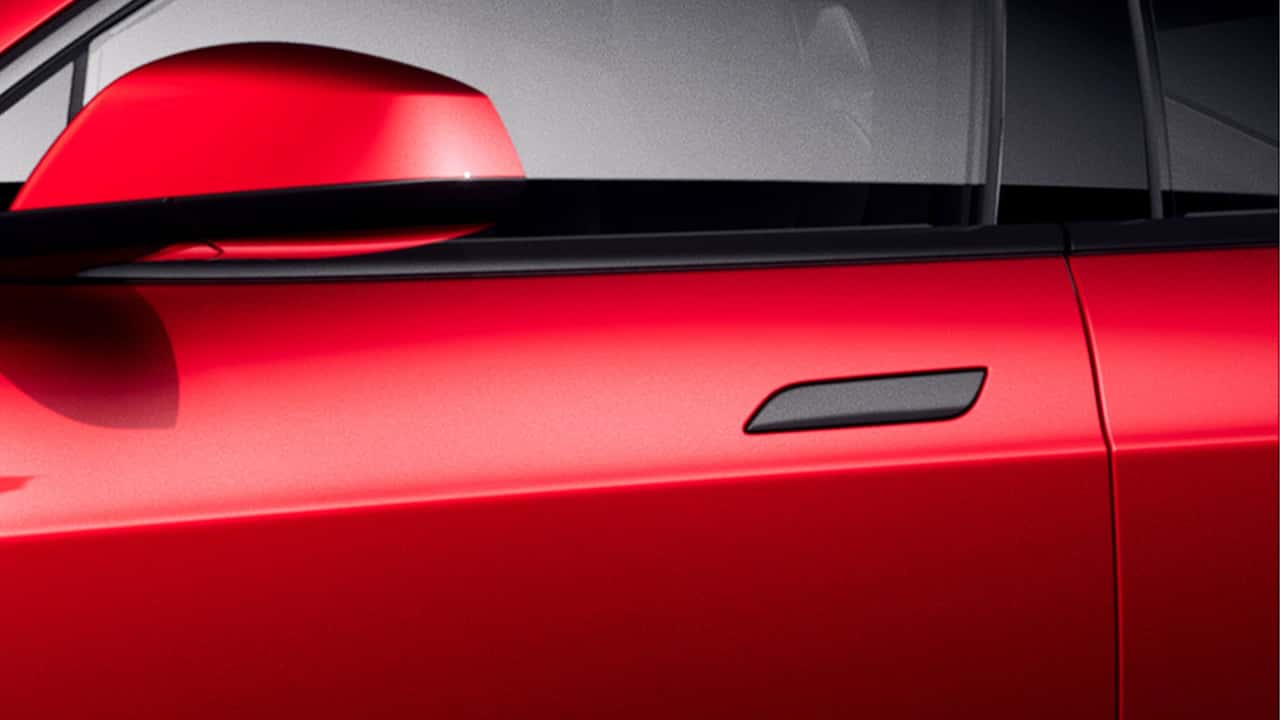
The U.S. National Highway Traffic Safety Administration has announced it will begin drafting new regulations governing interior door releases in all vehicles, a move widely seen as a response to Tesla’s controversial hidden door handles. Tesla’s flush, electronic-opening handles have drawn criticism for making it difficult for occupants to exit the car quickly in an emergency, especially when power is lost. The proposed rules would require a mechanical override that works even when the battery is dead, raising the possibility that Tesla and other automakers may need to redesign their door systems.
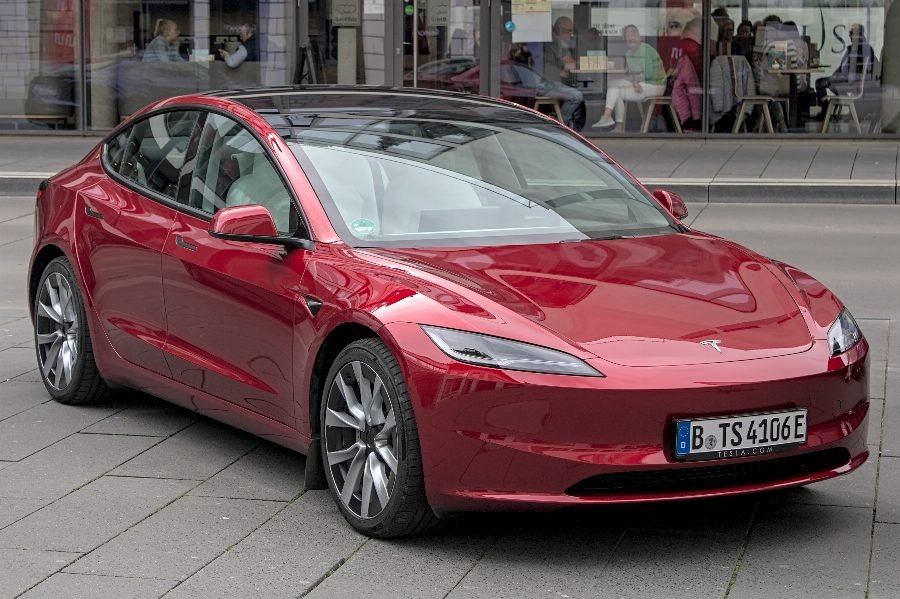
For Saudi buyers, this development is significant because Tesla has a growing footprint in the Kingdom. The Model 3 and Model Y are the brand’s best-sellers, competing in the midsize sedan and compact crossover segments respectively. In Saudi Arabia, the Model 3 goes up against established luxury sedans like the BMW 3 Series and Audi A4, while the Model Y’s rivals include the BMW X3, Audi Q5, and the Lexus NX. Unlike Tesla, these competitors all use conventional mechanical door handles and releases, which already comply with emergency exit expectations.

Saudi shoppers considering a Tesla should keep an eye on how these potential rules evolve. If regulators mandate a simple, fail-safe mechanical latch, Tesla may be forced to retrofit or update its current flush-handle design. While the aesthetic appeal of the hidden handles is undeniable, buyers should weigh this against the reassurance of a traditional door release, especially in a region where extreme heat and road conditions can stress battery systems. Until the new rules take effect, it is worth testing the emergency exit procedure on any Tesla you consider—because in a pinch, getting out quickly matters more than curb appeal.


Comments (0)
No comments yet. Be the first to comment.