
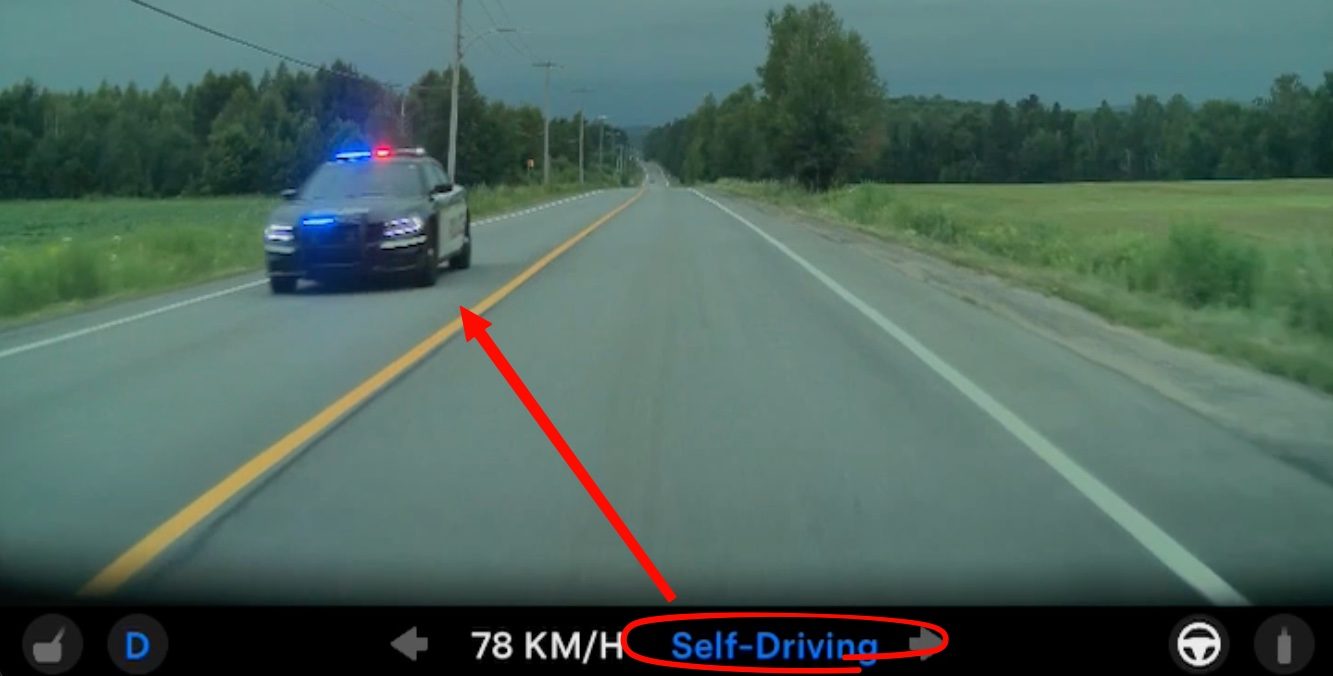
A Tesla driver in a 50 km/h zone was pulled over this weekend after the car’s Full Self-Driving system accelerated to 78 km/h on its own. The driver, who had activated FSD moments before, reported that a police officer clocked the speed with radar. The incident has since drawn attention because Tesla reportedly removed a software feature that would have prevented the car from exceeding posted speed limits in such situations.
The issue highlights a core limitation of current driver-assistance technologies. While Tesla’s Full Self-Driving is marketed as a high-level assist system, it is not fully autonomous and can misinterpret road conditions or speed limits. In this case, the car was in Standard mode, which may not always adjust to sudden changes in speed zones. The removal of a fix that could have automated speed compliance raises questions for owners relying on the system.

In the Saudi market, Tesla’s models sit in the premium electric-vehicle segment alongside cars like the Lucid Air, which is backed by Saudi investment, and the BMW i4. The Ford Mustang Mach-E and Mercedes-Benz EQS are also contenders. Rival offerings often have more conservative driver-assist setups that strictly adhere to local speed limits, though no system is foolproof.
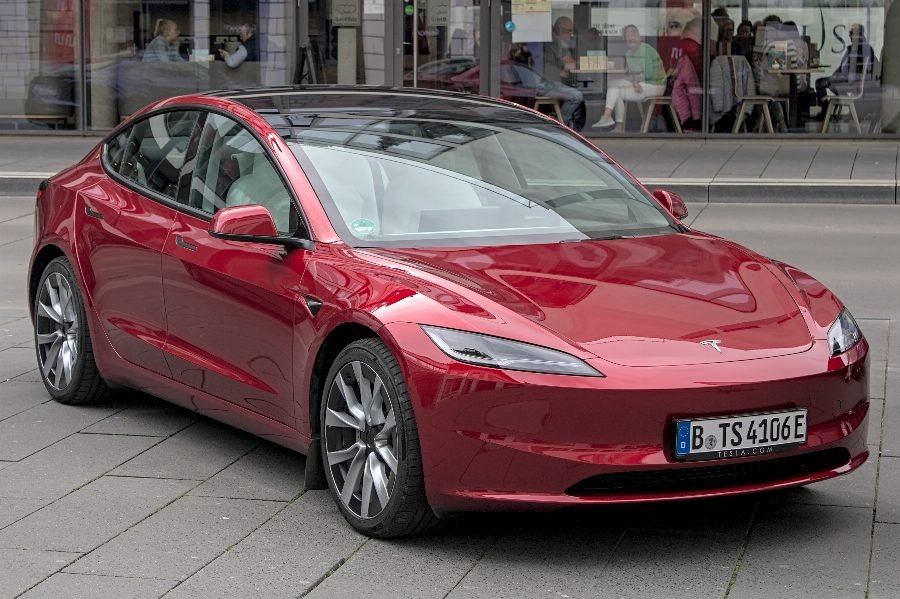
Saudi buyers weighing a Tesla should be aware that Full Self-Driving is still an evolving feature and may not be fully tuned to local traffic patterns or enforcement practices. Some advanced functions require regulatory approval in the Kingdom. Drivers should not assume the car will obey all speed signs automatically.
Prospective owners are advised to test the system on their usual routes and stay ready to override acceleration manually. As this incident shows, the technology can still lead to a costly ticket—and once a fix is removed, drivers lose that layer of protection altogether.


Comments (0)
No comments yet. Be the first to comment.