
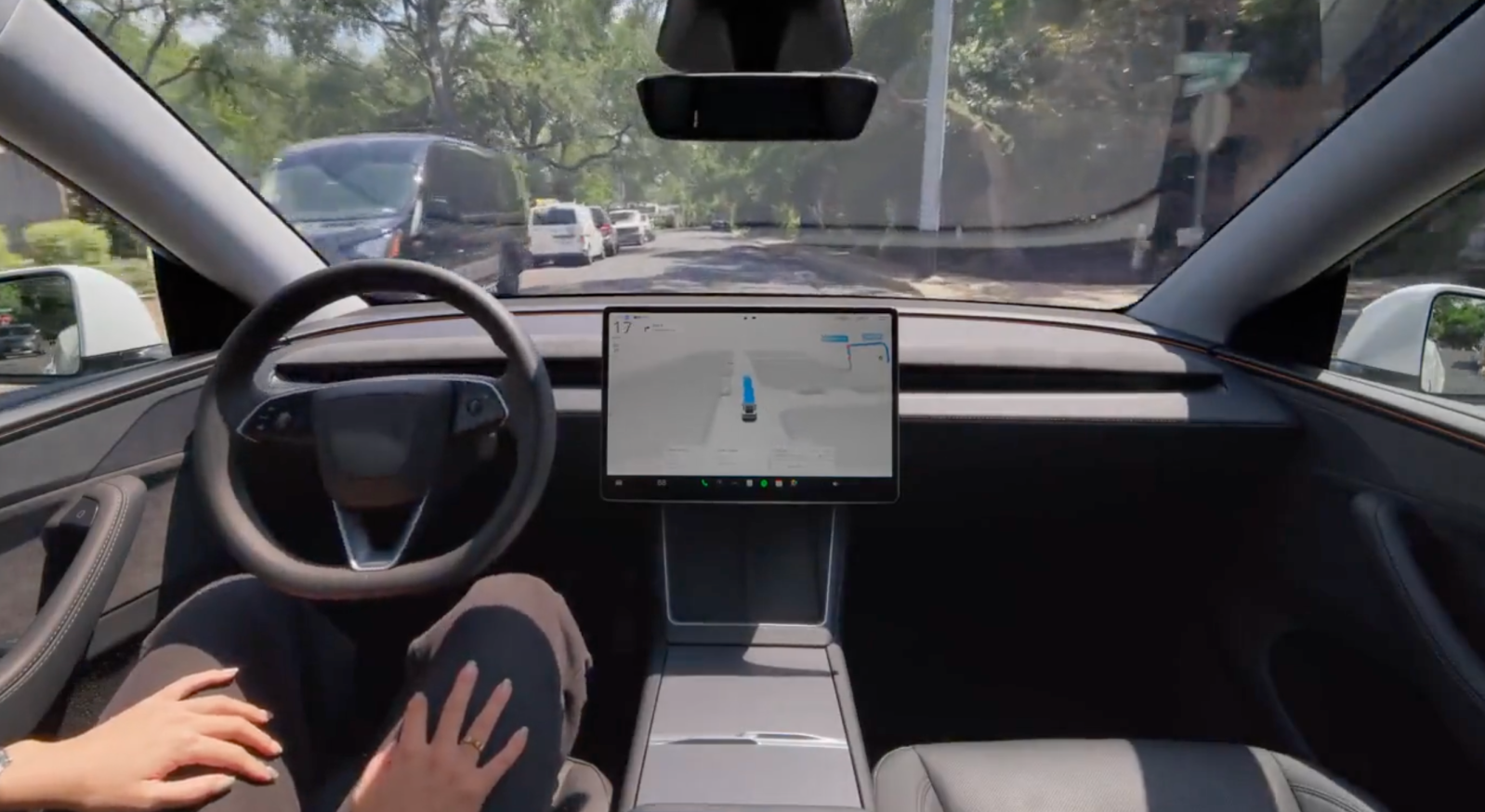
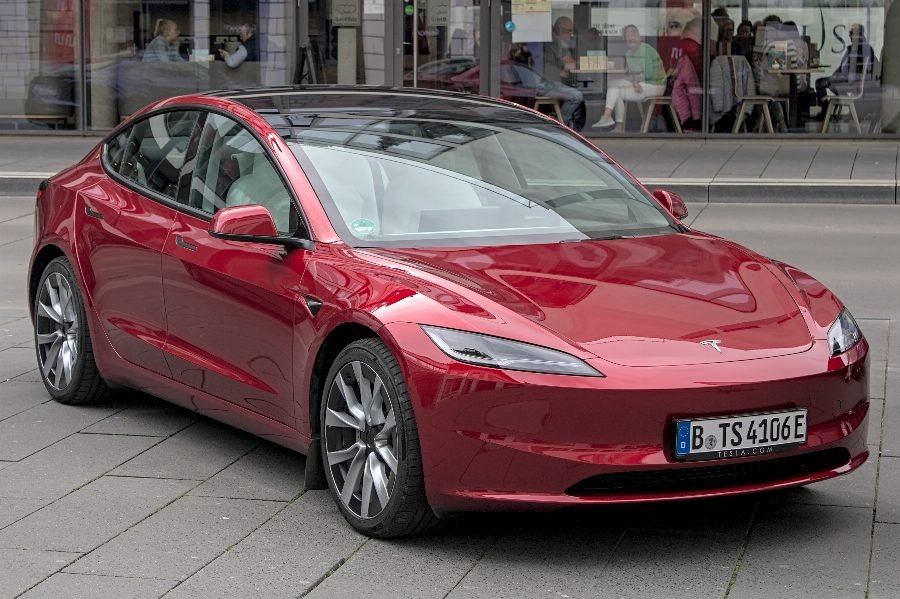
A 43-year-old man died in Florida after his Tesla Model 3 was rear-ended by a semi-truck while stopped in a live lane of Interstate 4. Emergency responders arrived to find the electric sedan stationary in the middle of the highway, and Florida troopers initially said they could not explain why the vehicle had come to a halt there. The driver was pronounced dead at the scene, and the crash immediately raised questions about the circumstances leading up to the stoppage.
Tesla’s own vehicle data, however, later confirmed that the car’s driver-assist system—either FSD or Autopilot—was engaged at the time of the collision. While the company has not publicly detailed what the system did or failed to do in the moments before the impact, the disclosure shifts focus onto the limits of semi-automated driving. This incident underscores a known reality: these systems are designed to assist a fully attentive driver, not to handle every possible road situation, and a stationary vehicle in a high-speed lane can be a scenario that confuses them.

For Saudi buyers, the Model 3 remains one of the most popular electric sedans in the Kingdom, often chosen for its balance of range, performance, and access to Tesla’s supercharger network. It competes in a growing segment that includes the Lucid Air, the Polestar 2, and several Chinese EV entries, alongside traditional combustion rivals like the Toyota Camry and Hyundai Sonata for buyers who are not yet ready to switch to electric. The price difference is significant, but Tesla’s brand cachet and software reputation continue to draw customers.
What should Saudi shoppers watch for? First, understand that Autopilot and FSD are not self-driving systems. The driver must remain alert, with hands on the wheel and eyes on the road, at all times. Second, be aware of local conditions: highway debris, sudden congestion, and extreme heat can all affect sensor performance or road visibility. Finally, keep software updated, as Tesla often issues fixes that improve behavior in edge cases like stopped vehicles. Even with updates, no system currently available can guarantee crash avoidance in every scenario.
This tragedy is a reminder that advanced driver assistance is a safety aid, not a substitute for attention. As more Saudis adopt electric vehicles and their associated technology, understanding the difference will be essential for staying safe on the Kingdom’s highways. The investigation into the Florida crash is ongoing, and its findings may offer further lessons for drivers everywhere.



Comments (0)
No comments yet. Be the first to comment.