
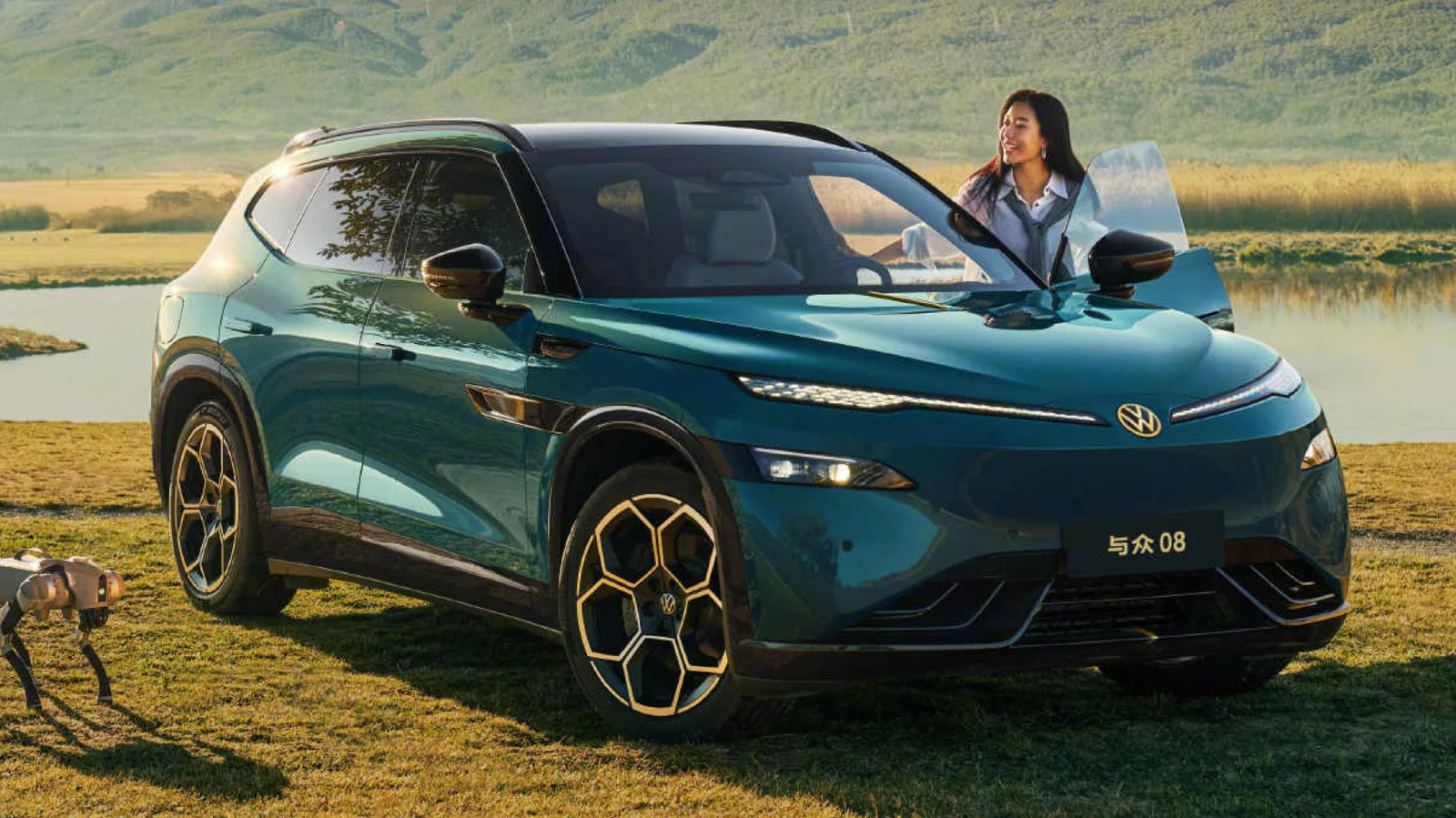
Volkswagen's electric offensive in China, built partly on its technology partnership with Xpeng, is falling well short of the company's own expectations. The German automaker had originally projected that the EVs developed through the collaboration would move close to 4,000 units a month. Actual demand has landed far below that mark, underscoring how difficult the world's largest car market has become for established foreign brands.
The tie-up was designed to do two things at once: shorten VW's development timelines and give it access to the kind of software and battery know-how that Chinese startups have built up faster. On paper it looked like a sensible shortcut. In practice, the market has not rewarded it, as local buyers continue to gravitate toward domestic players that combine aggressive pricing with fast-moving digital features.
For Saudi shoppers, the story matters less as a China-only curiosity and more as a signal about how Volkswagen's next wave of electric models is being shaped. The Kingdom's EV market is still young but increasingly crowded, with Tesla, BYD, Hyundai, Kia, Nissan and a growing list of Chinese brands such as Xpeng itself competing in the compact and mid-size crossover space that VW would target with cars like these.
That leaves buyers with a few things to weigh. First, availability: not every model developed for China is destined for Gulfshowrooms, so it is worth confirming which nameplates are actually confirmed for Saudi Arabia rather than assuming. Second, long-term support, including warranty terms, dealer coverage and access to software updates, which is where newer entrants are still proving themselves. Third, resale value, an area where established badges have historically held an advantage but where the picture is shifting quickly as more electric models arrive.
The takeaway is caution rather than condemnation. A slow start in China does not automatically translate into a weak product elsewhere, but it does suggest that shoppers should judge these cars on what they deliver locally, not on the strength of a partnership announced elsewhere.




Comments (0)
No comments yet. Be the first to comment.