
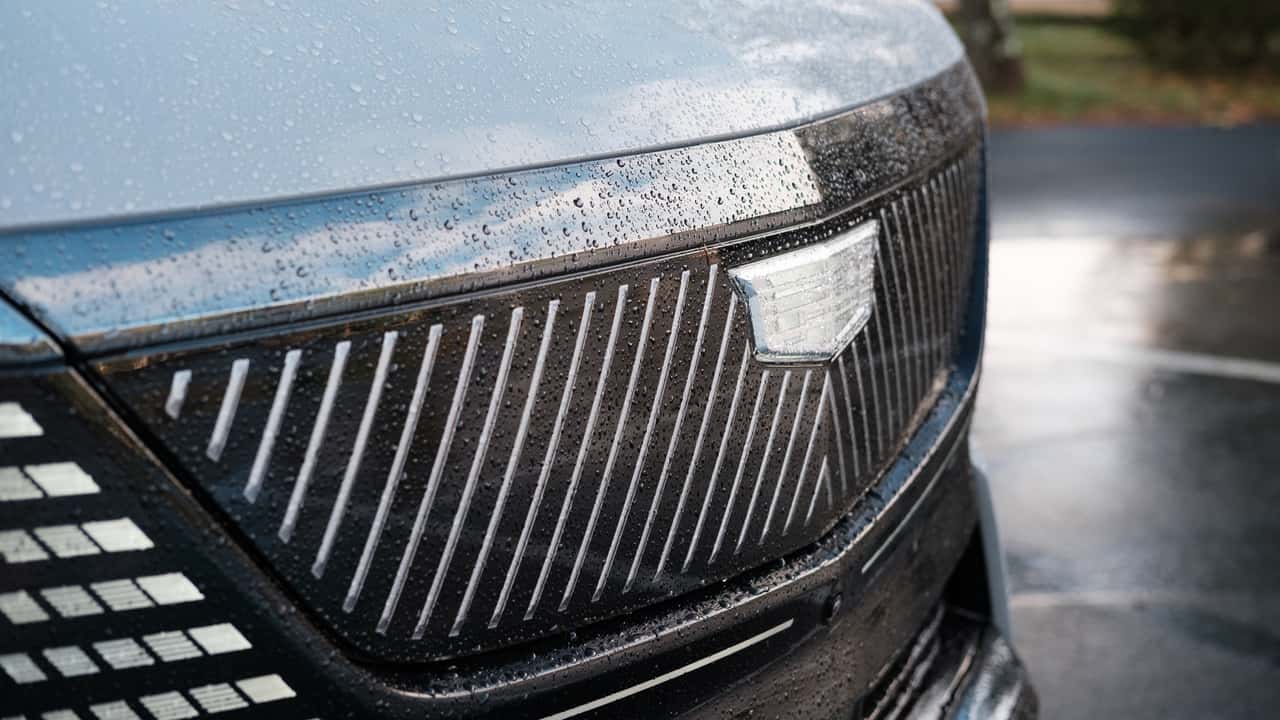
General Motors used a technology briefing this week to sketch out what its next generation of vehicles will look like, and the short answer is: noticeably different from what sits in showrooms today. The event covered a lot of ground, but two themes stood out — a new approach to battery chemistry and a much bigger role for artificial intelligence inside the cabin.
On batteries, GM talked up LMR cells, short for lithium manganese-rich. The appeal is practical rather than exotic: this chemistry leans on more widely available materials, which should help the company build affordable, high-volume electric vehicles without depending so heavily on scarce and expensive raw materials. Rather than betting on a single formula, GM appears to be planning a mix of battery types across its lineup, matching cost and range to each segment.
The second pillar is an AI assistant that GM wants to build into its vehicles. Instead of the scripted voice commands drivers are used to, the aim is a system that can hold a conversation, handle navigation and vehicle settings, and generally act as an in-car helper. It is the same direction most major automakers are now chasing.
For Saudi buyers, the practical near-term effect lands on the brands GM sells here — Chevrolet, GMC and Cadillac — which will gradually inherit this hardware and software. The competitive field is crowded: Chinese electric brands such as BYD have moved aggressively on price, Tesla remains the reference point for software, and Hyundai, Kia and Lucid all compete for the same attention.
Shoppers should watch a few things before committing. Ask how long battery warranty coverage runs and whether it transfers, check how well public charging fits your daily routes, and confirm whether connected AI features require a paid subscription after the initial period. It is also worth asking whether voice controls and software updates are properly supported in Arabic and tuned for local roads — something brochures rarely spell out.

Comments (0)
No comments yet. Be the first to comment.