
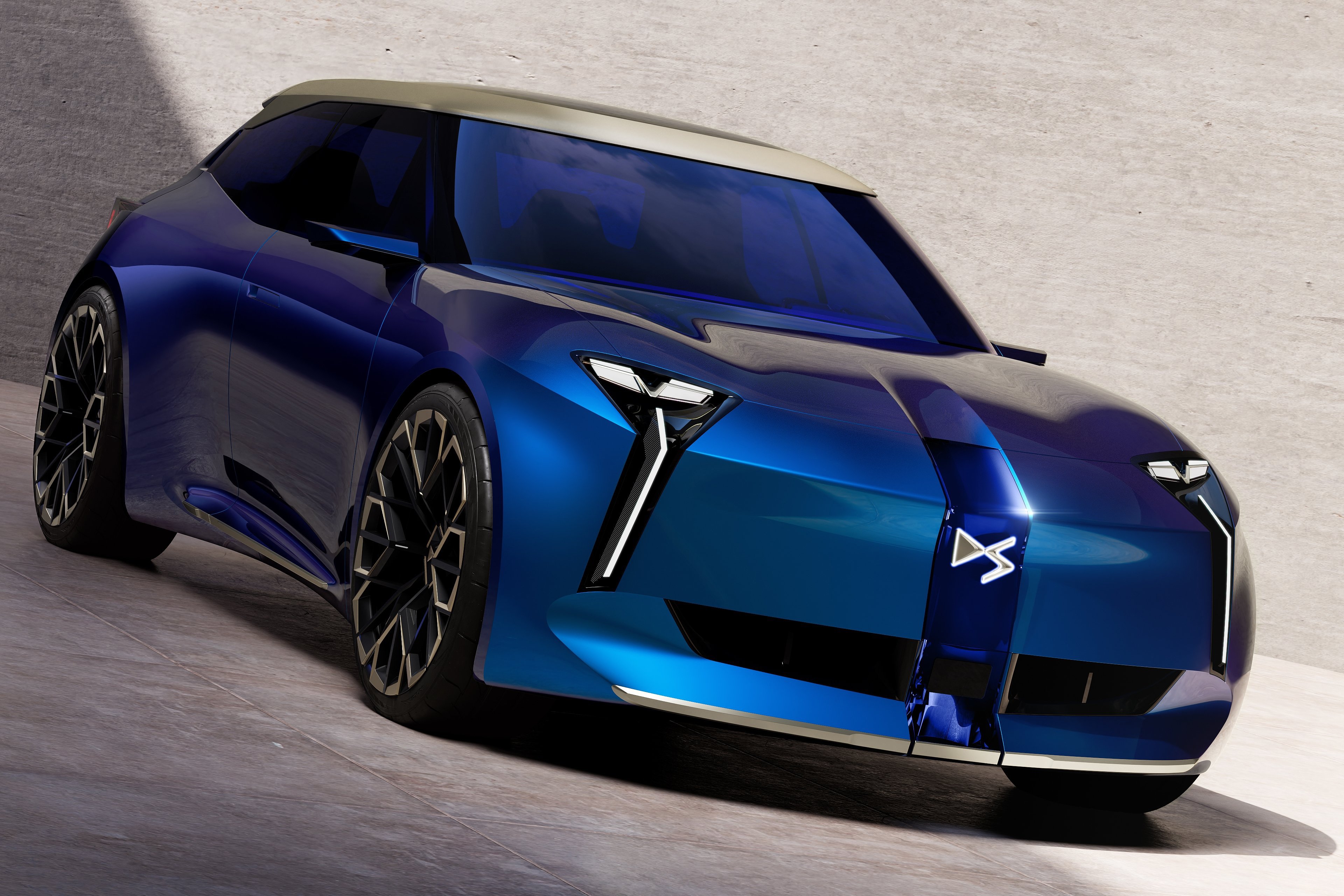
Stellantis put its European brands front and centre at this week's Paris motor show, unveiling a spread of concept cars led by Citroen and Peugeot, which drew most of the attention. The group, which also owns Jeep, showed that its design studios are working well beyond the models that reach showrooms today, with several other brands presenting their own distinctive studies alongside the two French marques.
The timing is not accidental. Chinese manufacturers continue to expand aggressively across Europe, and legacy brands are using concept cars to signal where they intend to take styling, cabin technology and electrification. A motor show debut is a statement of intent rather than a sales announcement, and these vehicles are best understood as direction rather than product.

For Saudi buyers, the connection is indirect but worth noting. Peugeot and Citroen both sell in the Kingdom, mostly in the compact crossover and family SUV segments, and design cues and features shown on concepts tend to reach production models over the following model years. That means a concept revealed in Paris can hint at what a showroom car will look like here later.

Those two brands compete in a crowded part of the Saudi market. They sit against established Japanese, Korean and American rivals, and increasingly against Chinese brands such as BYD, Geely, MG and Changan, which have gained ground with generous equipment lists and sharp pricing. European marques generally lean on design character, driving feel and heritage to justify their position, and the Paris concepts fit that playbook.
Shoppers should treat concept cars with caution. Show cars often carry features, materials and proportions that are softened or dropped before production, and there is no guarantee a given study will reach Saudi Arabia at all. Anyone waiting on a future model should check warranty terms, the size of the local service network, parts availability

Comments (0)
No comments yet. Be the first to comment.