
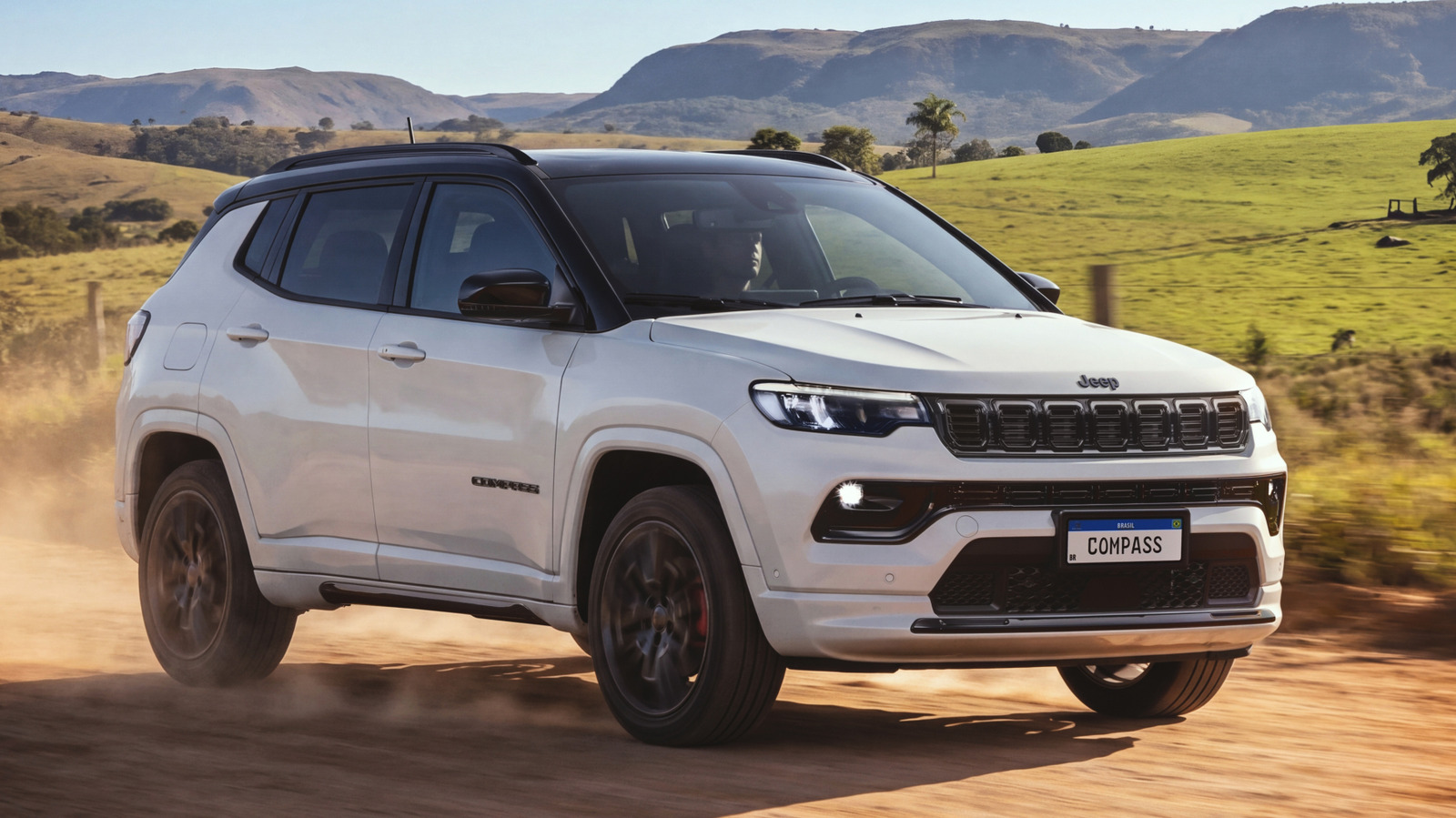
Jeep is continuing to sell its current Compass in South America even as a newer generation of the compact SUV has already reached showrooms in Europe, according to reports. Rather than replacing the model everywhere at once, the brand appears to be keeping the existing version in production for markets where it still sells in volume, a strategy that stretches the life of a vehicle that has been on sale for roughly a decade.
The approach is not unusual in the compact crossover class, where manufacturers often stagger launches region by region and keep older designs rolling in price-sensitive markets. For Jeep, the Compass is a volume player that sits below the larger Grand Cherokee and above the smaller Renegade, so maintaining supply in South America lets the brand hold its position without the cost of a full model changeover.
Saudi shoppers know the Compass as one of the more accessible routes into the Jeep range, competing against a crowded field of compact SUVs. Rivals sold locally include the Toyota RAV4, Nissan X-Trail, Hyundai Tucson, Kia Sportage, Mazda CX-5, Chevrolet Equinox and Honda CR-V, alongside a growing wave of Chinese alternatives that have pushed equipment levels higher at lower price points.

What this means for buyers in the Kingdom is less about South America and more about timing. A model that stays in production longer in some regions can continue to be offered elsewhere, and dealers may sell several model years side by side. Anyone considering a Compass should confirm exactly which generation and model year is on the showroom floor, and compare its safety features and infotainment against newer rivals.
It is also worth checking warranty terms, service intervals and parts availability through the local dealer network, since these matter more on an older platform. Resale value is another factor: a design nearing the end of its cycle typically depreciates differently from a freshly launched competitor.

Jeep has not indicated how the Compass line-up will develop in the Gulf, so shoppers should treat the South American decision as a signal that the current model has life left in it, not as confirmation of what will arrive locally next.


Comments (0)
No comments yet. Be the first to comment.