
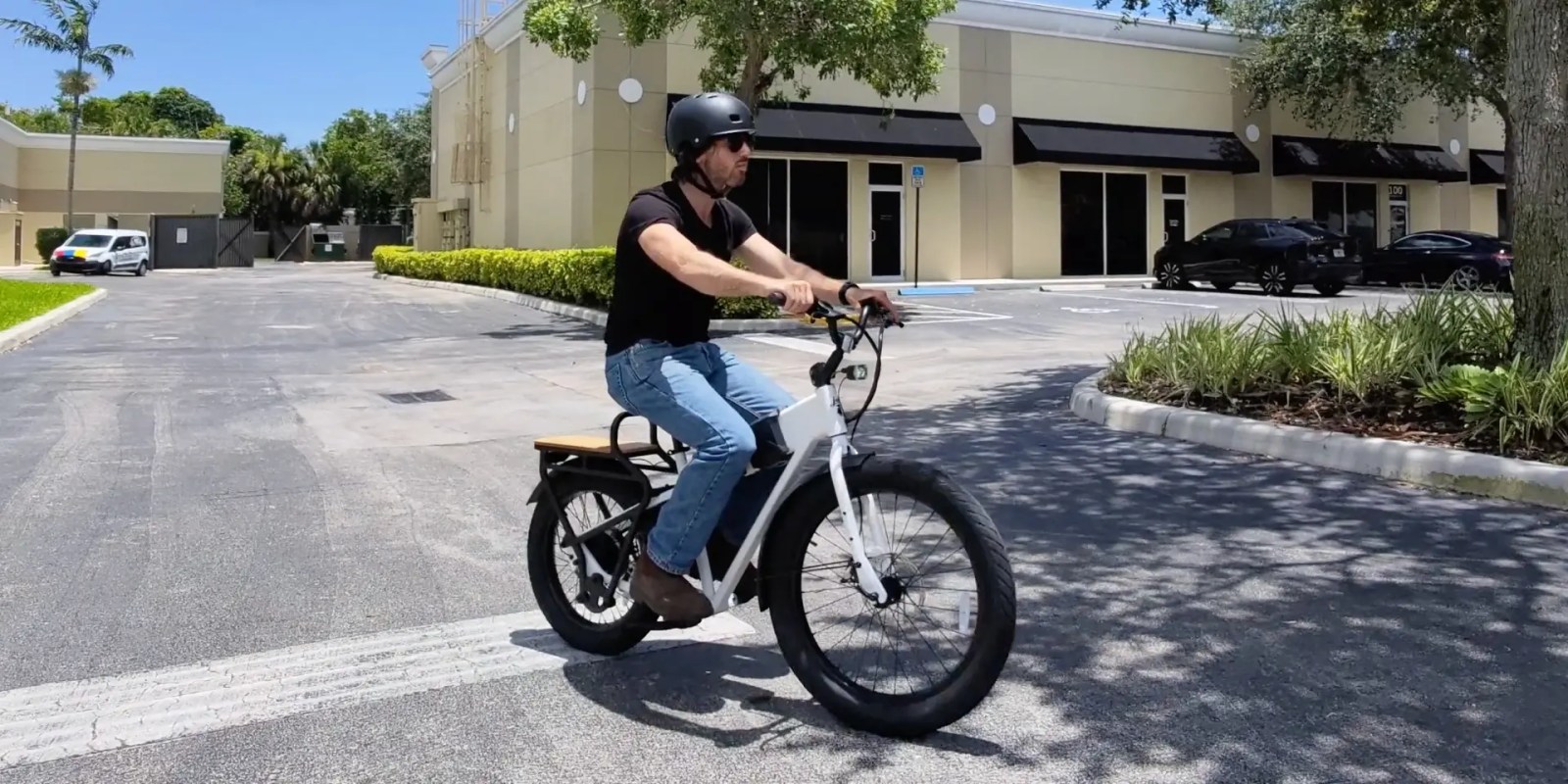
The question has been on my mind as I watch the micromobility revolution reshape how we move through cities: do e-bikes truly need pedals to earn their name? For years, the classic electric bicycle has relied on pedal-assist, where the motor kicks in as you push the cranks. But a growing wave of throttle-only models—essentially small electric motorcycles with bicycle frames—blurs the line between bike and scooter, making us reconsider what “e-bike” even means.
The micromobility sector has exploded with options: scooters, self-balancing devices, and mopeds all compete for the same short-trip space as e-bikes. In Saudi Arabia, where urban expansion and traffic congestion are pushing commuters toward lighter vehicles, the choice matters. Throttle-only e-bikes offer convenience for riders who want a no-sweat cruise, but they often face stricter regulations. In many markets, any vehicle that can move without pedaling falls under moped or motorcycle licensing rules, which could affect where and how you ride in the Kingdom.
For Saudi buyers, the decision comes down to utility and legality. Pedal-assist models typically align with bicycle laws, making them easier to ride on bike paths and in residential areas—important for cities like Riyadh or Jeddah that are slowly building cycling infrastructure. Throttle-only versions, by contrast, may require registration, insurance, or a motorcycle license, especially if they exceed certain speed thresholds. Rivals include not just traditional electric scooters but also light mopeds from brands like NIU or Segway, which offer similar convenience with clearer vehicle classifications.
What should shoppers watch for? First, check local traffic regulations regarding maximum speed and motor power—Saudi authorities have been updating rules for electric vehicles, and enforcement can vary. Second, consider your daily route: if your commute involves long, flat stretches, a throttle-only model might feel freeing; if you need to weave through tight streets or want the option to pedal for exercise, stick with pedal-assist. Finally, battery range and charging infrastructure are still growing, so plan for a model that matches your typical distance.
In the end, the “right” e-bike depends on personal preference and local laws. I love the simplicity of a throttle when I’m tired, but I also appreciate the safety net of pedals for legal clarity. Whether you choose pedals or not, the key is to ride smart and stay informed about what your city allows.


Comments (0)
No comments yet. Be the first to comment.