
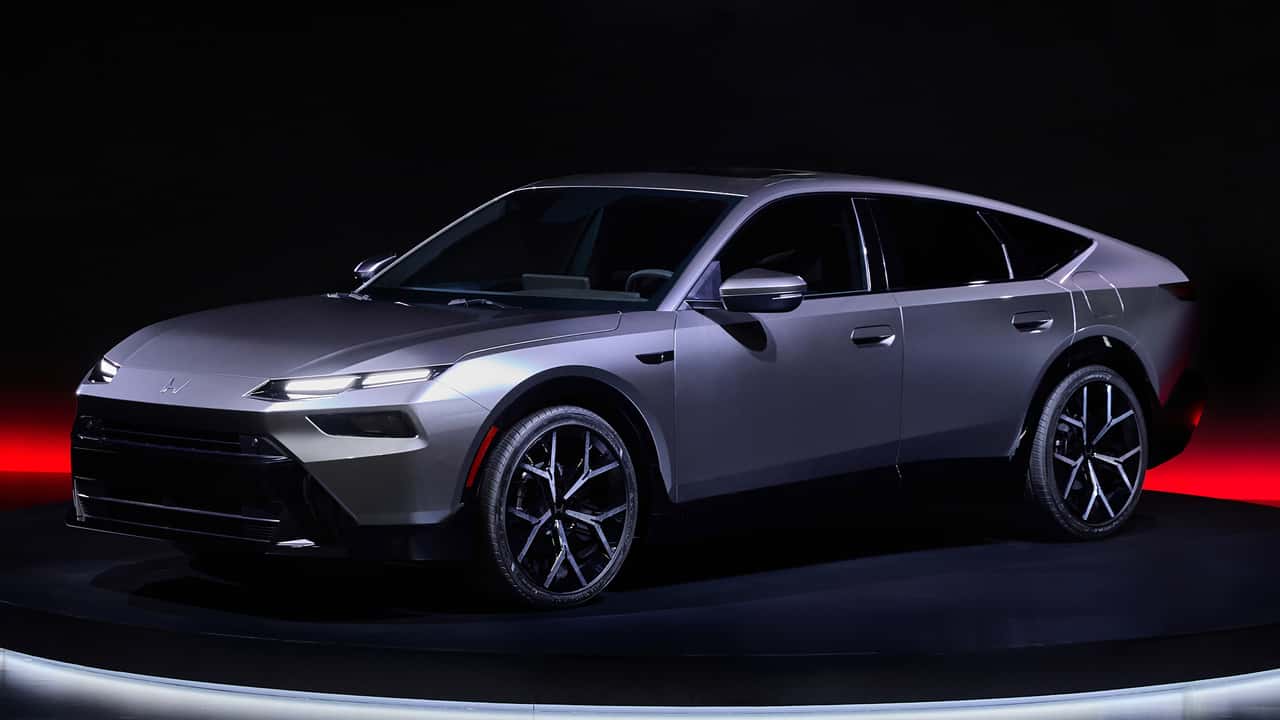
Honda has confirmed that its next wave of hybrid models will adopt an electrically driven all-wheel-drive setup, with more than a dozen new hybrids in development and the majority of them aimed at North American buyers. The move signals that the company sees hybridisation, rather than full electrification alone, as its main bridge for mainstream models over the coming years.
The system works differently from a conventional mechanical all-wheel drive. Instead of a driveshaft linking the front and rear axles, the rear wheels are turned by their own electric motor, with the vehicle's electronics deciding how much torque to send back and when. That arrangement typically reacts faster than a mechanical coupling, frees up interior and floor space, and allows engineers to tune the front-rear balance in software rather than hardware.
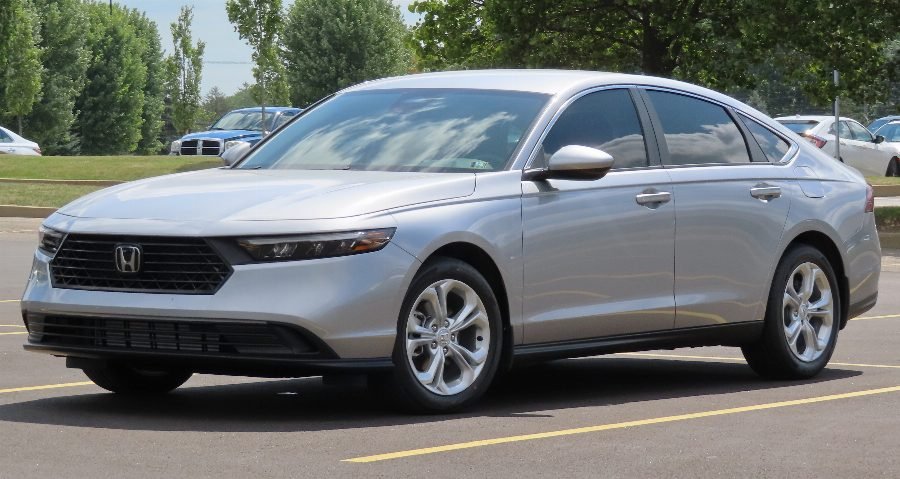
For Saudi buyers, the appeal is straightforward. Hybrids have moved from niche to mainstream in the Kingdom as fuel costs and efficiency expectations have shifted, and a crossover that can put power to all four wheels is easier to sell here than a front-drive-only variant. Electric rear drive can help on gravel, sandy shoulders and wet roads, and it usually adds a useful traction margin without the weight and complexity of a traditional 4x4 transfer case.

That said, it is not a substitute for a proper off-road vehicle. Buyers who genuinely tackle dunes or rocky tracks should still look at body-on-frame 4x4s rather than a hybrid crossover. In the segment where Honda competes, the natural rivals on Saudi showroom floors include the Toyota RAV4 Hybrid, the Nissan X-Trail with its e-Power setup, and hybrid versions of the Hyundai Tucson and Kia Sportage, alongside fast-moving Chinese alternatives.
Shoppers should watch three things: whether Saudi-bound models actually receive the electric all-wheel-drive layout or a


Comments (0)
No comments yet. Be the first to comment.