
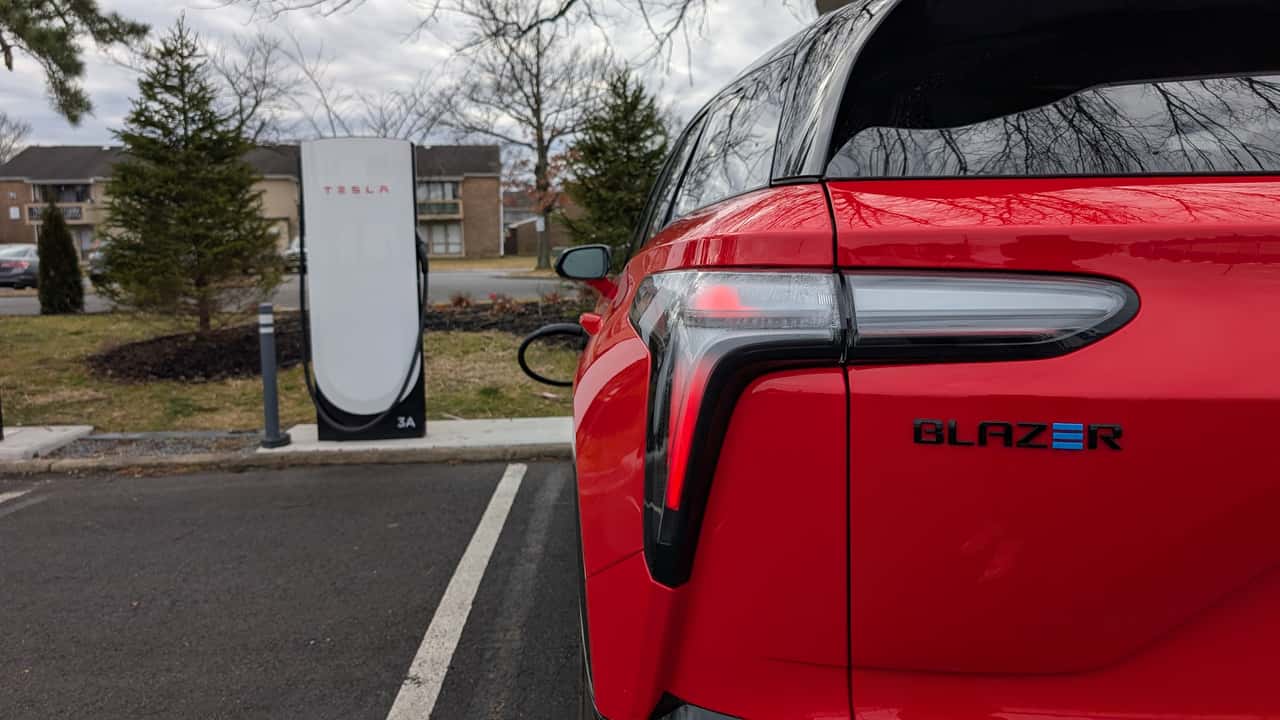
A new study suggests that electric vehicle owners are significantly more satisfied with their cars than those driving traditional petrol-powered models. The research indicates that EV drivers report higher levels of happiness across nearly every aspect of vehicle ownership, from driving experience to running costs and overall convenience. While the shift to electric mobility is still in its early stages globally, these findings could influence how Saudi car buyers view their next purchase.
In the Kingdom, the electric vehicle segment is growing rapidly, though it remains a small fraction of the overall market. Models like the Tesla Model 3 and Model Y, along with homegrown offerings such as the Lucid Air, are among the most visible choices. Rivals from Hyundai, Kia, and BMW are also entering the fray. For Saudi shoppers, the main competition is not just between EVs and petrol cars, but also among the EVs themselves, each offering different ranges, charging speeds, and brand reputations.
The study’s results underscore what many early adopters already suspect: the quiet, instant torque and lower maintenance of electric drivetrains translate into a more pleasant everyday experience. However, happiness with an EV in Saudi Arabia depends heavily on factors beyond the car itself. Charging infrastructure is still uneven outside major cities like Riyadh and Jeddah, and long road trips require careful planning. Additionally, the extreme summer heat can impact battery performance, though modern thermal management systems have improved significantly.
For potential buyers in Saudi Arabia, the key watchpoints are charging availability at home and on major highways, as well as the reliability of public fast-charging networks. Range anxiety remains a concern, but many new EVs offer well over 400 kilometers, which is sufficient for most daily commutes. Resale value is another area to monitor, as the market is young and depreciation trends are not yet fully established.
While the study paints a rosy picture, it is important to note that EV satisfaction often correlates with access to convenient charging. For Saudi residents who can install a home wallbox, the happiness gap over petrol cars is likely to be genuine. For those relying solely on public infrastructure, the experience may vary. As the market matures and more charging stations appear, the edge in owner satisfaction could further widen.

Comments (0)
No comments yet. Be the first to comment.