
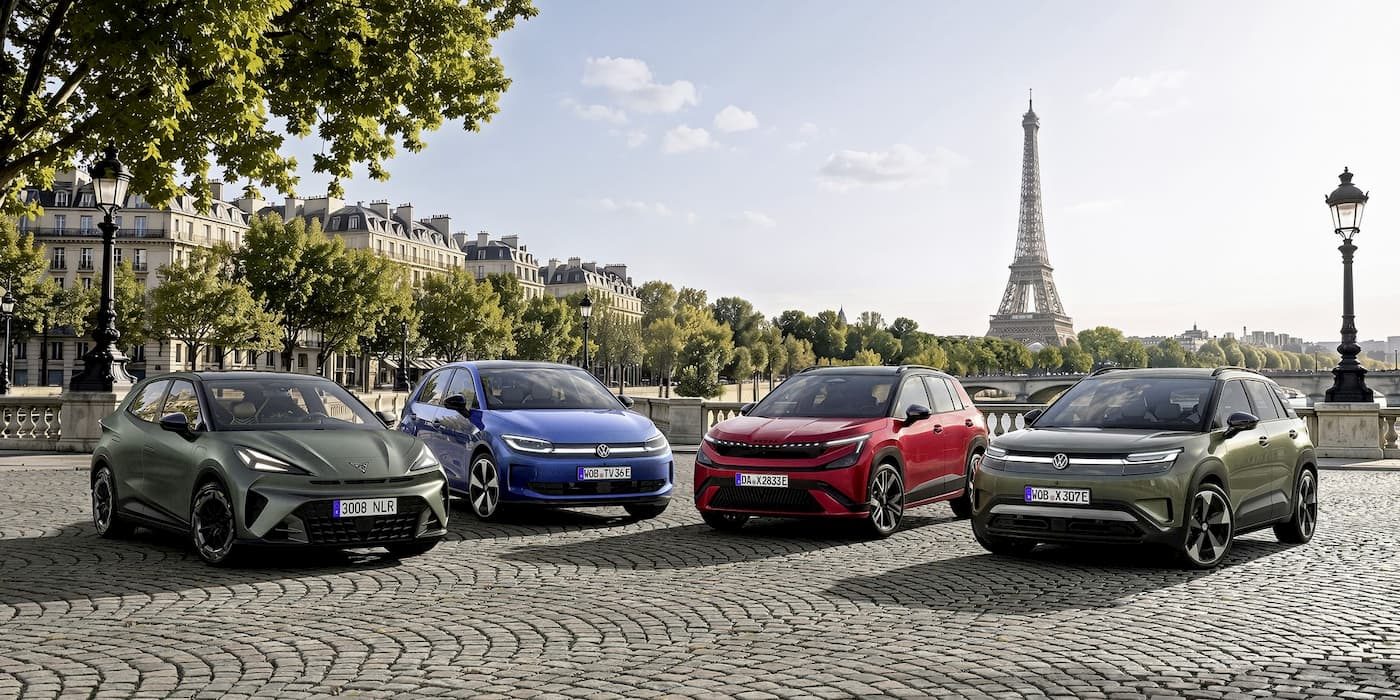
Electric vehicles are quietly taking pressure off global oil demand. New analysis from the energy think tank Ember estimates that EV fleets in oil-importing countries displaced roughly $20 billion worth of crude oil between March and August, a stretch that coincided with heightened tension around the Strait of Hormuz. For economies that buy their fuel from abroad, that is real breathing room — less cargo to chase, less exposure to a chokepoint that can rattle prices within hours.
The finding matters beyond the balance sheets of importing nations. Every barrel that never gets burned is demand that no longer has to be met during a supply scare, which softens the spikes that eventually reach consumers at the pump. The effect is gradual rather than dramatic, but it compounds year after year as more electric models reach showrooms.
Saudi Arabia sits on the other side of that equation as one of the world's largest oil exporters, yet the Kingdom is also building an EV market of its own under Vision 2030. Lucid assembles cars at its plant in King Abdullah Economic Park, and the government has been pushing charging investment and fleet electrification as part of a wider economic diversification drive. So the same trend squeezing oil demand abroad is being deliberately cultivated at home.
Saudi buyers now have far more choice than they did a few years ago. The segment stretches from mass-market Chinese offerings such as those from BYD to mainstream Korean crossovers and up to premium electric sedans and SUVs from American, German and other brands. Where an electric car once meant a niche import, it now competes directly with the petrol sedans and SUVs that dominate Saudi roads.
Anyone shopping in this space should look past the badge. Consider where you will actually charge — a home wallbox changes ownership far more than a public network, and summer heat plus air-conditioning


Comments (0)
No comments yet. Be the first to comment.