
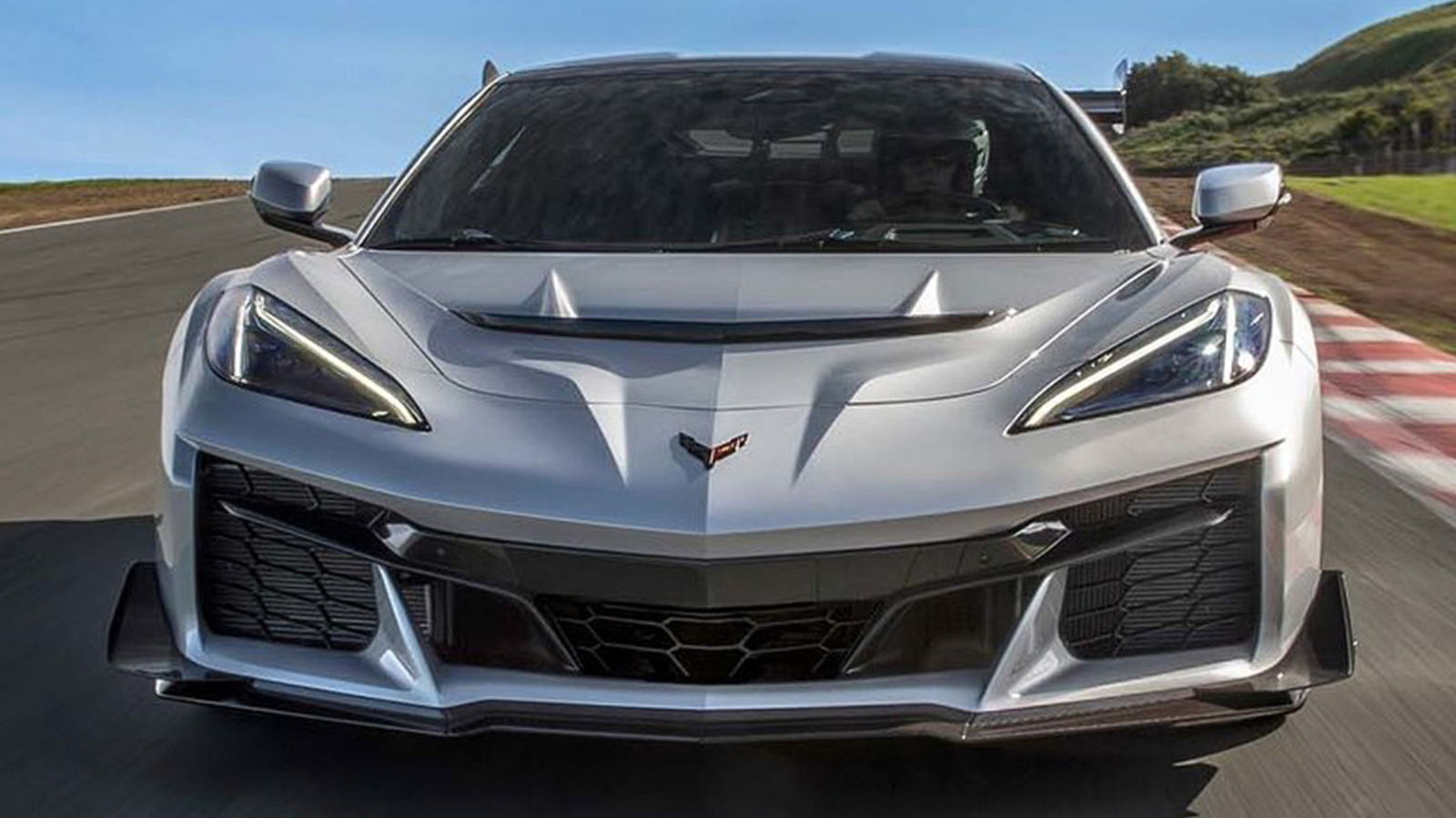
Corvette's engineering chief has signalled that the brand will not chase Ford back to the Nürburgring, even after the Mustang GTD posted a headline-grabbing lap around the German circuit. Rather than book more track time to answer that number, he indicated that Corvette's attention is now fixed on a different racing objective altogether — a sign that the rivalry between the two American nameplates is shifting away from pure lap-time bragging rights.
For Saudi buyers, the significance sits less in stopwatch figures and more in what it says about the two cars' positioning. The Corvette has long been marketed here as a relatively attainable performance coupe, while the Mustang GTD occupies a far more exotic, low-volume tier aimed at collectors. The two may be spoken about in the same breath on social media, but they compete for very different wallets in showrooms across Riyadh, Jeddah and the Eastern Province.

That distinction matters when you are comparing rivals. A shopper cross-shopping a Corvette will typically also look at the Porsche 911, the Nissan GT-R where still available, and high-spec versions of the Chevrolet's own stablemates. The Mustang GTD, by contrast, sits closer to limited-run European machines in both price bracket and availability. Treat any direct comparison between the two with caution.

What should buyers watch for? First, whether this new racing target translates into changes that actually reach production cars sold in the Kingdom — motorsport programmes do not always filter down. Second, availability and waiting times, which for halo performance models can stretch far longer than the sticker suggests.
Finally, remember that lap records are marketing as much as engineering. For daily driving on Saudi roads, factors such as cooling in summer heat, air-conditioning performance, ground clearance over speed bumps, and the local service network will matter far more than a time set thousands of kilometres away.



Comments (0)
No comments yet. Be the first to comment.