
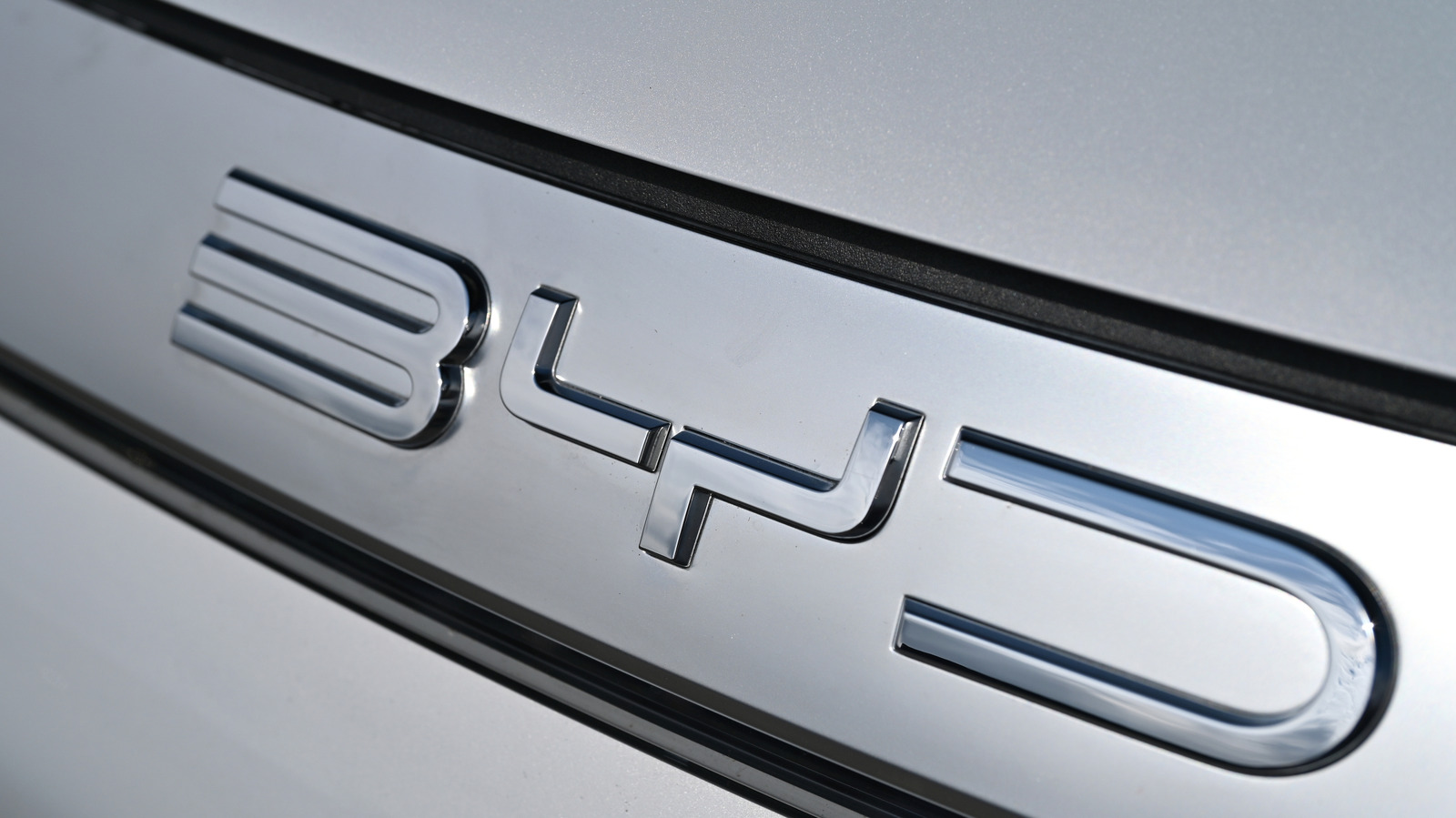
BYD owners in Japan will no longer be able to drive their vehicles onto United States military bases, according to reports, a restriction that applies to access at the gate rather than to the cars' legal status on public roads. BYD models remain on sale in Japan and can still be driven freely outside those installations; the change concerns entry onto U.S. facilities, where authorities set their own rules about what comes onto the premises.
The decision is narrow in scope but symbolically significant. It places a mainstream Chinese electric vehicle brand alongside other connected products that have faced extra scrutiny at sensitive sites in various countries. For now, no equivalent restriction has been announced for civilian roads, dealerships or registration in Japan.

Saudi buyers should read the news as market context rather than a local rule. BYD sells electric and plug-in hybrid models in the Kingdom through its own distribution arrangements, and nothing in the reports affects registration, licensing or driving here. What the episode does show is that Chinese brands are operating in an environment where policy attention can shift quickly, particularly around connected vehicles and the data they handle.

In Saudi showrooms, BYD competes against a crowded field: established Japanese and Korean names such as Toyota, Hyundai and Kia, plus Chinese rivals including MG, Geely and Changan, many of which lean on generous equipment lists and competitive pricing.
Shoppers comparing these brands should look beyond the


Comments (0)
No comments yet. Be the first to comment.