
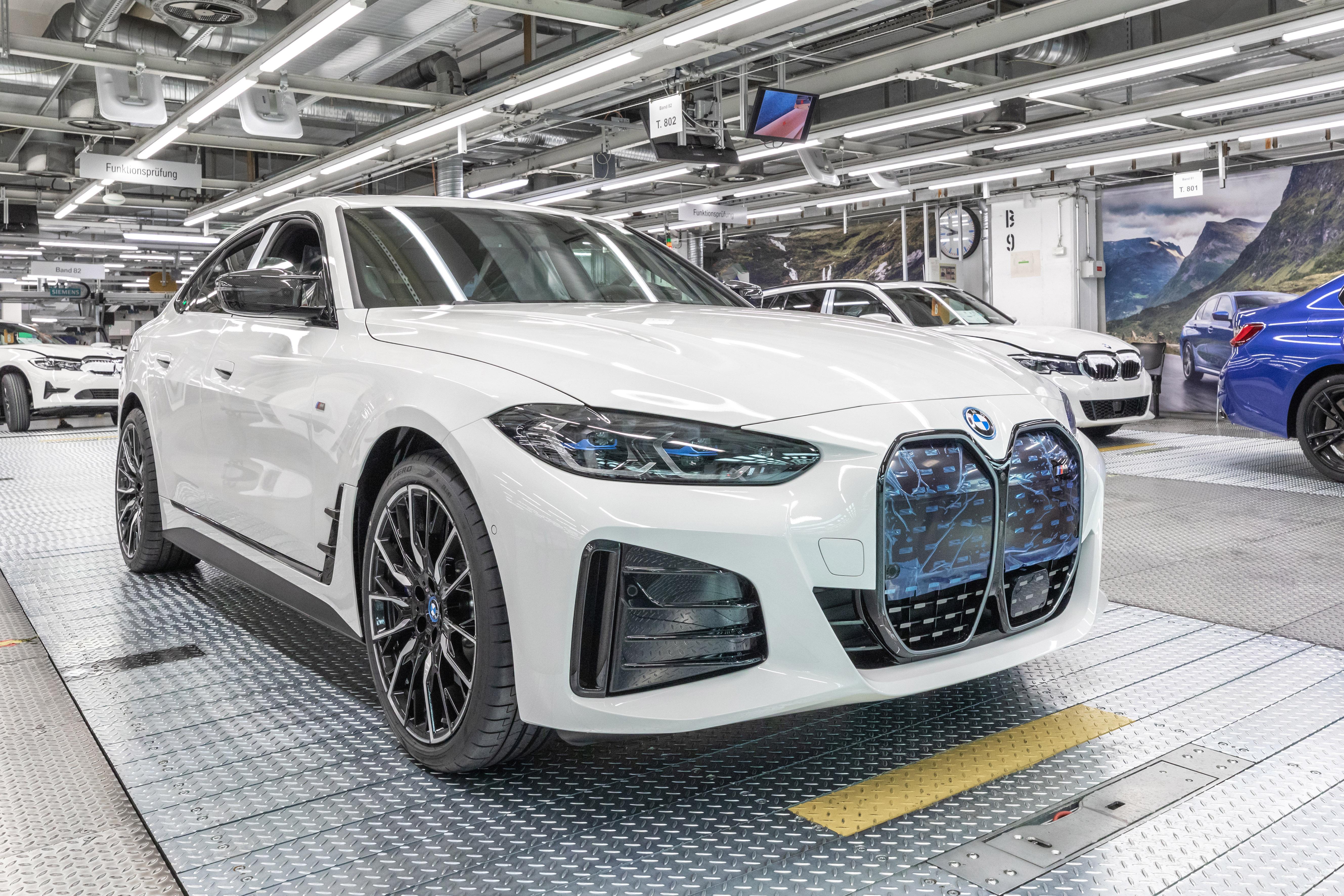
BMW has received approval to cut approximately 8,000 jobs, a reduction of around five per cent of its global workforce. The decision comes amid declining sales in China and ongoing instability in the Middle East, two key markets for the German automaker. The move signals a strategic recalibration as BMW navigates softer demand and geopolitical challenges that have affected its supply chains and regional performance.
For Saudi Arabian buyers, this development is worth noting because BMW is a prominent player in the Kingdom’s luxury car segment. Models like the 5 Series and X5 compete directly with the Mercedes-Benz E-Class and GLE, as well as the Audi A6 and Q7. The job cuts may not immediately affect showroom availability, but they could signal a prioritization of higher-margin vehicles or a slowdown in new model launches.

Saudi shoppers should watch for potential changes in pricing or trim-level availability. If BMW tightens its production focus, certain configurations or less popular variants might become harder to find. Additionally, after-sales service networks could face adjustments if the company streamlines its regional operations.

While the approval to cut jobs is a corporate restructuring move, it reflects broader headwinds that luxury automakers face in challenging global conditions. For the Saudi market, where demand for premium vehicles remains steady, BMW’s adjustment may simply mean a sharper focus on its best-selling models.
As always, buyers in Saudi Arabia should stay informed about manufacturer announcements and consult trusted local dealers for the latest updates on model availability and pricing. The current situation does not suggest an immediate disruption, but it is a reminder that global automakers are adapting to a more uncertain environment.




Comments (0)
No comments yet. Be the first to comment.