
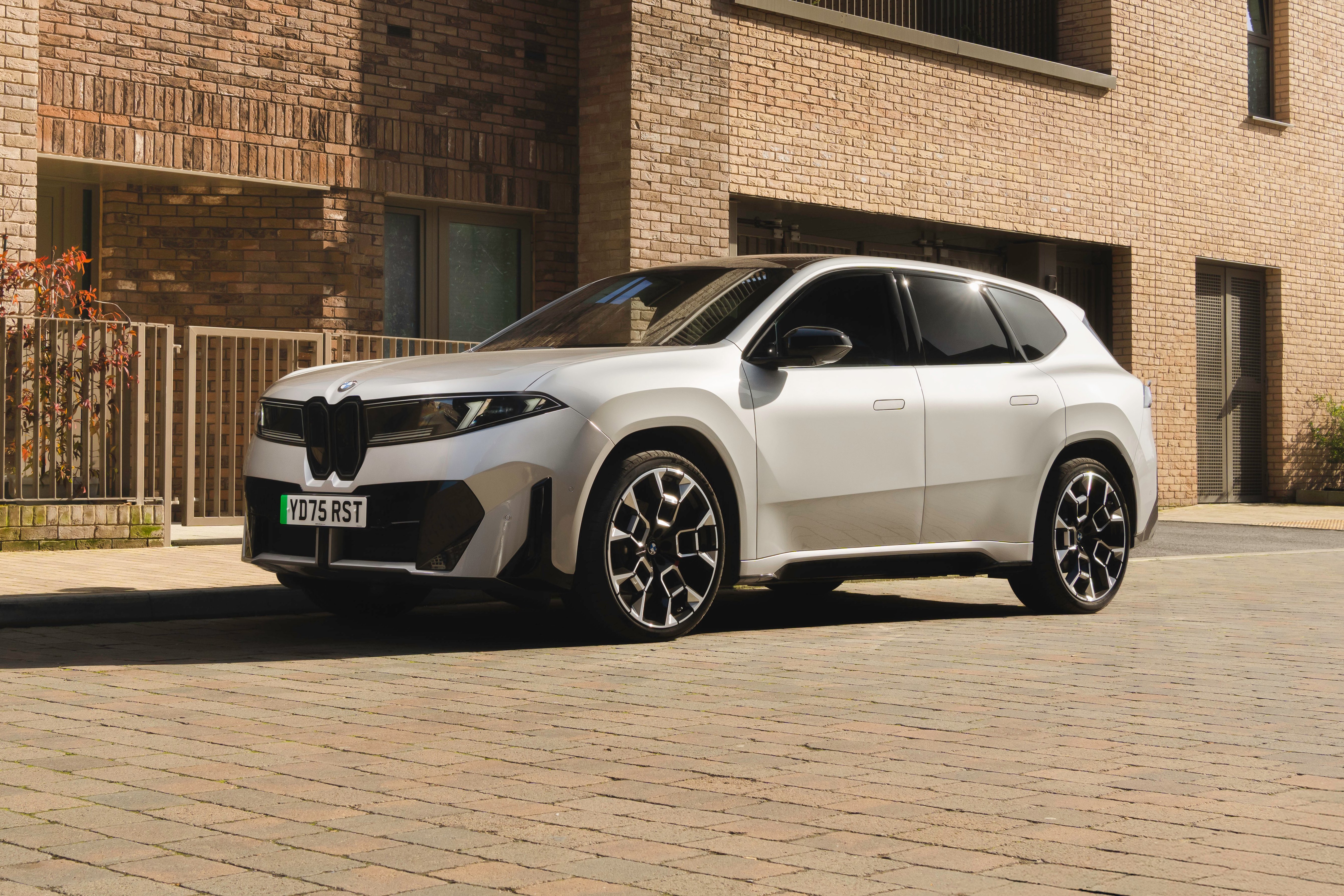
BMW has confirmed that it is steering away from the traditional array of physical switches and buttons inside its cabins, choosing instead to rely more heavily on touchscreens and voice-activated controls. The German automaker says this decision reflects a broader societal shift, particularly among younger customers, who are increasingly accustomed to interacting with devices through touch and spoken commands rather than mechanical inputs.
The move marks a significant change in how drivers will operate everything from climate settings to entertainment features. While BMW has been gradually integrating larger displays for years, the latest direction suggests that future models will see an even more minimalist dashboard design, with many secondary functions tucked away into digital menus. The company argues that this approach is not just about style, but about meeting the expectations of a generation that naturally reaches for a screen or asks a virtual assistant to complete a task.

For Saudi buyers, this shift places BMW firmly in a broader industry trend, but it also raises practical questions. In the Kingdom's premium segment, BMW competes directly with the likes of Mercedes-Benz and Audi, both of which are also experimenting with digital interfaces, though at different paces. Buyers comparing German luxury sedans and SUVs in Saudi showrooms will increasingly need to evaluate not just performance and comfort, but how intuitive and responsive each brand's control system feels in daily driving.

There are also local considerations worth keeping in mind. Voice recognition has improved greatly, but its effectiveness can depend on accent, background noise, and the clarity of Arabic language support. Touchscreen controls, meanwhile, require the driver's attention to be pulled away from the road, even if briefly. Shoppers should test these systems during a thorough test drive, especially for frequently used functions like adjusting the air conditioning, switching drive modes, or navigating through crowded city streets like those in Riyadh and Jeddah.
Another point to watch is long-term usability and resale value. Traditional buttons are often seen as more durable and easier to operate while driving, and some used-car buyers still prefer them. As BMW phases out physical controls, owners may need to rely on software updates to fix issues rather than simple manual fixes. For now, the key advice for Saudi consumers is to focus on how well the technology functions in real conditions, not just how sleek the cabin looks. Those who value simplicity and minimal distraction may welcome the change, while others may want to act before the final round of physical buttons disappears entirely.


Comments (0)
No comments yet. Be the first to comment.