
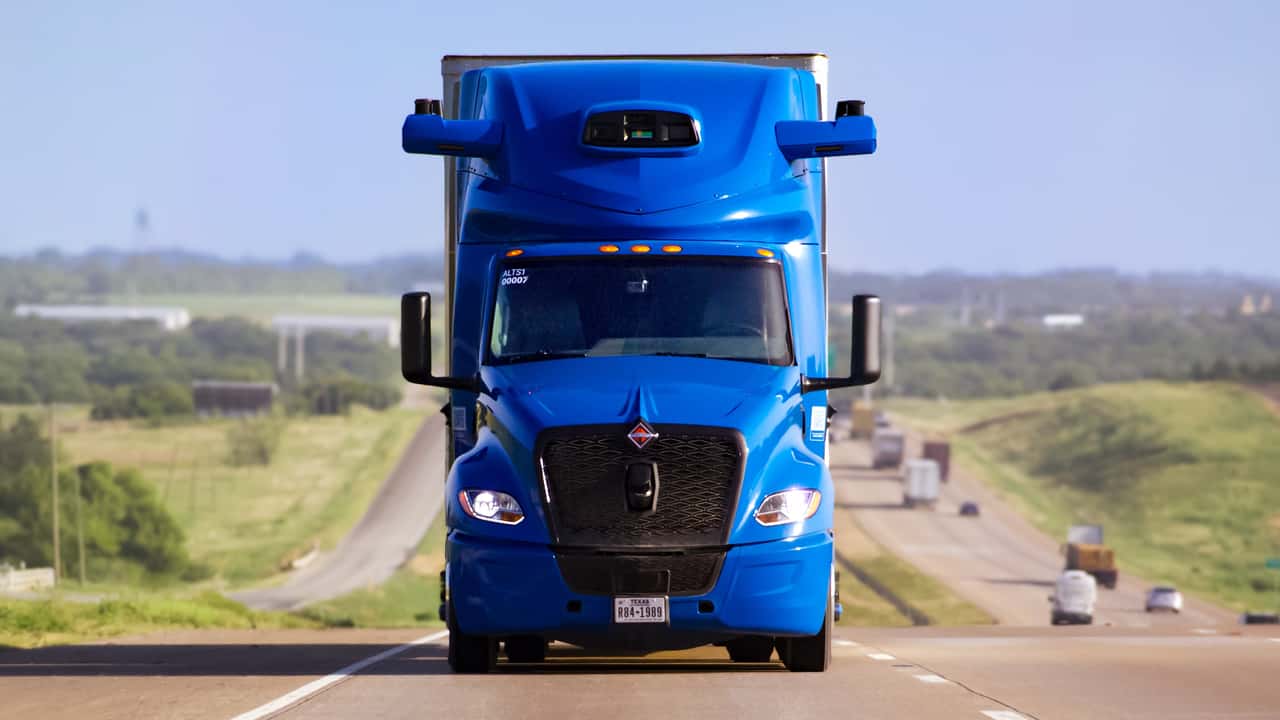
Aurora Innovation has unveiled its next-generation autonomous truck hardware, the Aurora Driver 2, promising a lifespan of one million miles while slashing component costs by half. The self-driving big-rig startup says the new suite is engineered for long-haul durability, addressing a key barrier to commercial adoption: the need for reliable, cost-effective hardware that can operate continuously over extreme distances without major overhauls.
For Saudi buyers, this technology is not a consumer product but a potential game-changer for the kingdom’s logistics sector. Autonomous trucks sit in the high-stakes commercial vehicle segment, where efficiency and uptime directly impact supply chains. In Saudi Arabia, traditional heavy-truck rivals include brands like Mercedes-Benz, Volvo, and Isuzu, which dominate the local fleet market. However, autonomous-ready platforms remain rare here, with most development still in testing phases globally.
What shoppers—meaning fleet operators and logistics firms—should watch for is regulatory readiness. Saudi Arabia has ambitious Vision 2030 goals for smart mobility, but autonomous trucking requires clear road rules, infrastructure upgrades, and safety certifications. The Aurora Driver 2’s million-mile design suggests long-term reliability, but local conditions like extreme heat and desert terrain could demand additional validation.
Another point of interest is cost. Cutting hardware expenses in half could make autonomous retrofitting more accessible to Saudi carriers, who often operate on thin margins. However, integration with existing fleets and maintenance networks will be crucial. Aurora has not announced local partners or pilot programs in the region, so buyers should monitor any announcements from the Saudi Transport General Authority or potential tie-ups with local distributors.
Overall, while Aurora’s new hardware marks a significant step for autonomous trucking globally, its relevance to the Saudi market will depend on how quickly the ecosystem adapts. Fleet managers keen on future-proofing their investments should keep an eye on regulatory progress and pilot programs before committing to this emerging technology.




Comments (0)
No comments yet. Be the first to comment.