
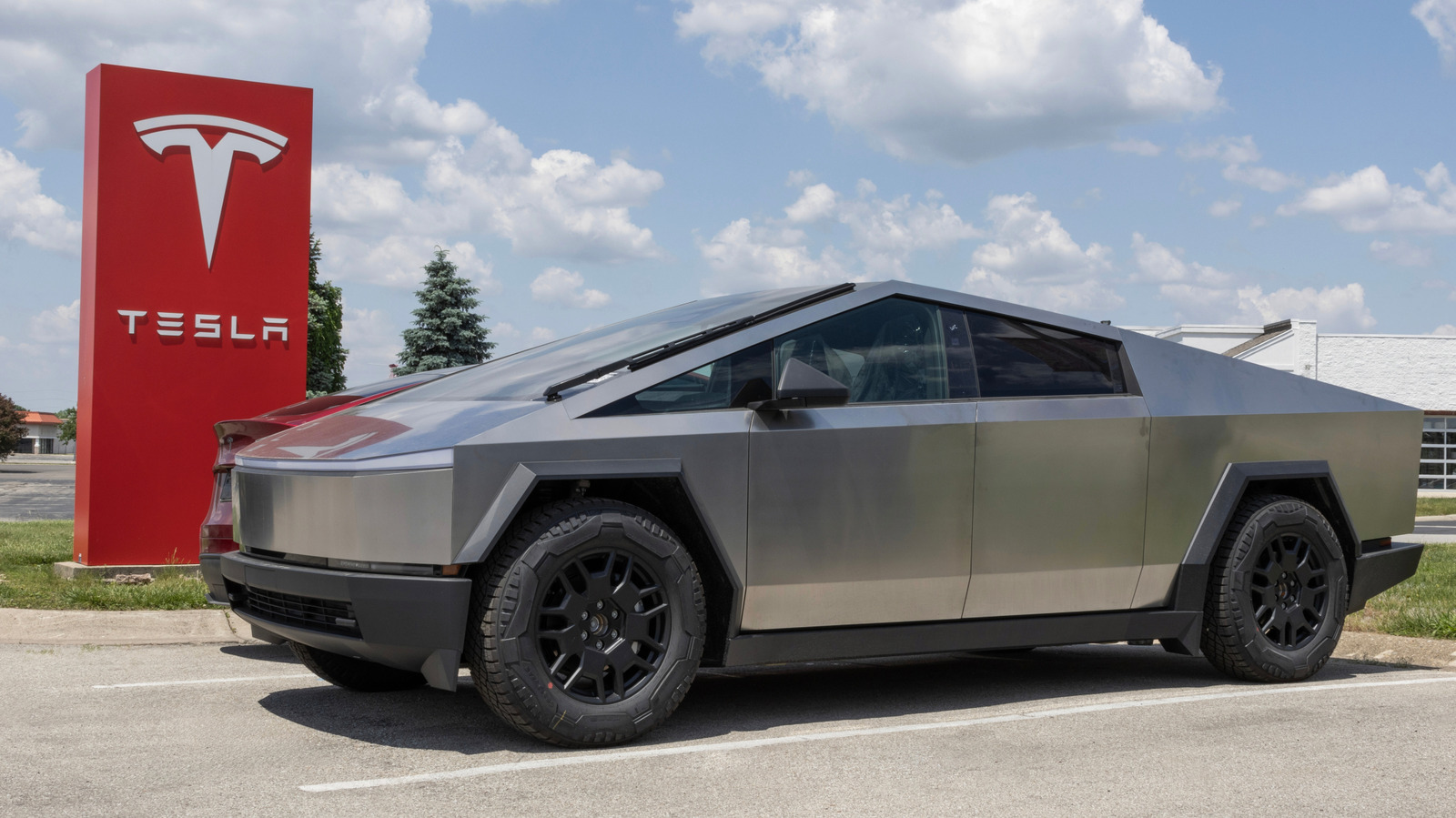
Elon Musk has confirmed that production of the Cybertruck at Tesla's Texas factory will come to an end in 2027, with the assembly line set to be repurposed for the Cybercab. The announcement effectively sets a retirement date for Tesla's first pickup, a vehicle that arrived with enormous fanfare but has remained a niche proposition throughout its short life.
The Cybertruck was never conceived as a conventional workhorse. Its angular stainless-steel body, heavy footprint and technology-first cabin placed it firmly in the lifestyle end of the pickup market, aimed at buyers who wanted a statement as much as a cargo bed. That positioning limited its appeal globally, and electric pickups as a whole still account for a very small slice of the segment.
For Saudi shoppers, the news carries a particular wrinkle: the Cybertruck has not been part of Tesla's official lineup in the Kingdom, so any examples on local roads have arrived through private imports. Its natural electric rivals, models such as the Ford F-150 Lightning and Rivian R1T, are similarly scarce here. In practice, the competition most buyers cross-shop is the established combustion pickup crowd — the Ford F-150, Chevrolet Silverado, Ram 1500 and Toyota Hilux — all of which come with dense service networks and strong resale records.
That is the main thing to weigh if you are considering an imported Cybertruck. A model with a confirmed end-of-production date raises fair questions about long-term parts availability, specialist servicing and how easily it could be resold. Buyers should also confirm the status of any warranty, ask how software updates will be handled locally, and think carefully about charging


التعليقات (0)
لا توجد تعليقات بعد. كن أول من يعلّق.