
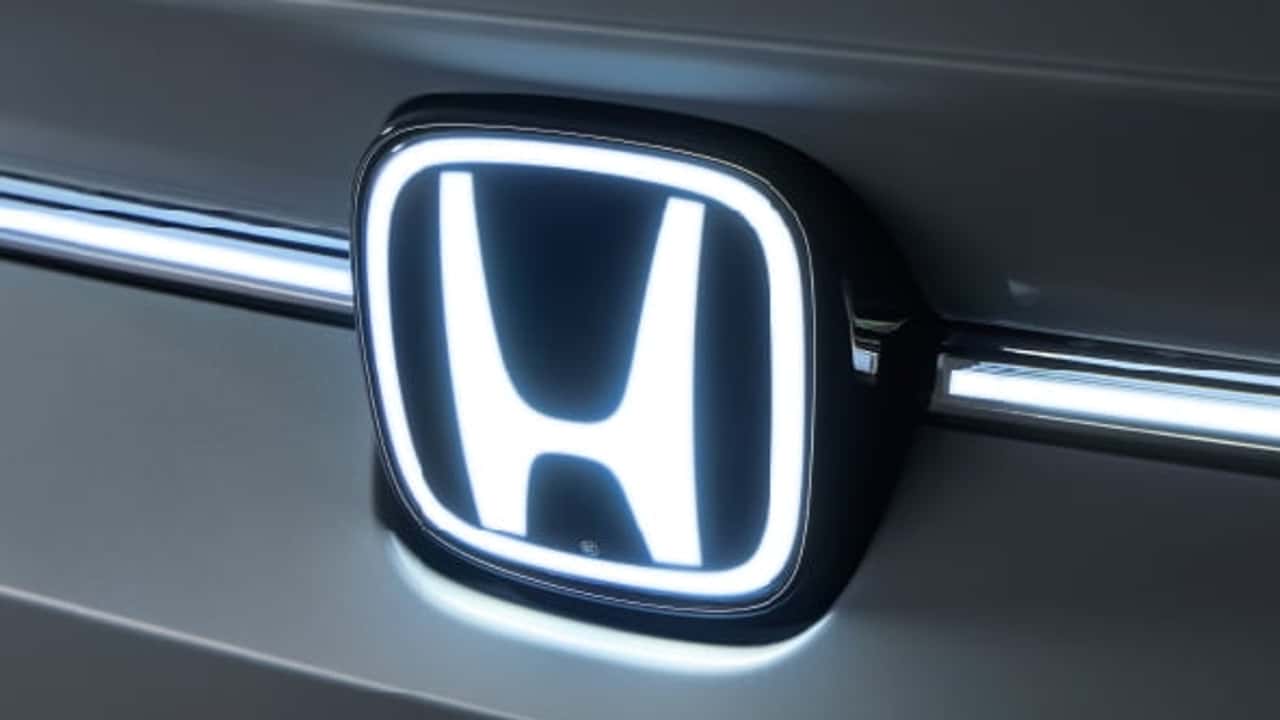
Honda and Nissan have agreed to jointly develop the core computing systems that will power their next generation of vehicles. The partnership focuses on creating common hardware and software architecture, with the first models built on this shared foundation expected to arrive in 2029 and beyond. In essence, the two Japanese automakers are pooling resources to design the “brains” of future cars, rather than building separate proprietary systems from scratch.
This is a major shift for both brands, which have traditionally kept their engineering deeply independent. By sharing the cost and expertise required for advanced vehicle software, they hope to keep pace with faster-moving competitors. The collaboration targets a future where cars are increasingly defined by digital features — such as driver assistance, in-car connectivity, and over-the-air updates — rather than mechanical components alone.
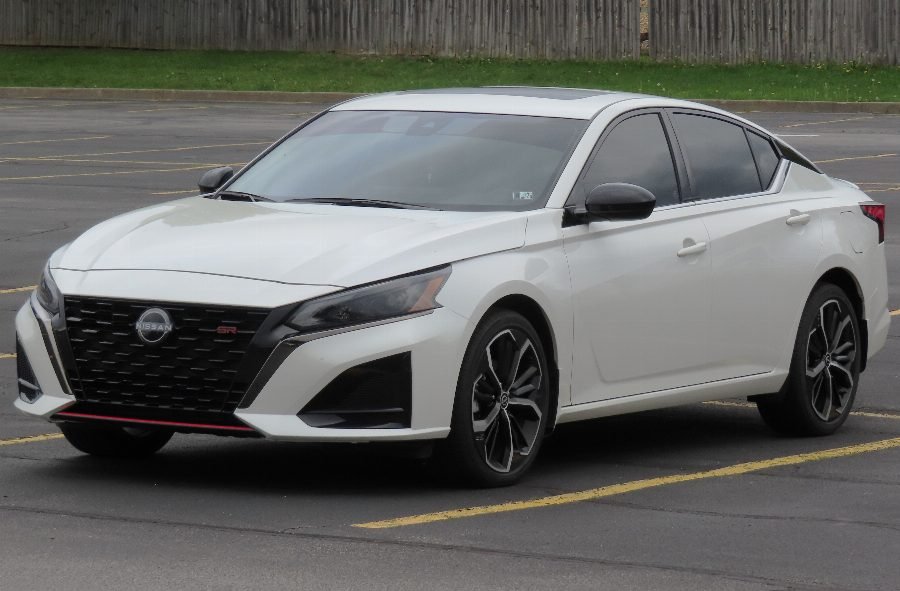
For Saudi buyers, this news has no immediate impact on current showroom models. Neither Honda nor Nissan sells large fleets of software-defined vehicles in the Kingdom today, and the partnership’s fruits will not appear until the end of the decade. Still, both brands hold a strong presence in the Saudi market, particularly Nissan with its SUVs and pickup trucks, and Honda with its sedans and family vehicles.

Looking ahead, the real competition in this segment will likely come from Japanese rivals like Toyota, as well as Korean brands such as Hyundai and Kia, which are already pushing aggressively into connected and software-rich vehicles. Chinese automakers are also expanding in Saudi Arabia with highly digital offerings, making this partnership a strategic move to stay relevant in a rapidly changing market.
Shoppers planning to buy a Honda or Nissan in the near future should not expect dramatic changes. The bigger question to watch is how well these future systems adapt to local needs — including Arabic language support, navigation accuracy on Gulf roads, and reliability in extreme heat. If the shared platform delivers on its promise, it could lead to more affordable, advanced cars in Saudi showrooms by the end of the next decade. For now, it remains a long-term bet between two familiar brands looking to secure their place in the era of the software-defined vehicle.



التعليقات (0)
لا توجد تعليقات بعد. كن أول من يعلّق.