
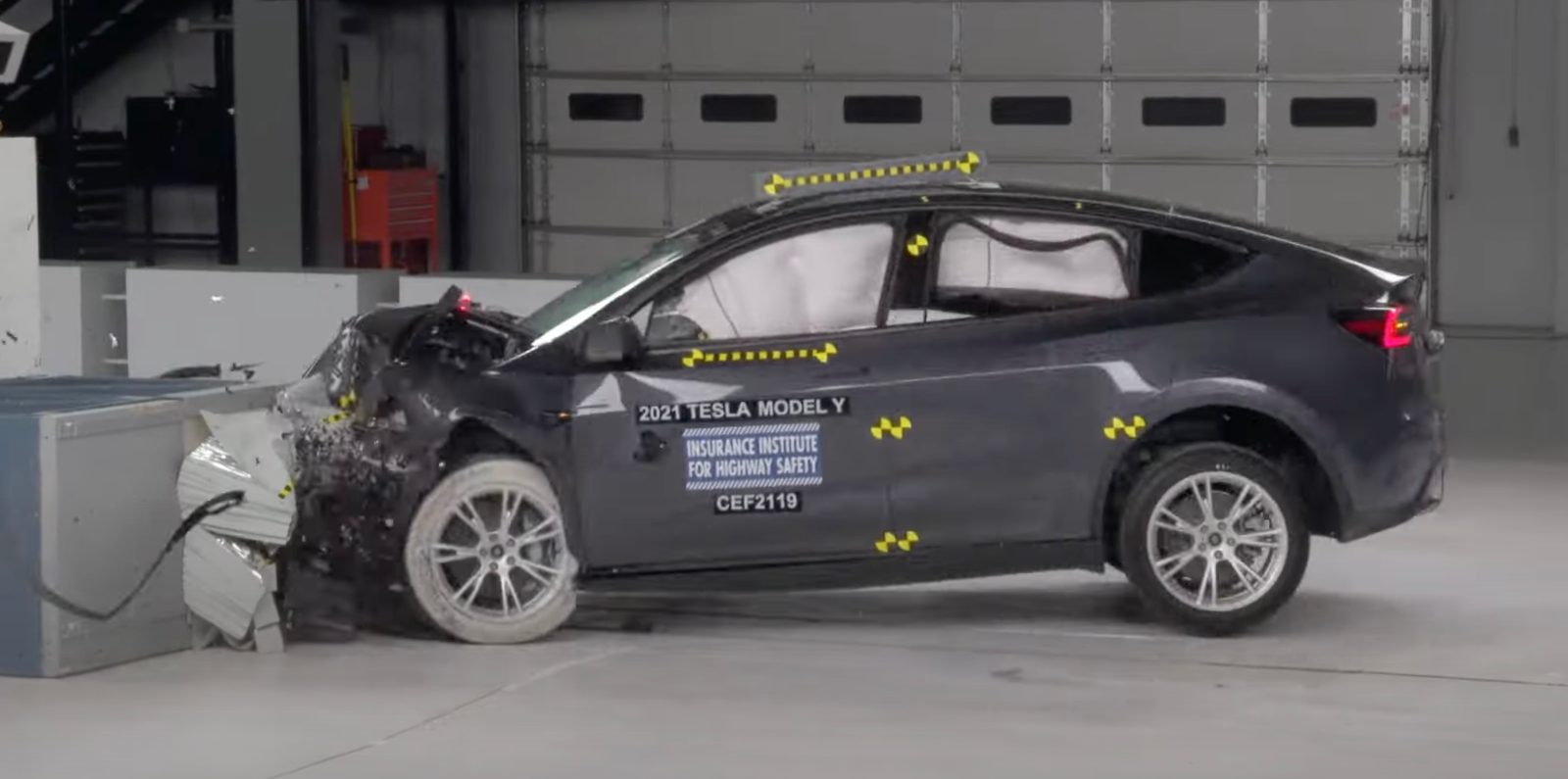
Tesla is required to report crashes involving its driver-assistance systems, Autopilot and “Full Self-Driving,” to U.S. federal regulators. But new analysis shows that as soon as those reports are filed, the company redacts nearly every useful detail, blacking out critical information about how and why each crash occurred. The public is left with almost nothing beyond a confirmation that a crash happened—and, in nearly every case, a statement from Tesla placing the blame squarely on the driver.
This pattern matters far beyond the United States. It raises a simple but important question for anyone considering a Tesla in Saudi Arabia: who is really accountable when the car’s advertised technology is involved in a serious accident? The company’s own data, even with the redactions, provides a clearer picture than its public messaging does. Matching the fragments of those reports against police records and other sources can reveal a pattern that Tesla would prefer to keep hidden.

In the Saudi market, Tesla sits in a crowded electric-vehicle segment that now includes serious competitors such as the locally backed Lucid Air, along with premium European offerings like the Audi e-tron, BMW iX and Mercedes EQS. All of these cars offer advanced driving aids, but none carries the same battery of marketing claims around “full self-driving” as Tesla. That makes the difference in how safety data is disclosed especially relevant for buyers weighing one brand against another.
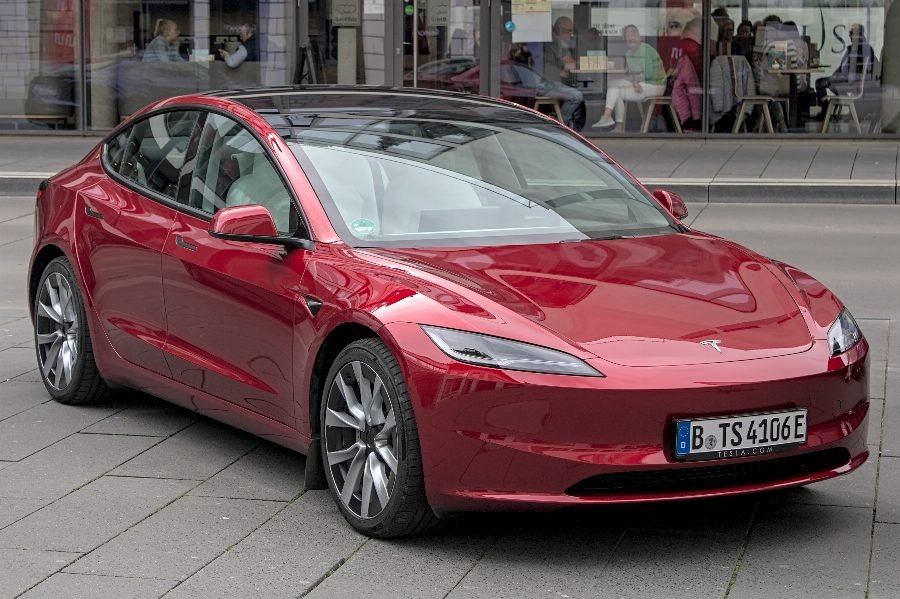
What should Saudi shoppers watch for? First, treat any manufacturer’s self-driving language with caution. No production car sold today is truly autonomous. Second, look beyond the showroom experience: seek out independent crash-test results and real-world owner reports, not just the brand’s own promotional videos. Third, consider how these systems behave in local conditions—desert heat, glare, and unusual road layouts can challenge sensors and cameras in ways not always reflected in tests from colder, tidier markets.
Ultimately, the redacted reports are a reminder that safety claims are easiest to make when details are kept out of view. For buyers in Saudi Arabia, due diligence means insisting on transparency—not just from Tesla, but from every automaker offering a promise of hands-free driving. The hidden data may not be fully visible, but the duty to ask hard questions is entirely on the driver.



التعليقات (0)
لا توجد تعليقات بعد. كن أول من يعلّق.