
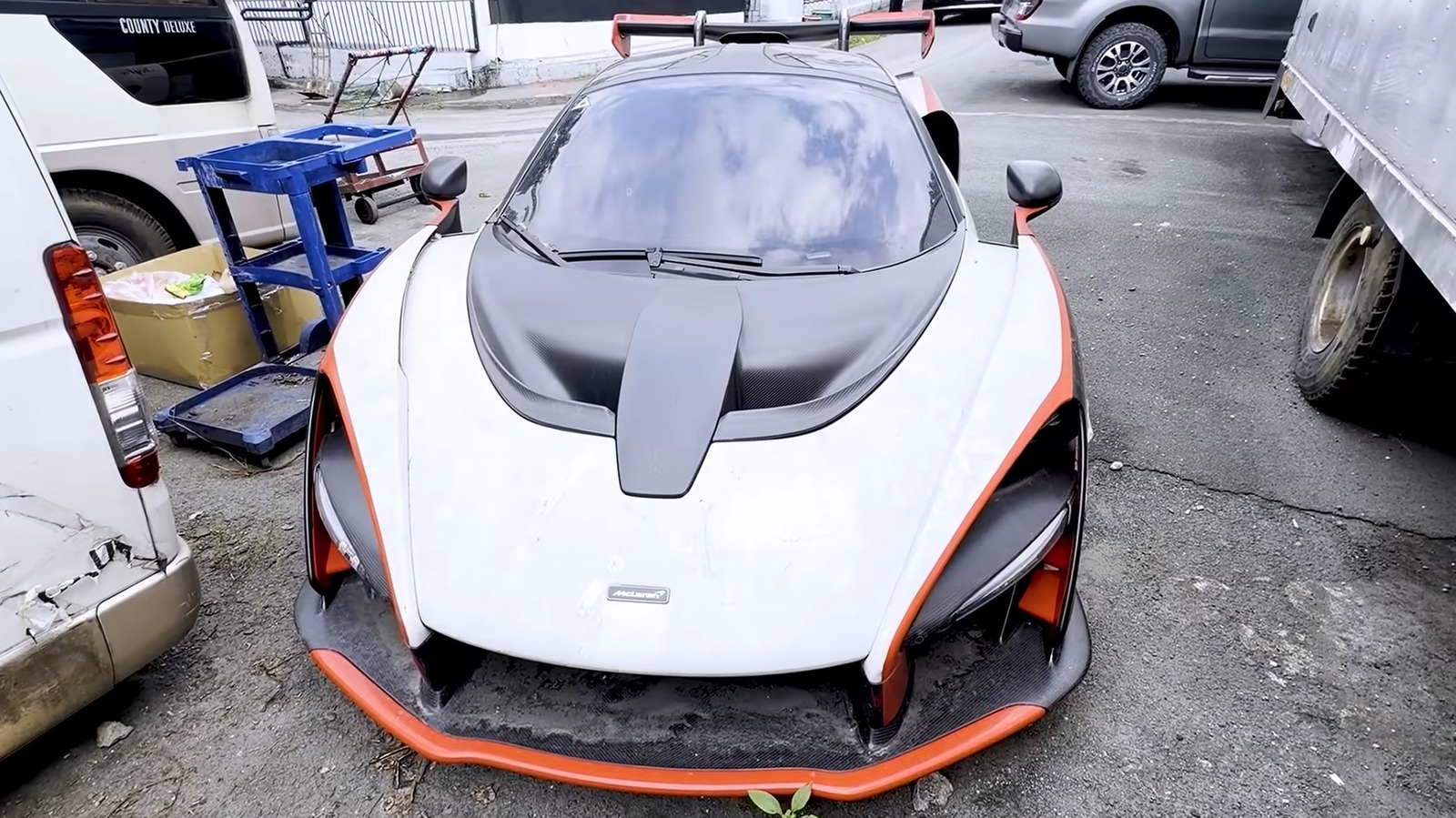
Manila customs authorities are still holding two seized hypercars — a McLaren Senna and a Ferrari LaFerrari — roughly two years after the vehicles came into their custody, and the pair, valued at close to $10 million combined, has yet to find a buyer. The obstacle is not a lack of interest in ultra-rare machinery. It is the legal and administrative tangle that surrounds seized exotic vehicles, from pending ownership claims and court proceedings to the conditions under which a customs auction can legally proceed.
Both cars belong to the rarest tier of the market. The LaFerrari was Ferrari's first hybrid-assisted flagship, built in strictly limited numbers and offered only to selected existing clients when new. The Senna sits in McLaren's Ultimate Series, a road-legal machine engineered around track performance rather than comfort. Cars like these rarely trade on open listings, so any example that reaches the market draws attention far beyond its home country.

For Saudi buyers, the obvious comparisons are the Bugatti Chiron, Lamborghini's Aventador and its hybrid successor, the Porsche 918 Spyder, the Ferrari SF90 Stradale and the Aston Martin Valkyrie — all cars that circulate among collectors in Riyadh, Jeddah and the wider Gulf. Regional appetite for limited-run hypercars is strong, and low-mileage examples with clean history command serious money.
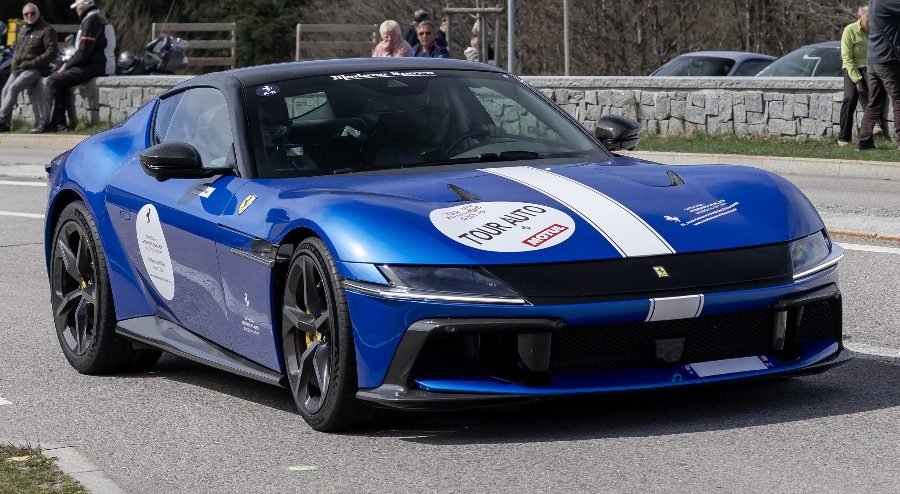
That is exactly why provenance matters more than the badge. A seized car can carry unresolved title issues, customs duty exposure and gaps in its service record, and neither the Senna nor the LaFerrari is cheap to keep healthy. The Ferrari's hybrid system and the McLaren's bespoke components both need specialist attention,


Comments (0)
No comments yet. Be the first to comment.