
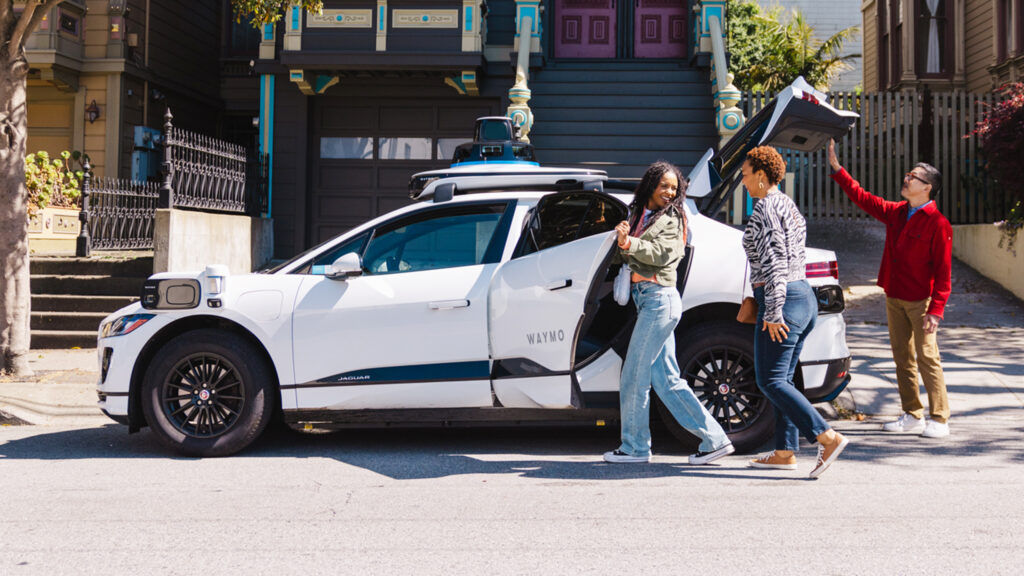
Waymo has released data suggesting its autonomous vehicles are involved in serious crashes at a rate roughly 16 times lower than human-driven cars, a bold safety claim that arrives as autonomous taxis prepare to debut in Munich. However, the first robotaxi service set for the Bavarian capital will not truly drive itself. Passengers hailing these cars will apparently be riding in vehicles that still rely on human oversight, while riders willing to pay for the experience will have to wait until the end of 2027 before the service opens to the public.
This distinction matters because the word "autonomous" is increasingly used loosely across the industry. In Munich, the initial rollout appears to be more of a supervised trial, with safety operators or remote assistance playing a central role in the driving task. The delay until 2027 suggests that the technology, while progressing, is still far from ironclad. German regulators are taking a cautious path, preferring to validate every layer of the system before allowing a driverless, fare-paying service into dense city traffic.
For Saudi Arabian car buyers, this news provides a useful reference point for what is realistic in the premium and electric segments. While robotaxis are a future plan, Saudi showrooms currently offer a range of tech-laden vehicles, from American EVs with advanced driver assistance systems to European and increasingly Chinese models that promote automated parking, lane keeping, and highway cruising. These systems are not full autonomy, but they are the closest thing buyers can access today.
The key item for Saudi shoppers to watch is the distinction between driver assistance and actual self-driving capability. Many brands advertise "autopilot" or "self-driving" features that still require constant attention and driver intervention. Waymo’s safety statistics, for example, are based on purpose-built sensors, extensive mapping, and years of testing in specific US cities — none of which transfer directly to the driving conditions in Riyadh or Jeddah, where road markings, weather, and driving behavior differ significantly.
In the end, Munich’s half-step toward robotaxis serves as a reminder that full autonomy remains a journey rather than a sudden revolution. Saudi buyers evaluating advanced vehicles should focus on practical assistance features that genuinely reduce driver fatigue on long desert highways, while remaining skeptical of any brand that promises to do all the thinking for you. The future is coming, but for

Comments (0)
No comments yet. Be the first to comment.