
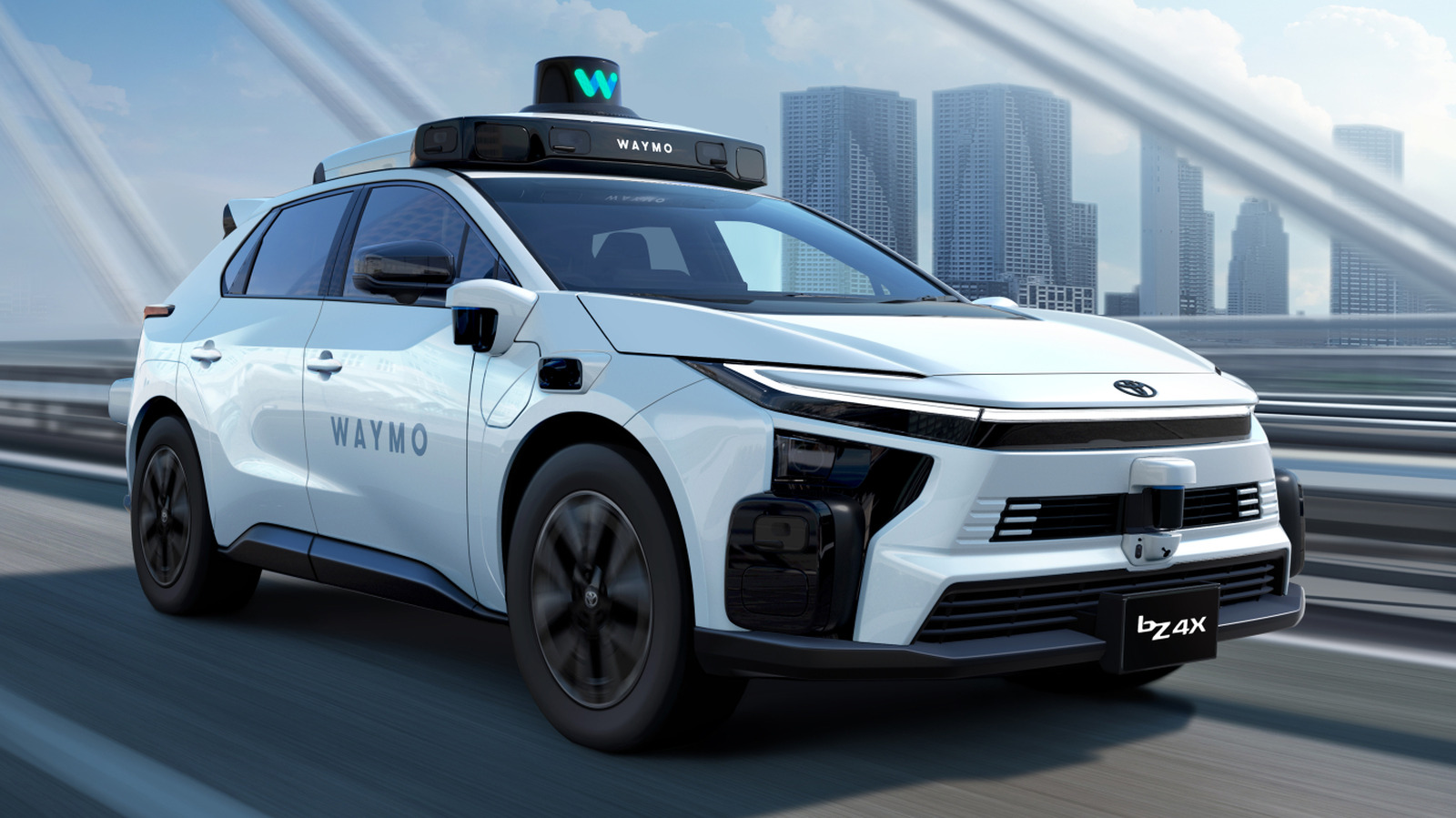
Waymo's next autonomous taxi will be a Toyota. The two companies have confirmed that Toyota's bZ electric crossover — sold in many markets as the bZ4X — will serve as the platform for future Waymo vehicles built at the factory rather than converted after the fact. In practice, that means the self-driving hardware is designed into the car from the start, instead of being bolted onto a standard production model later.
The shift matters because robotaxi fleets have mostly relied on modified retail vehicles. Building the sensors, wiring and computing architecture into the assembly line is a cleaner engineering approach and usually makes maintenance and calibration easier across a large fleet. For Toyota, it also gives its electric crossover a high-profile role in autonomous mobility, an area where the brand has moved more cautiously than some rivals.
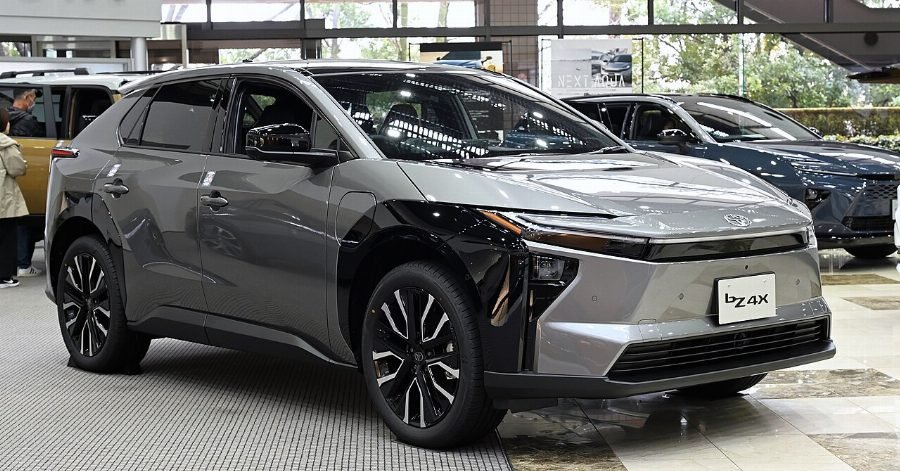
For Saudi shoppers, the connection is mostly indirect. The bZ is a mid-size electric crossover that competes with models such as the Tesla Model Y, Hyundai Iona 5, Kia EV6 and Nissan Ariya — all of which are available or increasingly visible in the Kingdom. Toyota's offering has generally been positioned as a mainstream, comfort-oriented option rather than a performance or tech flagship, which suits family use and long commutes.

Drivers in Saudi Arabia should not expect a self-driving Toyota on the showroom floor any time soon. Waymo's vehicles are tied to geofenced service areas and extensive mapping, and nothing announced so far points to consumer sales of the driverless version. Local regulations for highly automated driving are also still developing.
What buyers should watch is the trickle-down effect. Factory-built autonomous platforms tend to accelerate investment in electric architectures, battery supply and software — areas where Toyota has been catching up. Any of that could shape the next generation of the bZ line, and with it the choices available to Saudi electric-car buyers over the coming years.

Comments (0)
No comments yet. Be the first to comment.