
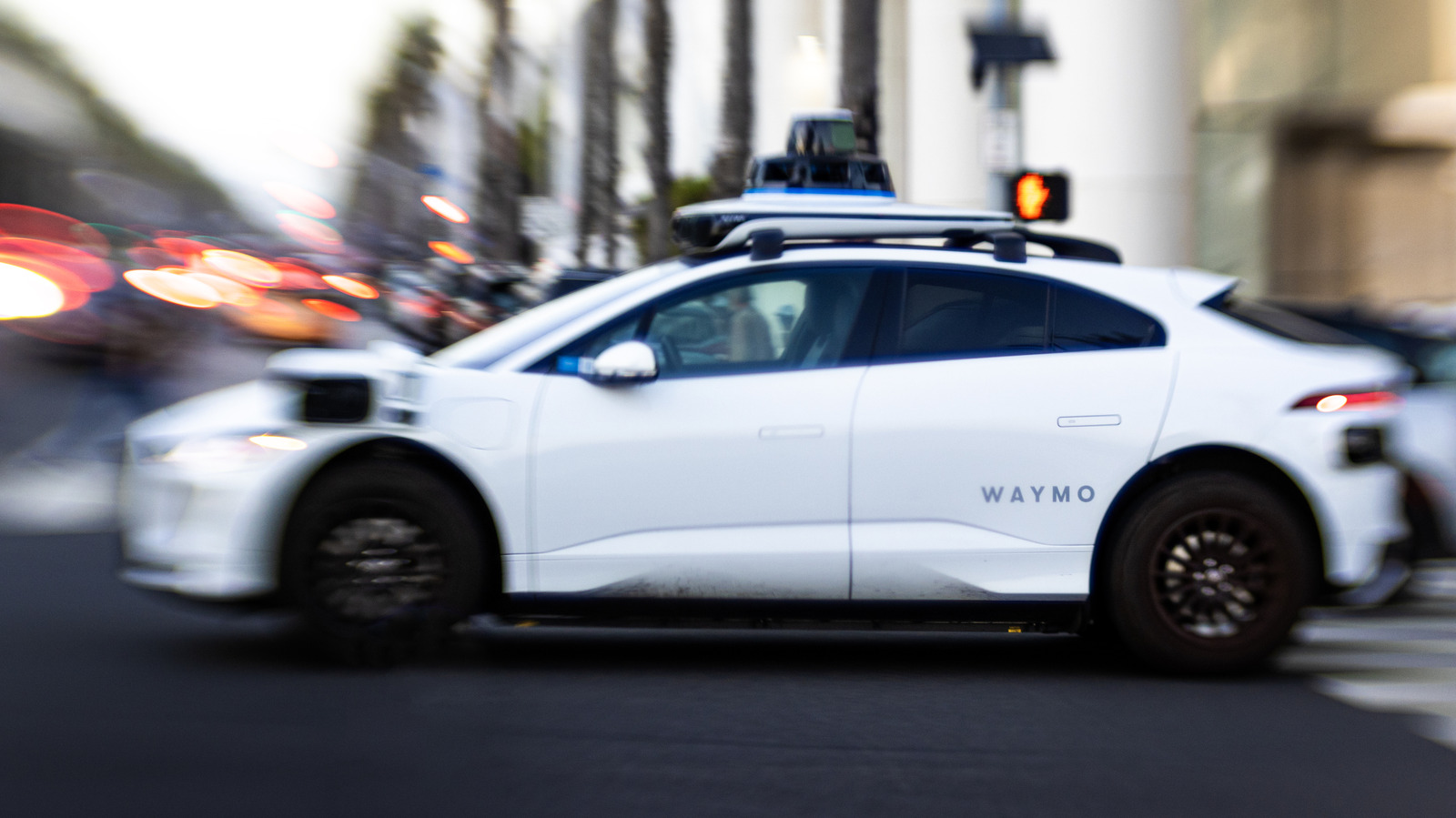
Waymo has paused all freeway operations in the United States after its robotaxis ran into difficulty handling construction zones and emergency vehicles. The company’s highway ride-hailing service is on hold while it addresses those shortcomings, marking a notable step back for the most visible player in the autonomous-taxi business.
The pause matters because freeway driving exposes weaknesses that are easier to manage on slower city streets. Construction layouts can change overnight, and emergency vehicles often require quick, unconventional responses from surrounding traffic. Waymo’s decision suggests its systems are not yet reliable enough in those high-speed, unpredictable situations, even as it continues to position itself as a leader in the robotaxi segment.
For Saudi buyers, the immediate effect is indirect: Waymo does not operate a public robotaxi service in the Kingdom, so no local rides are affected. The bigger signal is about how quickly fully driverless technology is maturing. Saudi Arabia is investing heavily in smart mobility and autonomous-vehicle testing, and several carmakers sold locally market increasingly advanced driver-assistance systems. Rivals in the broader autonomy race include Tesla, Chinese robotaxi developers and other global technology firms, though their offerings and availability vary widely.
Shoppers should not confuse a robotaxi setback with the assisted-driving features found on new cars. Most systems sold in Saudi Arabia today still require a fully attentive driver, and their ability to handle construction zones or make way for ambulances can vary significantly. Buyers should ask whether a feature is supervised or fully autonomous, how



Comments (0)
No comments yet. Be the first to comment.