
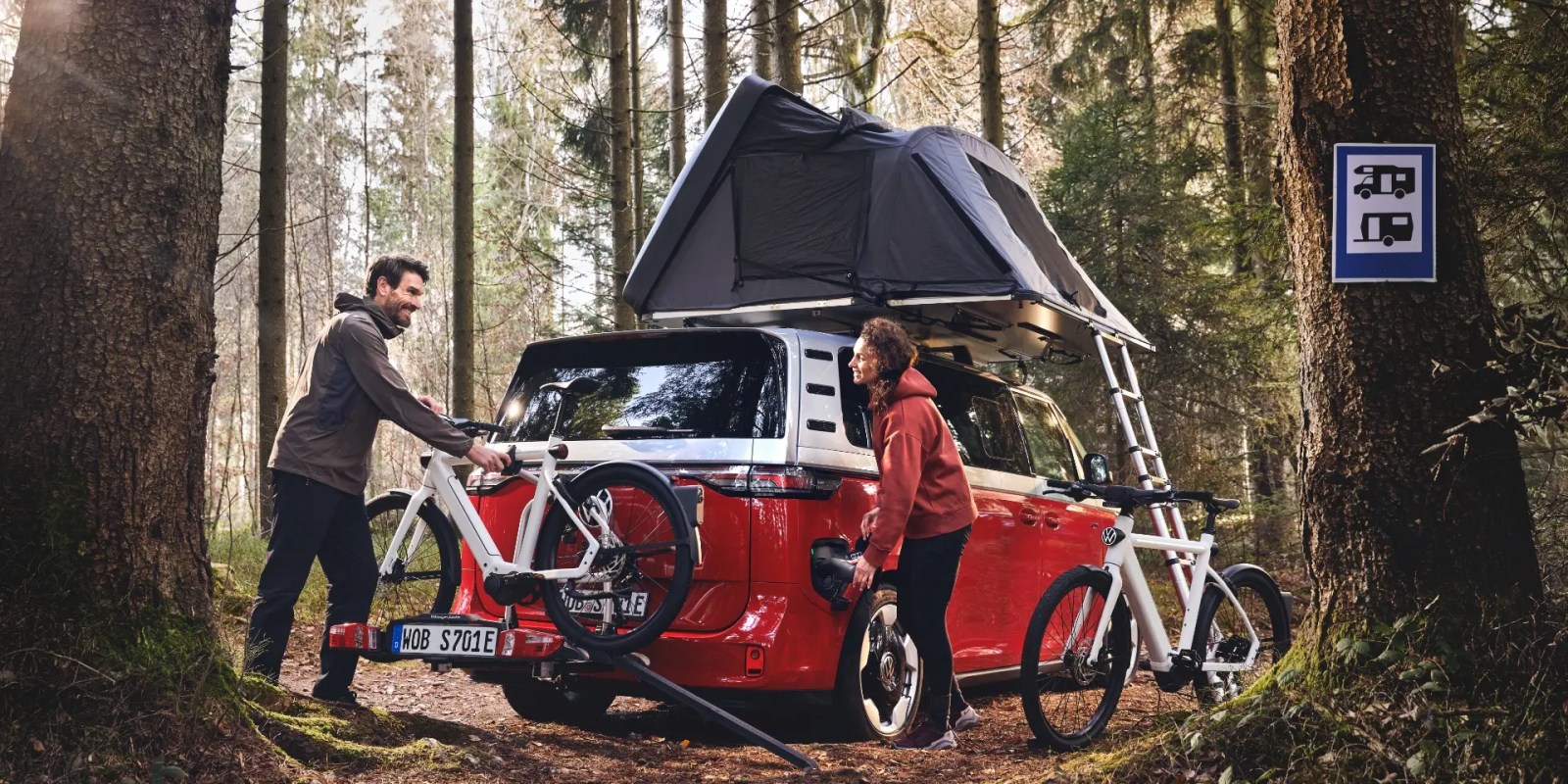
Volkswagen is taking its safety-first engineering philosophy from the road to the cycle path with a new range of premium electric bicycles. Developed under license by Swiss e-bike specialist n+, the lineup steps away from the typical focus on raw power or range. Instead, Volkswagen is equipping these bikes with automotive-grade safety technology, including radar sensors, integrated cameras, and even augmented-reality glasses that project a head-up display for the rider. It is a move that positions the e-bike as a serious mobility tool rather than just a weekend toy, and it reflects growing demand for connected, intelligent two-wheelers in urban environments.
For Saudi buyers, this launch arrives at an interesting time. The Kingdom’s push toward healthier lifestyles and micromobility—visible in dedicated cycling tracks in cities like Riyadh and Jeddah—means premium e-bikes are finding a steady audience. Volkswagen’s new models will slot into the high-end segment, competing directly with brands like Stromer, Riese & Müller, and the tech-forward Cowboy and VanMoof offerings. These are not cheap commuter bikes; they are designed for riders who value integration with digital ecosystems and advanced rider-assistance features, much like they would in a modern car.

What makes these e-bikes stand out in a crowded market is their focus on situational awareness. The radar system can detect vehicles approaching from behind, while the cameras and HUD glasses keep the rider’s eyes on the road ahead. This is a direct transfer of Volkswagen’s automotive safety philosophy—lane-keeping assist and blind-spot warnings, reimagined for two wheels. Riders in Saudi Arabia, where cycling often shares space with fast-moving traffic, may find these features particularly reassuring.

Shoppers should keep a few things in mind before ordering. First, the licensing model means Volkswagen does not manufacture these bikes itself; n+ handles production and engineering. While that ensures specialist know-how, it can affect service and warranty support in the region. Second, the price point will likely be steep—comparable to a mid-range scooter or a down payment on a used car. Finally, connectivity features like the HUD glasses rely on software that may require updates over time, so buyers should check local digital infrastructure and availability of authorized service centers.
Ultimately, Volkswagen’s move shows that the line between automotive and micromobility is blurring. For Saudi consumers who already appreciate the brand’s safety reputation in cars, these e-bikes offer a familiar promise—protection and intelligence—but in a package that fits the Kingdom’s expanding cycling landscape. Whether they will catch on as quickly as their four-wheeled siblings remains to be seen, but the technology is certainly turning heads.




Comments (0)
No comments yet. Be the first to comment.