
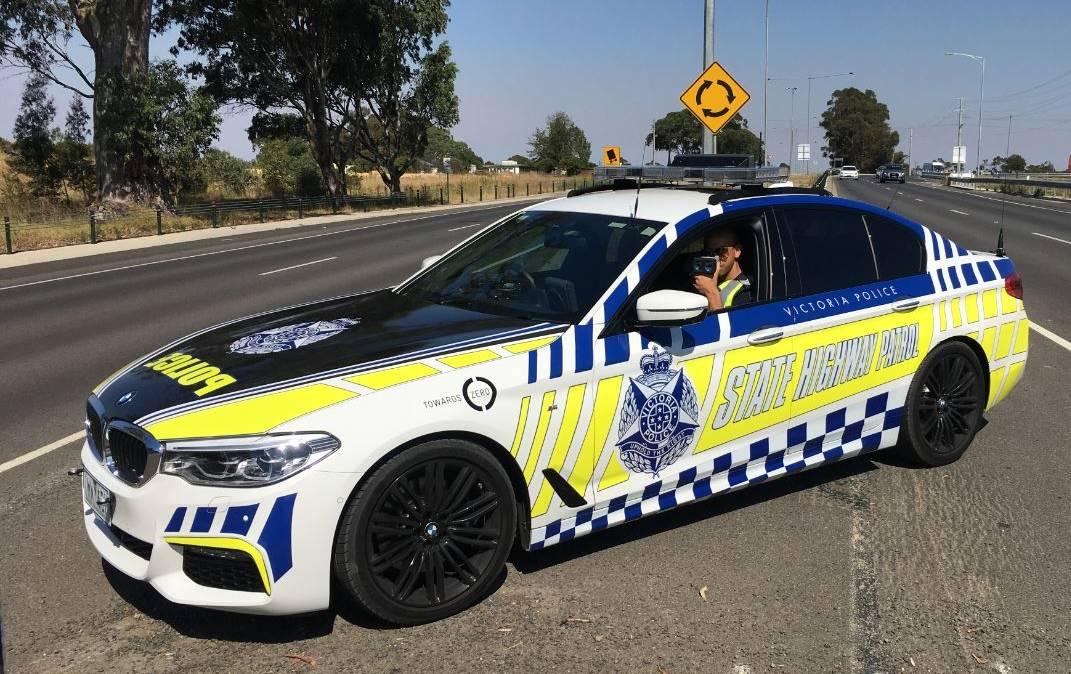
Victorian voters head to the polls tomorrow, and motoring has become one of the defining themes of the campaign. Roads, driving costs and transport spending feature prominently among the pledges put forward by the major parties, making the result a closely watched test of how voters weigh car-related policy against other priorities.
For Australian drivers, elections at state level matter more than many realise. State governments shape the things motorists deal with daily: the condition of the road network, the rules around licensing and registration, and the incentives that can influence which vehicles households choose. When parties compete on motoring promises, the practical effect is usually felt over years rather than weeks, through budgets and infrastructure programmes rather than a single announcement.
The contest is also being followed outside Australia as a case study in how governments balance strained road budgets against the cost pressures facing drivers. Debate of this kind — over maintenance, new projects and the charges attached to owning a car — is playing out in many markets, and the Victorian result will be read as a signal of what voters are willing to accept.
For Saudi buyers, none of this changes anything locally: registration fees, fuel prices and road investment in the Kingdom follow their own national direction. What the election does illustrate is that the cost of running a car is never purely a product decision. Taxes, fees, charging infrastructure and road quality all sit on the policy side of the ledger.
Shoppers comparing models should therefore look past the sticker figure and think about total ownership: servicing, parts availability, insurance and resale. Those factors tend to matter far more over several years than any single campaign promise made on the eve of a vote.


Comments (0)
No comments yet. Be the first to comment.