
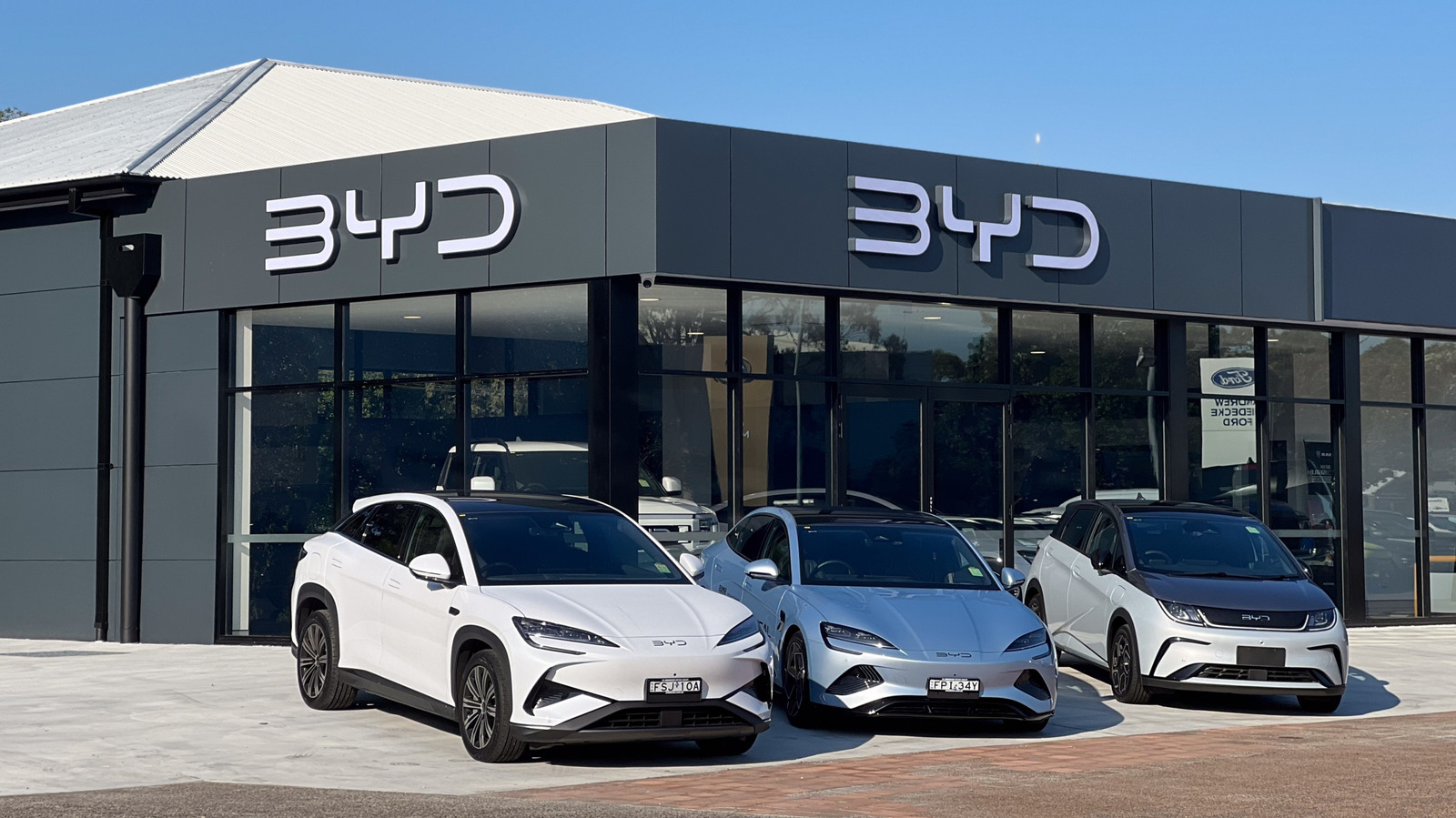
American carmakers are continuing to press regulators and lawmakers in Washington to close the door on Chinese-built vehicles, arguing that allowing them free access to the U.S. market would put the domestic industry at risk. The push is not new, but it has persisted even as Chinese manufacturers expand aggressively into other regions. The core of the argument, stripped down, is competitiveness: vehicles built in China tend to reach buyers at lower prices, and in several cases they now pack technology and features that match or exceed what established American models offer at a similar point in the market. Rather than meeting that challenge head-on, the U.S. industry is asking for protection.
For Saudi shoppers, the debate matters less as a trade dispute than as a signal about where the global car business is heading. Chinese brands have already established a real presence in the Kingdom, with names such as Geely, Changan, Chery, MG, Haval and BYD competing across everything from budget sedans to family SUVs and electric models. Their pitch to Saudi buyers is much the same as it is everywhere: more equipment and space for the money, plus fast-moving design and cabin technology.
That puts them directly against the Japanese and Korean mainstays that have long dominated Saudi showrooms, including Toyota, Hyundai, Kia and Nissan, along with value-focused offerings from other Asian makers. The result is a market where buyers can compare a well-known badge against a newer one at a similar price point — a choice that simply did not exist a few years ago.
What should shoppers watch for? Start with the dealer network and how easy it is to get parts and servicing outside the big cities. Ask about warranty terms and how long they run, and check whether software and infotainment updates are handled locally. Resale value is the other big unknown, since newer brands have a shorter track record in the Saudi used market than the long-established players.
None of that is a reason to avoid Chinese cars outright — but it is a reason to compare carefully rather than buying on price and equipment alone.



Comments (0)
No comments yet. Be the first to comment.