
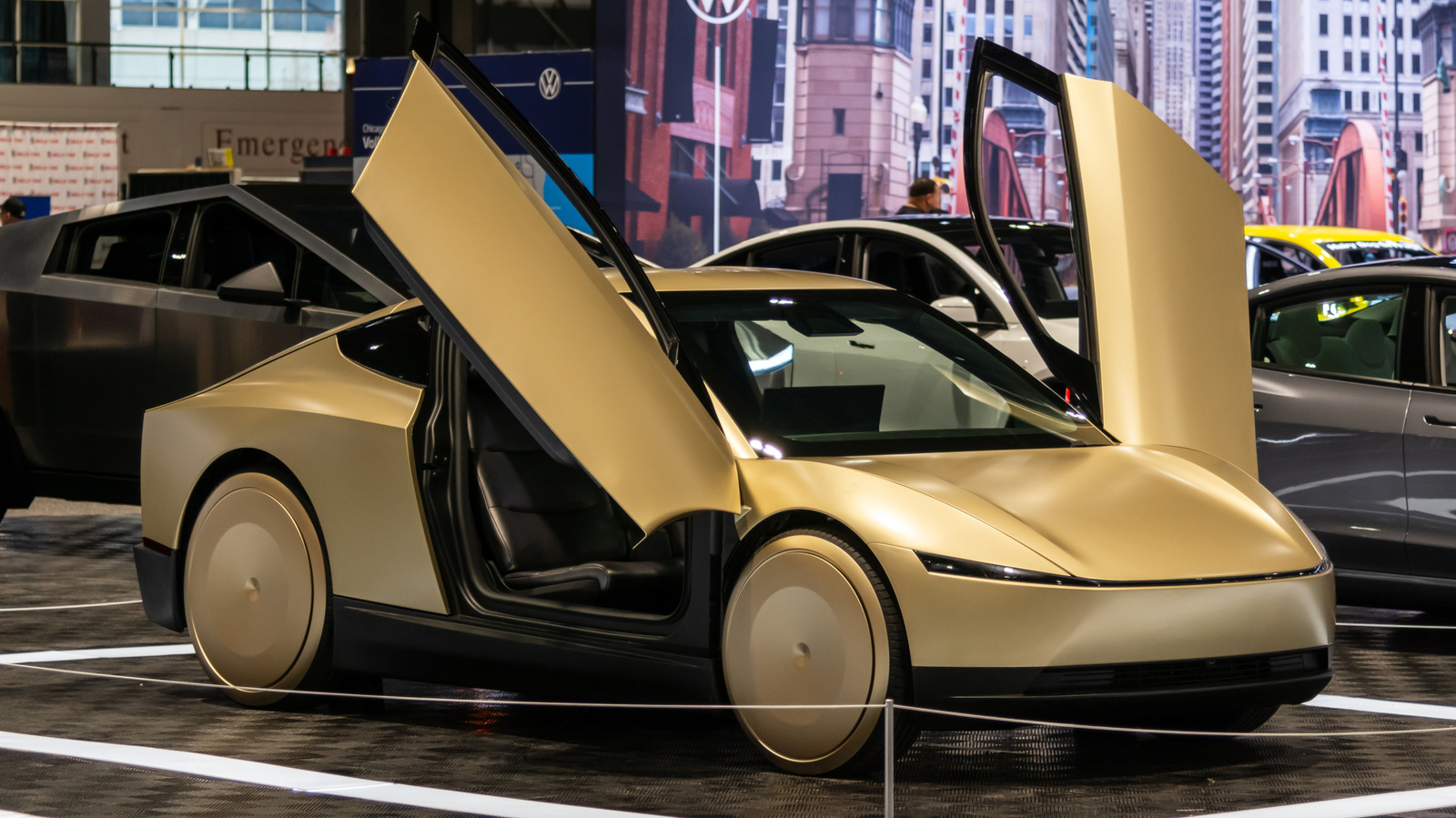
Tesla says its Cybercab complies with U.S. federal motor vehicle safety standards, but the company is asking to keep the document that makes its case out of public view. The claim came in a filing responding to 21 questions posed by the National Highway Traffic Safety Administration, the American regulator that oversees vehicle safety rules. Tesla answered each one, then moved to have the reply shielded from release.
That unusual combination — a public assurance paired with a private explanation — is what makes the filing notable. The Cybercab is designed without a steering wheel or pedals, so the questions regulators raised are unlikely to be routine. They would touch on how a vehicle with no human controls protects its occupants in a crash, how it behaves when systems fail, and how emergency services are meant to interact with it. Tesla's assertion that it meets the standards is a statement of its own position, not a regulatory finding, and until the answers are visible, outsiders cannot test it.

In market terms, the Cybercab does not sit in a conventional showroom segment. It belongs to the small but growing category of purpose-built autonomous ride-hailing vehicles, where the competition is less about badge and horsepower than about proving safety to authorities. Most serious players in that space have leaned on detailed public safety reporting and heavy sensor suites to win approval, which puts Tesla's more guarded approach in contrast.
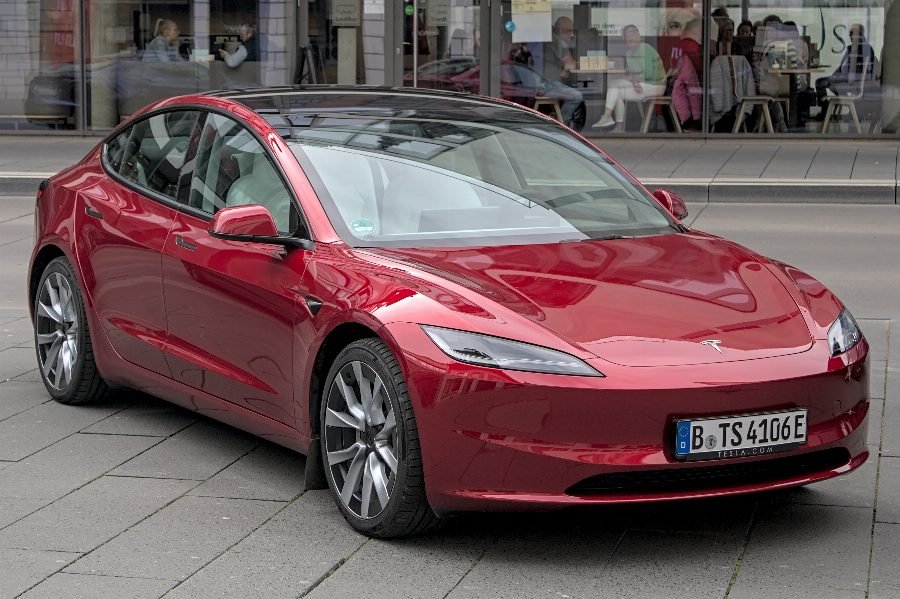
For Saudi buyers, none of this changes anything on the showroom floor today. Tesla's retail line-up in the Kingdom consists of conventional models, and the Cybercab is not offered for sale here. The Kingdom is still building out its framework for autonomous transport, and any driverless service would need local approval long before it carried passengers. Ride-hailing in Saudi cities remains firmly in the hands of human-driven apps.
The practical lesson for shoppers is to separate a manufacturer's confidence from a regulator's sign-off. When a company says a vehicle meets safety standards but resists publishing the reasoning, buyers and fleet operators should wait for the documented approval rather than the press line. For now, the Cybercab story is one to follow rather than act on.



Comments (0)
No comments yet. Be the first to comment.