
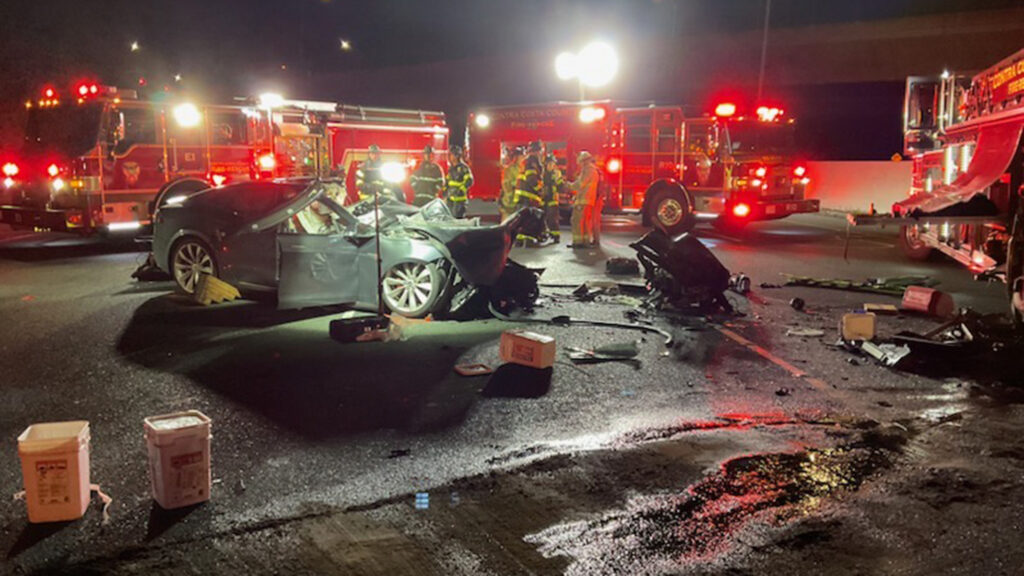
Tesla has reached an out-of-court settlement in a lawsuit stemming from a fatal crash involving a fire truck, a move that prevents a jury from weighing in on the role of the company’s Autopilot system in the accident. The case had centered on two competing questions: whether the technology itself failed to detect a fire truck on the road, or whether the driver was insufficiently attentive to the task at hand. With the settlement, those questions will remain unresolved in the public record.
The exact details of the agreement were not disclosed, and neither side has publicly elaborated on why the case was resolved before trial. Legal observers note that such settlements often allow automakers to avoid potentially damaging testimony and internal documents being shared in open court. For consumers, however, the absence of a verdict leaves lingering uncertainty about how far driver-assist responsibility actually extends under the law.

For Saudi buyers, this development offers a useful moment to put Tesla’s lineup in context. The brand operates in the upper echelon of the electric vehicle segment in the Kingdom, competing with luxury names that combine performance with a technological edge. Among the likely rivals available locally are the Lucid Air, which shares Nevada roots with Tesla, and high-end electric offerings from European manufacturers such as BMW, Audi, and Mercedes-Benz, all of which are increasingly targeting the same tech-conscious customer.
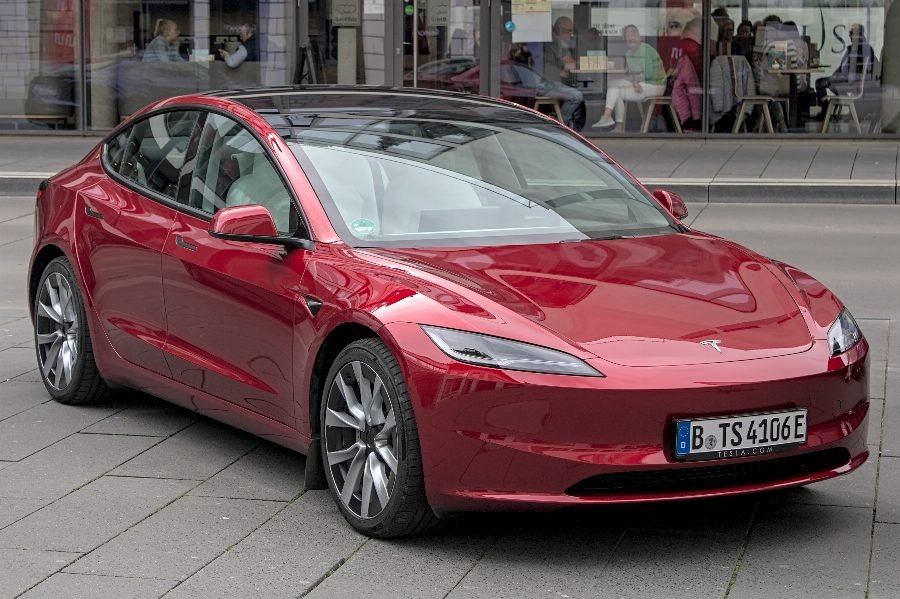
What shoppers should watch for is the fine print behind names like Autopilot. While these systems can control steering and speed in certain conditions, they are not fully autonomous and still require the driver to monitor the road continuously. A settlement in one case does not settle the broader debate about how much attention drivers owe to their vehicles, and anyone considering a Tesla or a competitor should test how clearly the system communicates its own limitations.


Comments (0)
No comments yet. Be the first to comment.