
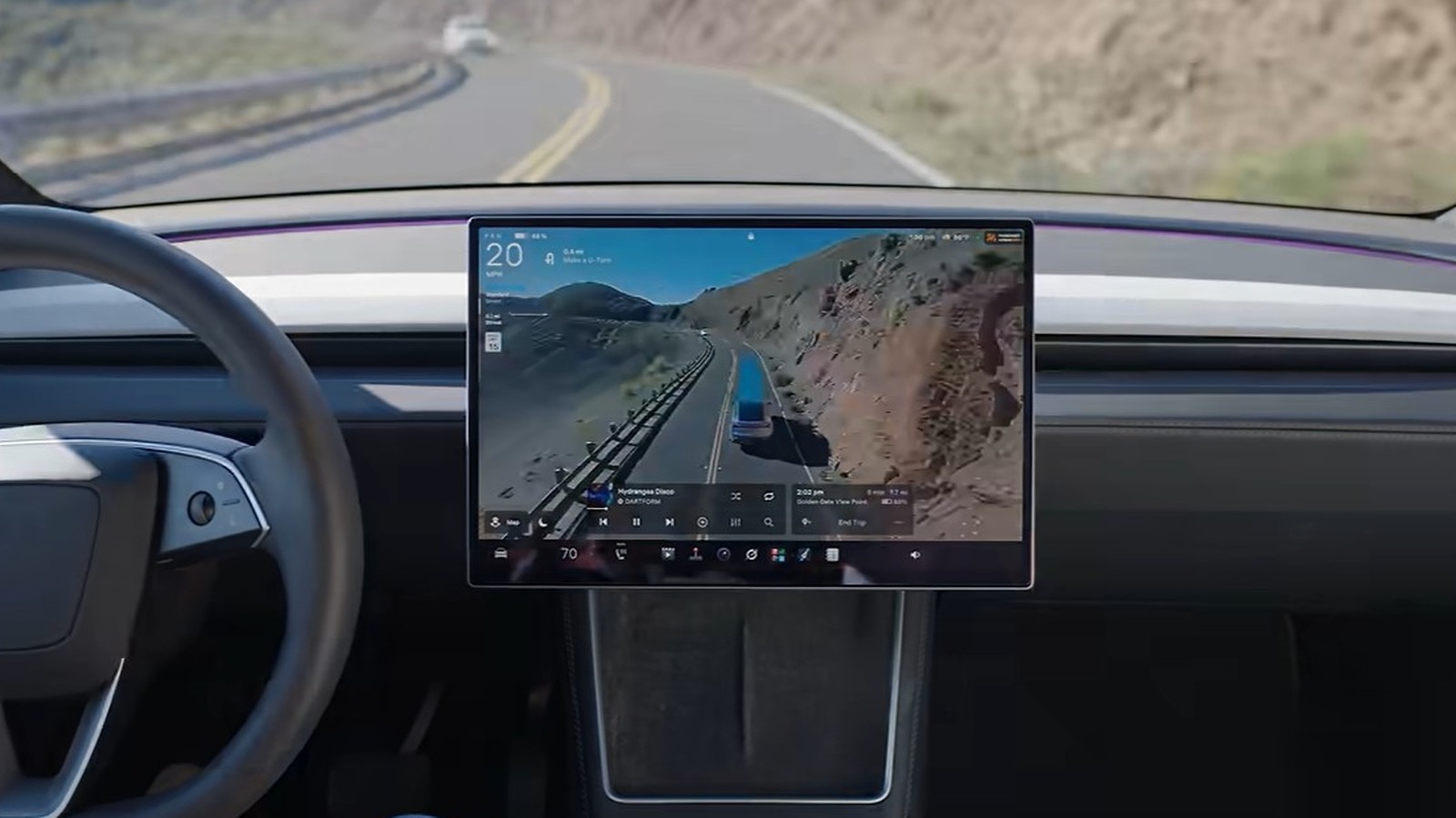
Tesla has released version 15 of its Full Self-Driving software, and the most eye-catching change has little to do with the car's behaviour on the road. The update introduces on-screen vehicle renderings that look strikingly similar to a modern video game, with the central display painting the surrounding world in far richer detail than before.
The idea is straightforward: the screen shows what the car's cameras and software believe is happening around it — other vehicles, lane markings, kerbs and pedestrians — in a cleaner, more graphical style. Tesla is clearly betting that a more polished visualisation helps drivers understand and trust what the system is doing. It is worth remembering, though, that attractive graphics are a presentation layer, not a measure of capability. How the system actually behaves in traffic is what counts.

For Saudi buyers, the timing matters. Tesla has been building its presence in the Kingdom, and its cars are increasingly cross-shopped against the Lucid Air — built with heavyweight Saudi backing — as well as premium electric offerings from Mercedes-Benz, BMW and Porsche, and a growing wave of Chinese brands such as BYD. Most of these rivals market their own advanced driver-assistance suites, so software updates like this are becoming a genuine part of the showroom argument.
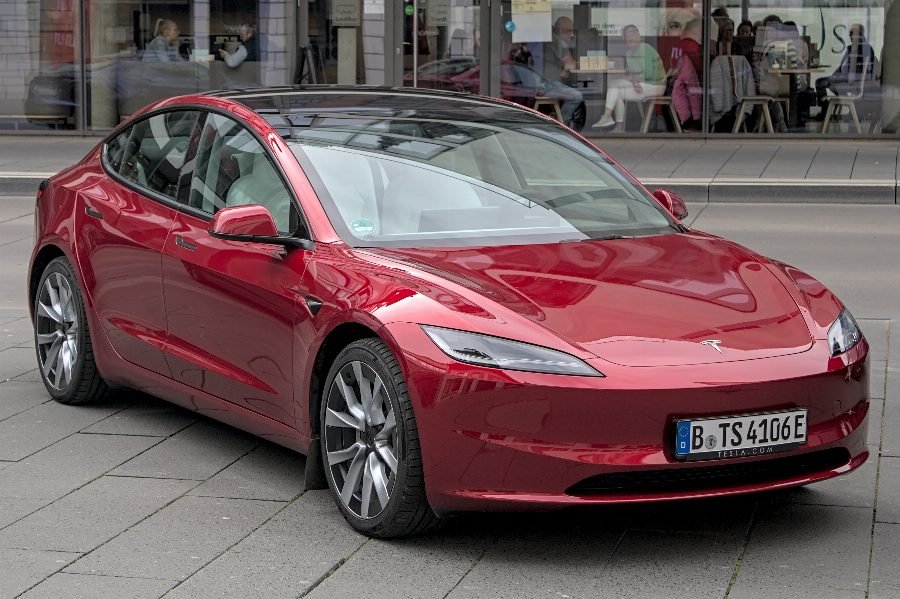
Shoppers should still ask practical questions. Is Full Self-Driving actually enabled and approved for use on Saudi roads, or is only the basic assisted-driving package available? Does the car in question carry the hardware needed to run the latest software? Is the feature a one-off purchase or an ongoing subscription?
It is also worth checking how the camera-based system copes with local conditions — strong sun, dust and heat — and how clearly it reads road markings. And whatever the screen shows, the driver stays responsible at all times.
Comments (0)
No comments yet. Be the first to comment.