
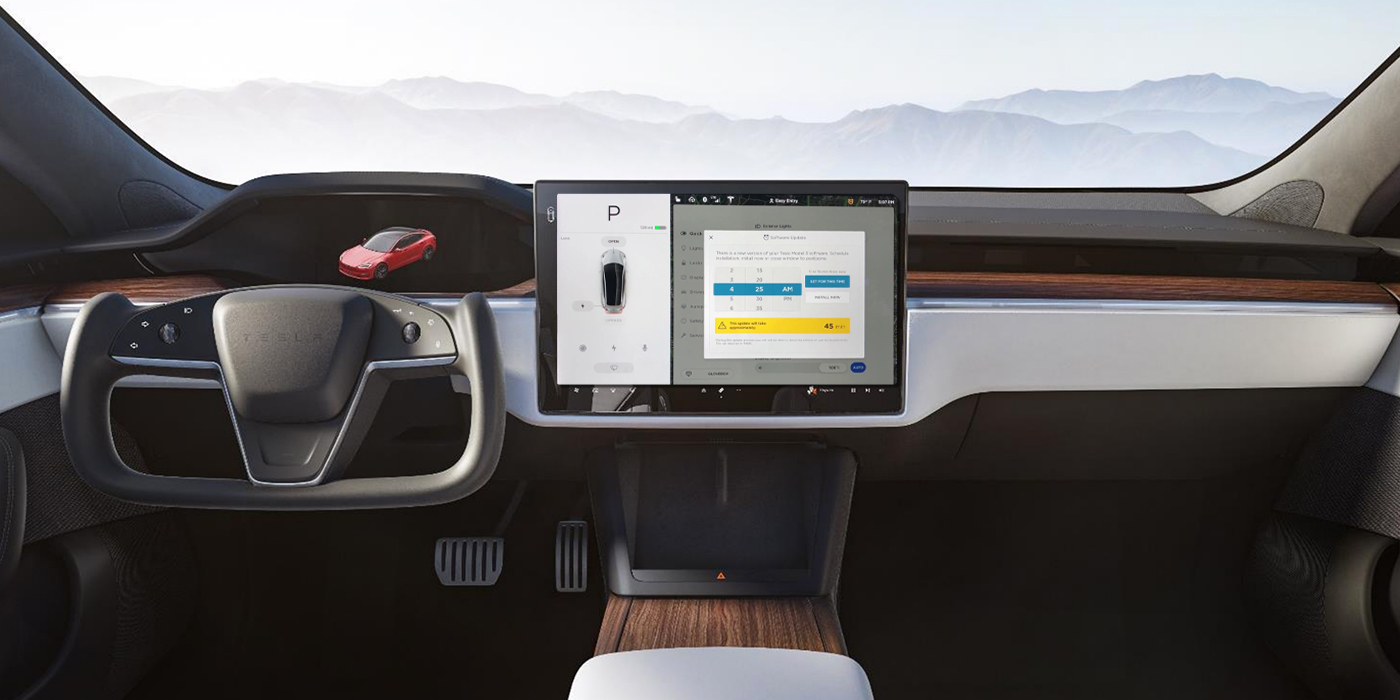
Tesla says it is building its own map data to address some of the most persistent weaknesses in its Full Self-Driving system, a notable change of direction for a company that spent years arguing that detailed maps were unnecessary. The effort was described by Tesla's head of AI on the company's Q3 2026 earnings call, where he pointed to recurring problems including reading speed limits correctly, handling parking situations and choosing sensible routes.
The admission matters because Tesla has long positioned itself as the map-light alternative in the driver-assistance race. While most automakers and robotaxi developers leaned on highly detailed, pre-surveyed road data, Tesla insisted that cameras and neural networks alone could interpret the road well enough. Building in-house maps signals that the purely vision-first approach has run into practical limits on everyday driving tasks.

For Saudi buyers, the immediate takeaway is that the technology stack behind Tesla's assisted-driving features is still moving. Full Self-Driving is a supervised driver-assistance package rather than a true autonomous system, and its availability, naming and capabilities vary from market to market depending on local regulation and road data.
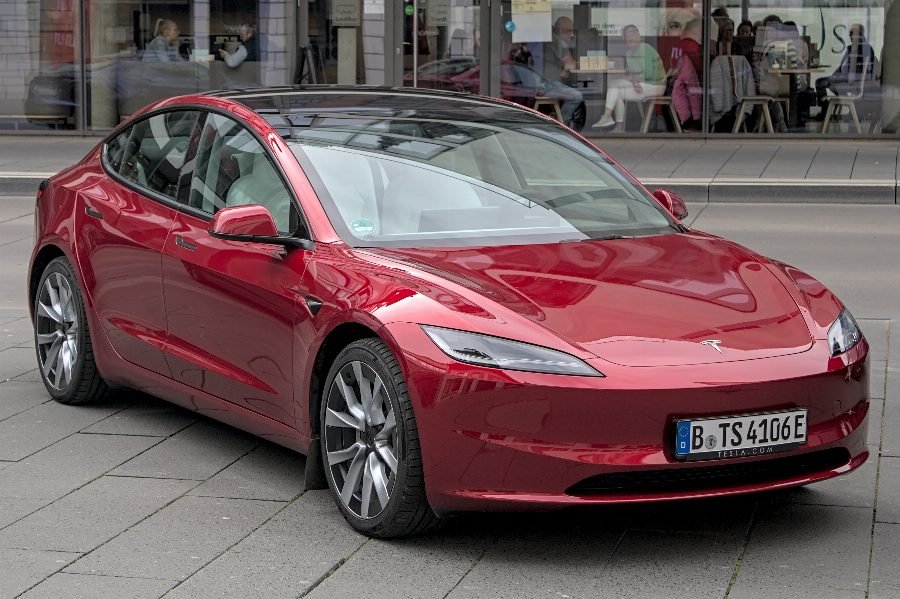
Tesla would be competing in a crowded assisted-driving field in the Kingdom. Chinese brands such as BYD, Xpeng and Zeekr, along with established players like Mercedes-Benz, BMW and Volvo, all market advanced driver-assist features on models sold in Saudi Arabia, and Lucid — backed by the Public Investment Fund — promotes its own assistance suite. Most of these systems rely on a mix of cameras, radar and mapping data rather than vision alone.
Shoppers should treat the announcement as a signal rather than a promise. Before buying, confirm which assistance features are actually enabled in the Saudi market, whether they require a separate subscription, and how well they handle local roads, signage and speed limits. Map coverage of Saudi cities and highways will be central to how well any of this works, and Tesla has not set out a timeline for the region.


Comments (0)
No comments yet. Be the first to comment.