
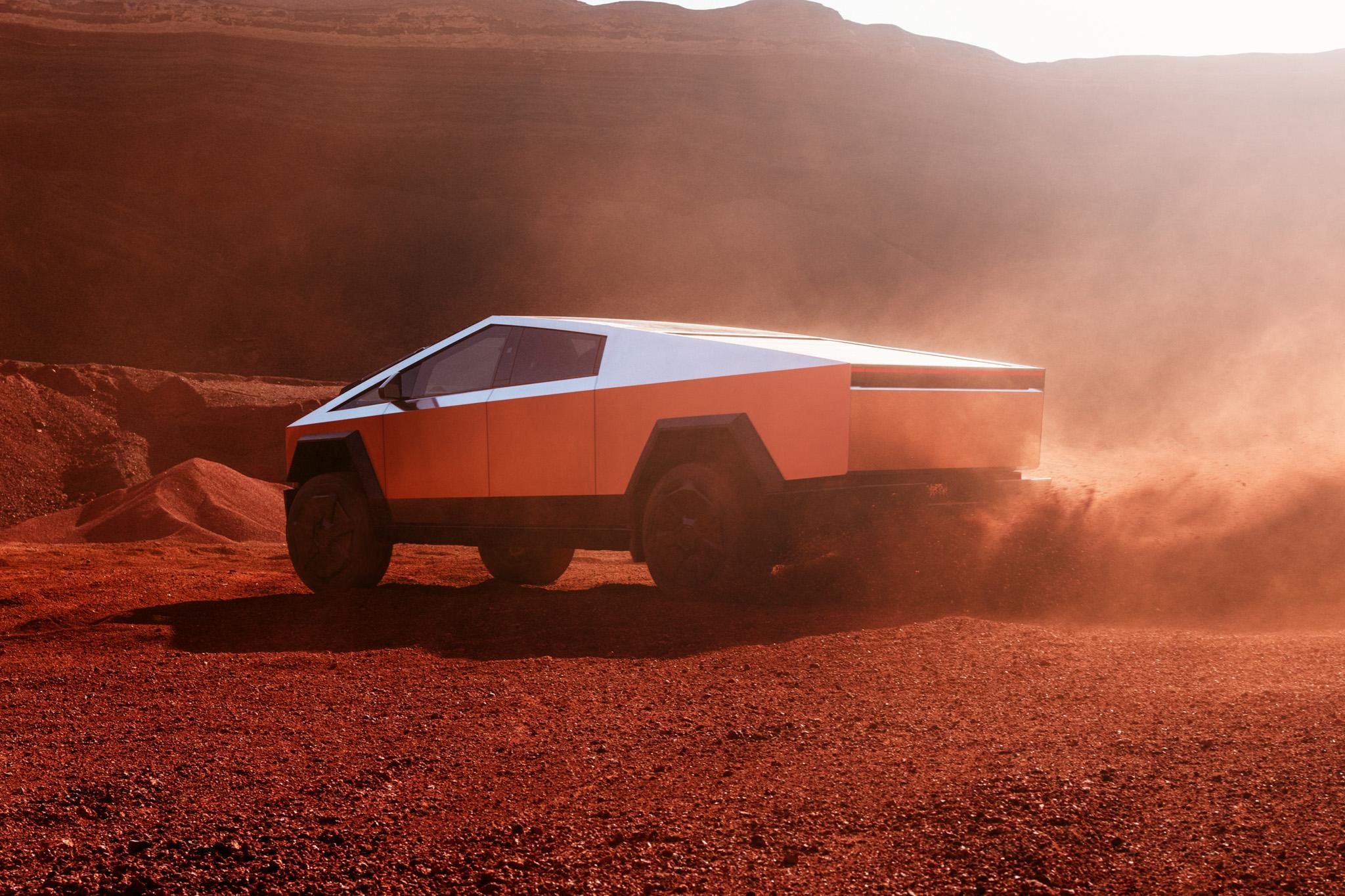
Tesla appears to be preparing to end the road for the Cybertruck, with reports indicating that production of the angular electric pickup will wind down in 2027. The move would close a chapter that began with enormous hype but never translated into the sales momentum Tesla enjoys with its Model Y, which remains one of the strongest sellers in the brand's line-up. The contrast is stark: a mass-market crossover that keeps climbing the charts, and a flagship pickup that looks destined to be filed away as a commercial misstep.
For Saudi shoppers, the decision matters less as a lost purchase option and more as a signal about the electric pickup segment as a whole. The Cybertruck was never a mainstream sight on Gulf roads, and its limited official presence means most buyers here already treat it as a curiosity rather than a realistic daily driver. Its size, stainless-steel bodywork and unconventional design were always going to sit awkwardly beside the full-size pickups that dominate Saudi roads.

The most obvious rivals in the electric and electrified truck space include the Ford F-150 Lightning, the Rivian R1T, the GMC Hummer EV pickup and newer Chinese entrants such as the BYD Shark. Conventional workhorses like the Toyota Hilux, Ford F-150 and Chevrolet Silverado remain the default choice for most buyers, particularly where towing, desert durability and readily available spare parts are priorities.
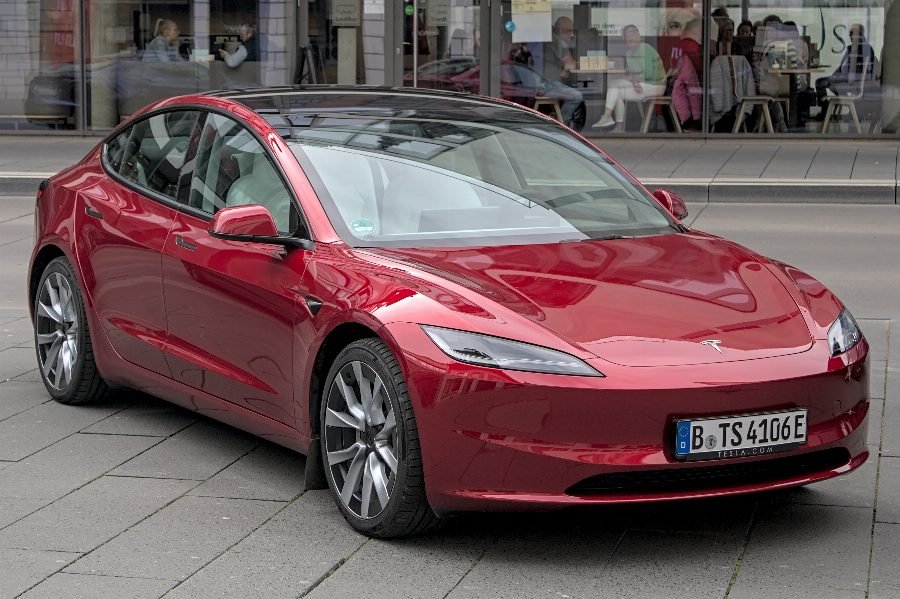
That last point is the one to watch. Anyone tempted by a grey-import Cybertruck should think carefully about long-term parts supply, servicing know-how, software and charging support, and resale value once production stops. A model that leaves the market early can become expensive to keep on the road, even if it turns heads at the traffic light. Shoppers weighing an electric pickup should compare warranty coverage and dealer backing across the segment before committing.




Comments (0)
No comments yet. Be the first to comment.