

Volvo has given the motoring press an early taste of its updated 2028 XC60 and XC90 plug-in hybrids, with journalists driving the pair from Copenhagen across the Øresund bridge into Sweden. The headline takeaway is range: the new models roughly double their electric-only capability to somewhere between 73 and 78 miles, a figure that puts them in rare company outside the Chinese market, where long-range plug-ins have become commonplace.
That matters because it changes what a plug-in hybrid is for. Until now, most PHEVs sold globally offered enough battery power for a short commute, after which the petrol engine took over and the efficiency advantage faded. With this much electric range, the XC60 and XC90 can plausibly cover several days of urban driving without burning fuel at all, provided the owner actually plugs in.

For Saudi buyers, the XC60 and XC90 already sit in familiar territory. The smaller XC60 competes with premium mid-size crossovers such as the BMW X3, Mercedes-Benz GLC, Audi Q5 and Lexus NX, while the XC90 lines up against seven-seat luxury SUVs including the BMW X5, Mercedes-Benz GLE, Audi Q7 and Lexus RX. Plug-in versions of several of those rivals are already available in the Kingdom, so Volvo's extended range would give it a clearer talking point in a crowded segment.
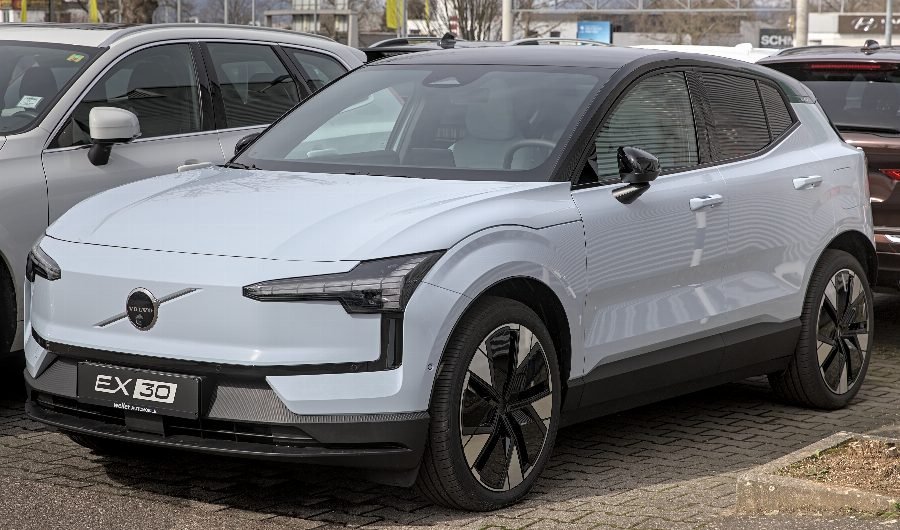
The practical questions for local shoppers are different from those in Europe, however. Saudi Arabia's public charging network is still developing, so most plug-in owners will rely on home charging, and long electric range is only useful if the car is charged regularly. Buyers should also consider how battery performance and electric range hold up in extreme summer heat with air conditioning running hard, and whether the plug-in premium is justified by their daily driving patterns.
Volvo has not confirmed local launch timing or pricing for the updated models, so shoppers comparing premium plug-in SUVs should watch for official announcements before committing.



Comments (0)
No comments yet. Be the first to comment.